






A conversation between: Jim Biddulph & Alicia Storie, AdesignStorie
Alicia Storie is the founder of the multi-award-winning, climate-conscious interior design studio AdesignStorie. She specialises in creating interiors that integrate biophilic principles, support wellbeing, and prioritise sustainable materials. Beyond her studio practice, Alicia is an experienced speaker and workshop host, sharing insights on climate design.
The studio has already developed some impressive traction, having been awarded the Creative Edinburgh Innovation Award in 2023, recognising its innovative approach to sustainable interiors. Alicia has also received the Global Climate Designers Award, been featured in the Dezeen Awards for Sustainable Interior Design, and was selected for the World Design Organisation Young Designer Circle. As a Design Council Expert, she champions the transformative power of design as a tool to engage with the climate crisis and foster change.
I had a chat with her to find out more about her journey, starting with her formative years before setting up the studio.
JB: I’m intrigued to hear about your experiences as a senior designer in London and the journey to setting up your own studio.
AS: I spent four formative years at Penson in London, working on workplace projects. Alongside that, I developed a deep interest in sustainability and materials, which gradually led me to explore those ideas in more depth outside of my day-to-day role. I spent time researching sustainable interior design and natural building methods, and working hands-on with materials like earth, straw, sand, and water. This research shaped how I approached design and ultimately led me to set up ADesignStorie in 2020. The catalyst was a deep motivation to use design as a tool for climate action. Design has enormous influence on how we feel, how we behave, and how resources are used. So I saw design as a tool for positive change.
JB: Were you frustrated by a lacking approach to sustainability, or was it that you saw a way that you could do things better independently? And have there been challenges in starting on this path?
AS: It was really about following my own path and focusing on the areas I’m most passionate about. I wanted to explore sustainability and material innovation in depth, and setting up my own studio allowed me to do this. Any values-led practice comes with challenges, whether it’s educating clients, navigating budgets, or finding innovative suppliers. But those challenges are part of the work and often spark the most interesting solutions.
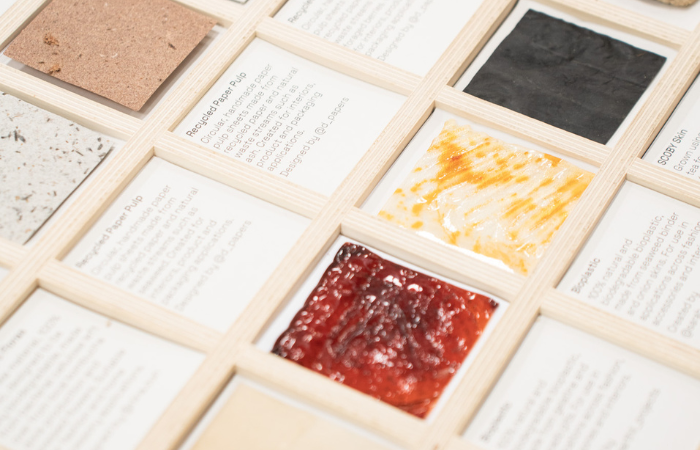
JB: I’m keen to hear more about your ‘eco-conscious principles’ when it comes to design, and I know you describe your work as being both sustainable and biophilic. Can you share some insights into your approach?
AS: At its core, my approach considers human and planetary wellbeing as inseparable. Biophilic design reconnects people with natural systems through light, materiality, texture, and sensory experience, while sustainability ensures those choices are responsible and considered. I look at materials and interiors holistically – how they are sourced, how they age, and how they perform in creating healthy, climate-conscious spaces.
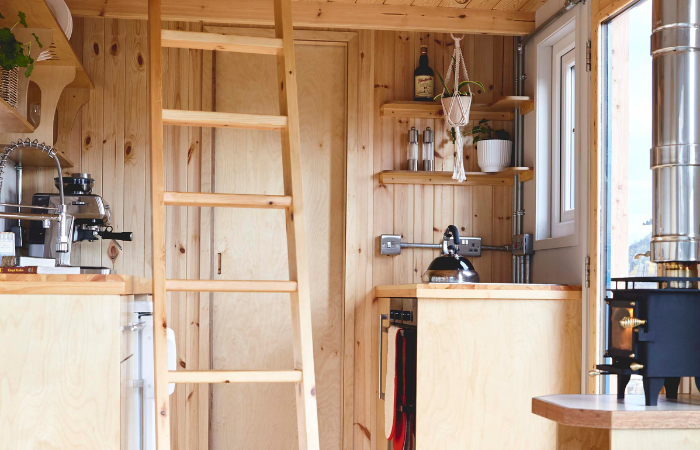
JB: I’m intrigued by your choice to work with small spaces – not least, the Eco Tiny House project – and would love to know more about how material reuse comes into play with such projects.
AS: Tiny homes are a brilliant lens for sustainability – they demand intentionality in every spatial and material decision. They’re also excellent opportunities to apply circular principles, reuse, and low-impact materials. I’m fortunate to work with a client base that is deeply committed to climate. Their engagement allows us to apply sustainable strategies, from material selection to spatial planning, creating interiors that are both responsible and highly functional.
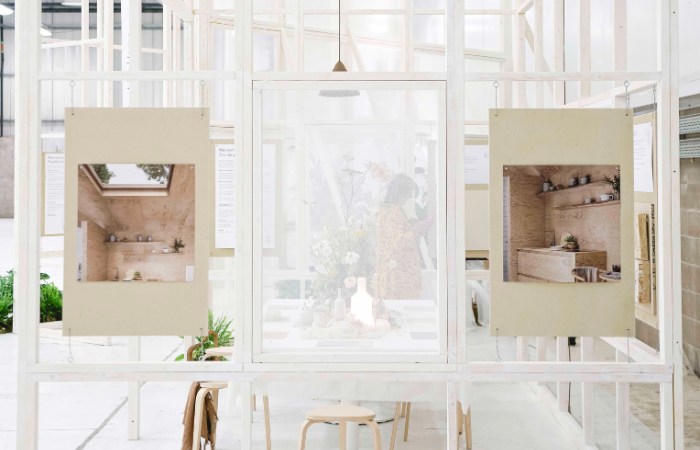
JB: The House of Wellbeing caught my eye at this year’s Dundee Design Festival, and I’d love to hear more about the project.
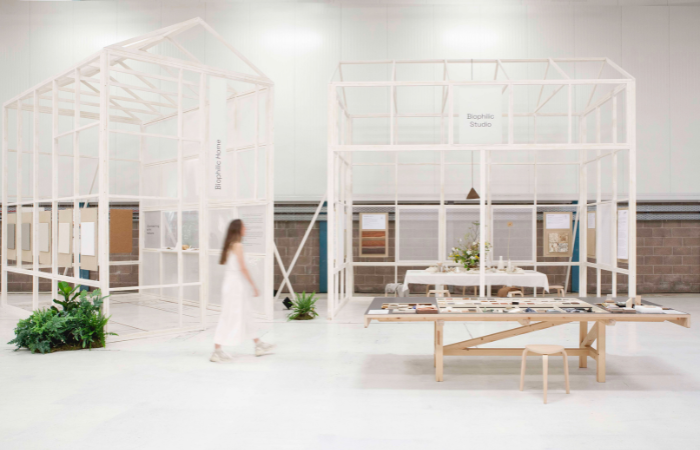
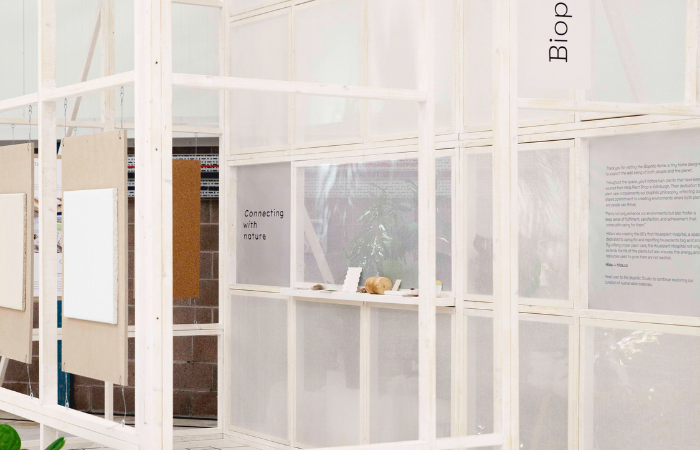
AS: The House of Wellbeing by ADesignStorie is a tiny-home installation exploring sustainable materials and biophilic design. Featuring the Biophilic Home and Biophilic Studio, the project showcased climate-conscious materials including CO₂-absorbing paint, mycelium panels, rammed earth finishes, and lighting made from seaweed and paper waste. Central to the installation was the Future Materials Table, which presented 51 biomaterials, ranging from kombucha leather to oystershell ceramics, inviting visitors to curate their own conscious material palettes. Designed as an immersive, hands-on experience, the project demonstrated how interiors can support wellbeing while contributing to a more regenerative future.
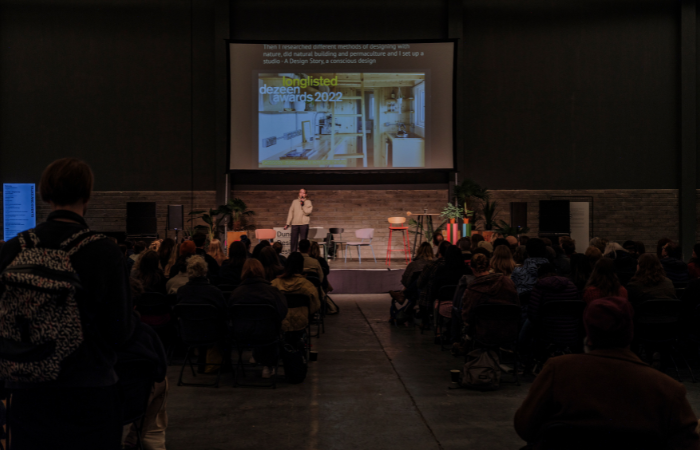
JB: Alongside all this, you’re also a Design Council Expert. What does this role entail?
AS: As a Design Council Expert, I’m part of a national network of design professionals who advise and support the Design Council’s Design for Planet Mission. My role involves sharing practical experience and insight, contributing to programmes, and helping advocate for design as a force for positive change. It’s a collaborative role that allows me to engage with organisations and the wider industry, promoting best practice and supporting initiatives that aim to deliver social, environmental, and economic impact.
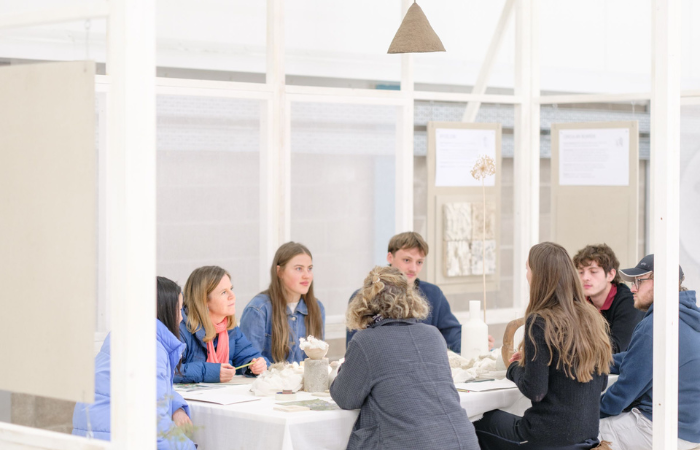
JB: Workshops, and with it, interaction, are a consistent feature of the studio, and I’m sure readers would be interested to hear what they involve.
AS: I run workshops focused on sustainable interiors, covering sustainable materials, biophilic design, and healthy interior environments. Participants explore our extensive sustainable materials library. These workshops are highly interactive, combining hands-on activities with in-depth discussions to provide knowledge and confidence for making informed, sustainable material choices. More workshops are planned for 2026, with a special emphasis on emerging future materials and circular interior solutions. I also welcome enquiries from studios, developers, and organisations interested in bespoke workshops or consultancy to embed climate-conscious strategies and circular design principles in their projects.
JB: Anything else coming up you’d like to share?
AS: Looking ahead, I am relocating my studio to Glasgow in 2026 to expand collaboration and create immersive, climate-conscious interior projects. I continue to develop installations, educational tools, and collaborative projects that bring together design, wellbeing, and climate action. I also offer consultancy to help teams adopt sustainable strategies, make informed material choices, and deliver interiors that benefit both people and the environment.