
A conversation between: Jim Biddulph & Elliot Brook, Deadgood
Graduating any course is a double-edged sword; on the one hand there is a sense of achievement and excitement for the ‘next stage’ of development, while the latter also creates a sense of expectation, even trepidation.
Having graduated from Furniture Design at Northumbria University in 2003, designer Elliot Brook is having a ‘full-circle moment’, as he joins fellow New Designers alumni to celebrate it’s 40th year as part of their new Ambassador program.
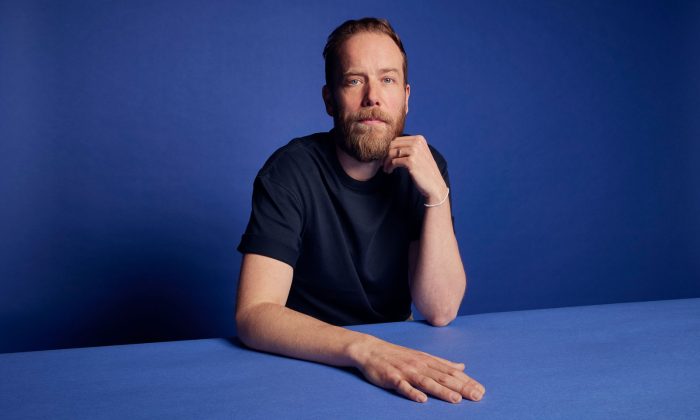
Elliot Brook, Founder & Director, Deadgood
One half of Deadgood, which he co-founded with fellow Northumbria graduate Dan Ziglam, Elliot has two decades of experience of supplying quality furniture – and now rugs – to the contract market. Fuelled by an entrepreneurial spirit and desire to produce quality over quantity from the start, the now eight-strong team prides itself on working with materials and production partners from the UK wherever possible. With a showroom in the heart of Clerkenwell, they have positioned themselves as an ever-evolving, idiosyncratic studio with clients across tech, media and top-tier universities, to name a few, flocking to source their unique wares.
So how did it all begin for Elliot and Dan, and how have they sustained their standout business in a highly competitive market? I spoke to Elliot about this, and his involvement as an Ambassador shortly before New Designers kicked off.
JB: While I’m keen to hear more about your involvement in the 40th anniversary of New Designers, let’s go back to that time period for you – what did you do after graduating, how did it all begin?
EB: Straight after graduating, Dan and I threw ourselves in at the deep end. We made a decision, perhaps bold, perhaps foolish, to start our own thing rather than take the well-trodden path. We had no experience, no money and no manufacturer. Just a prototype chair, a shared vision and the belief that we could create something meaningful. That belief became Deadgood. The early days were fuelled by pure hustle, reaching out to anyone who’d listen, showing at trade fairs, generating press wherever we could, and saying yes to every opportunity. We weren’t chasing stability, we were chasing momentum. Slowly but surely, the brand began to take shape and so did our careers, not designed by someone else, but built from the ground up with purpose, passion and plenty of hard graft.
JB: As I mentioned, you are an Ambassador for New Designers this year. What does it feel like to come full circle with the show, and what does the event mean to you?
EB: It feels incredibly meaningful, like a full-circle moment that’s been twenty years in the making. New Designers was one of the first places Dan and I dared to show our work, back when we had no experience, no funding and no real clue what we were doing, just a prototype chair, a big idea and an unwavering belief in what we were trying to build.
That platform gave us the courage to back ourselves and the validation to take the next step. I don’t think we’d be where we are now without it.
So to return as an Ambassador all these years later is a chance to pay it forward. This event has always championed fresh thinking and emerging voices, and in a world that still presents too many barriers to young creatives, it’s never been more vital.
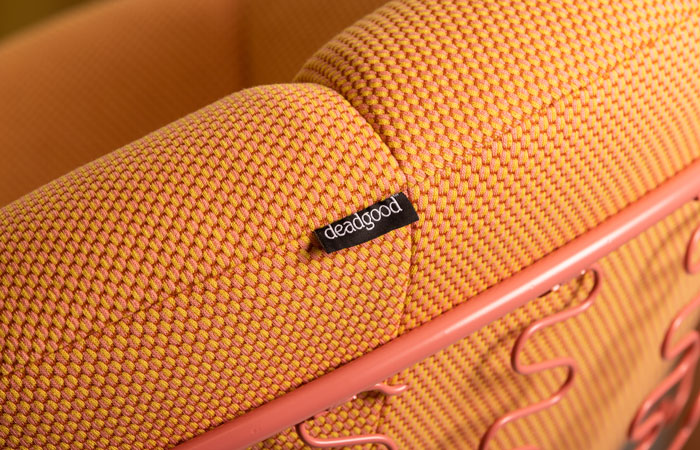
JB: I remember looking across from the Material Lab stand to Deadgood’s during Clerkenwell Design Week in the old Farmiloe Building some 15 years ago, and thinking your products stood out because they didn’t look or feel like commercial furniture, even though they were. Now with your own showroom in the area, I’m interested in how you’ve created such a unique, fun, and enduring style.
EB: That’s kind of you to say – thank you.
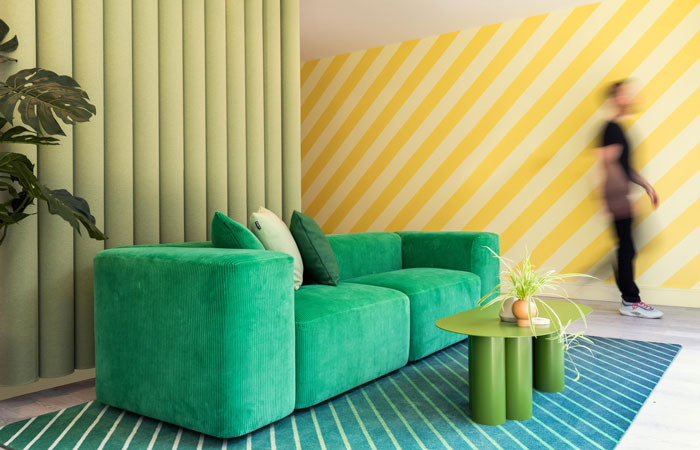
From day one, we’ve been intent on doing things differently. We never set out to just make furniture for offices; we wanted to create products with personality. Pieces that would bring a smile, spark conversation and represent more than just form or function, in essence we wanted them to give you ‘a feeling’.
There’s a playfulness at the heart of our work, but also a deep respect for craft, materials and emotional durability. We’ve always borrowed inspiration from outside the industry, fashion, culture, music, even childhood memories and we’ve never been afraid to take risks.
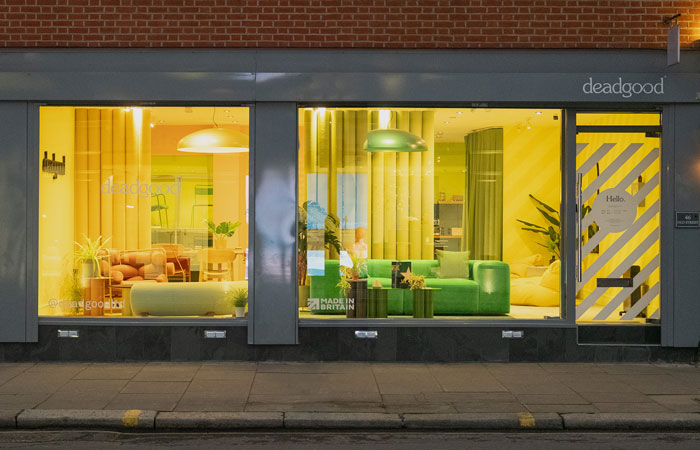
Clerkenwell has played a big part in that journey. Back in the Farmiloe days, we were still finding our feet. Now, with a showroom just down the road, we’ve built a space that reflects who we are. Bold, British and packed full of personality, but with serious thought and purpose behind it.
JB: As the name suggests, Deadgood products are always made with high-quality materials and processes, and while the palette is relatively simple, you have long prided yourselves on designing and making everything in Britain. How does one affect the other? Are there challenges involved in sourcing and marrying up the right material and process here in the UK?
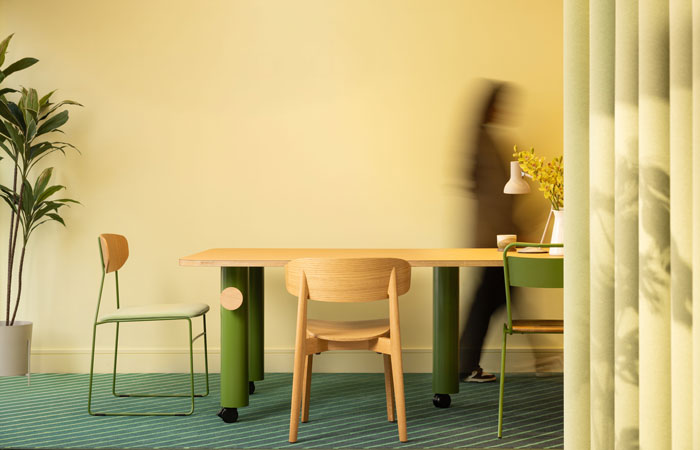
EB: Designing and manufacturing in Britain has always been central to how we work. It allows us to build close, meaningful relationships with our makers, stay connected to the process and maintain a high level of care and consistency in everything we do.
There’s a shared understanding and pride in the craft that really comes
through in the finished pieces. That said, there are challenges. Certain materials or processes aren’t always readily available here, or the scale just doesn’t exist. When that happens, we’re happy to look to Europe, especially where the skill set, resource or supplier can help us do the job properly without compromising quality or values.
Ultimately, we’re trying to find balance. Every product starts with a clear intention and we’re committed to making sure the way it’s made reflects that, wherever we find the right hands to bring it to life.
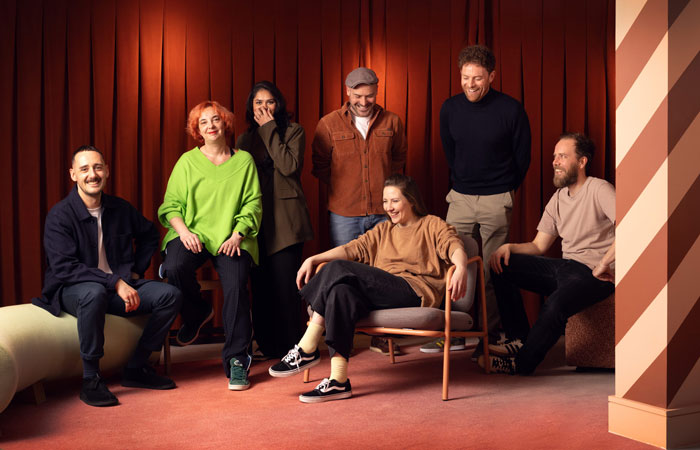
JB: I’m always excited to hear about how collaborative practices operate, and having founded the company with Dan, it’s always been an integral part of your practice. You now also have an extensive team and plenty of guest designers in the portfolio, so can you give me some insight into how these relationships and conversations (including with clients) inform the design process?
EB: Collaboration has been central to Deadgood from the very beginning. Dan and I have always had this unspoken connection; we instinctively get each other, and that kind of alignment makes decision-making faster, sharper, and more purposeful. That rhythm has helped shape every part of the business.
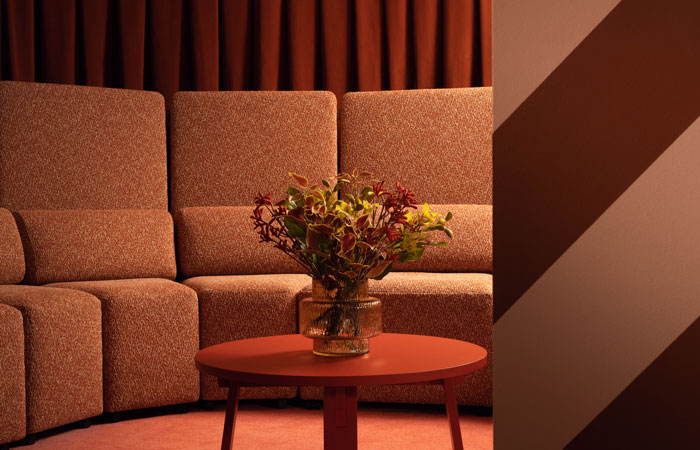
But we’re not the only ones connecting the dots. Vicki Leach, our Design Director, has been with us since the early days and deserves a huge amount of credit. She fully understands the soul of the brand, not just how it looks, but also how it should feel. Her ability to translate our values into something visual and tangible has been a massive part of our success.
These days, I see my role more as creating the conditions for creativity. Bringing people together, encouraging conversation and helping shape the space for good ideas to grow. Whether it’s with our in-house team, a guest designer, a client or a manufacturer, the process is always deeply human.
I believe in trust, taking time and knowing when to push, when to listen and when to let go. Sometimes it doesn’t always work, but when it does, it’s come from a shared sense of purpose. When everyone feels like part of the journey and when everyone is benefiting in a way that suits their goal and motivation, that’s when the magic happens.
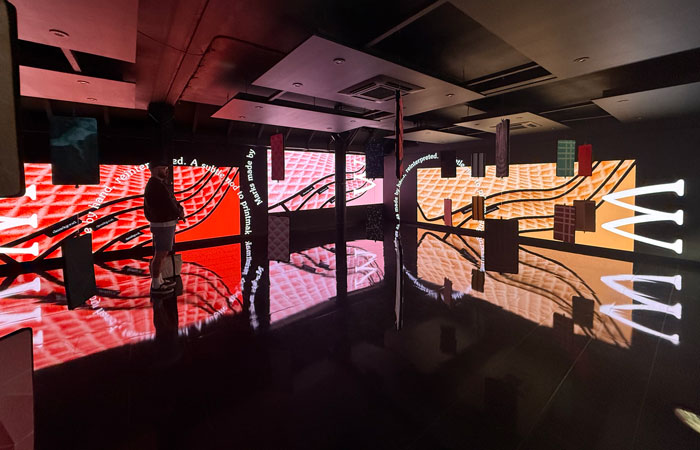
JB: As a brand, you stress that “being Deadgood means being kind to ourselves and others”, as well as the environment. The term ‘sustainability’ has become somewhat marred by greenwashing, but I’m aware that, as well as making in Britain, you put sustainability front and centre of the studio. Can you tell me a bit about how you have done so, and what you’re learning as you move along with this process?
EB: You’re right, sustainability might be a buzzword now, but for us it’s always been part of the way we think. Our values have been in place since day one, long before it became a mainstream conversation. We were inspired early on by the local food movement and organic producers and we brought those principles into the business from the start: keep it local, keep it honest, keep it well made.
Making in Britain gives us a lot of control, it allows us to work closely with suppliers, reduce transport emissions and champion local craftsmanship. But we’re also digging deeper: carrying out Life Cycle Assessments, favouring mono-materials, designing for disassembly, and asking tougher questions about origin, longevity and end-of-life.
We’ve learned that real change doesn’t happen overnight; it happens through small, persistent shifts. Sometimes, the most sustainable thing you can do is design something well enough that people want to keep it. That for me is the essence of good design. That idea of emotional durability is just as important to us as material choice.
We’re still learning, and we always will be. Our aim is progress, not perfection. Because ultimately, being Deadgood means being kind and honest. For me, that starts with how we show up, for people, for the planet, and for each other.