





A conversation between: Jim Biddulph & Zoe Bailey, MoreySmith
Founded by Linda Morey-Burrows in 1993, MoreySmith has built a reputation for creating high-end commercial interiors and architecture that ooze with refined elegance and add value to the people who inhabit them. Having been increasingly adding residential projects to their already impressive portfolio, three years ago the team decided to create a dedicated practice for such projects.
The studio’s ethos for putting people front and centre includes it’s own staff, which is underlined by the recent promotion of Zoe Bailey. A graduate of Interior Design at Regents University, Zoe has been working for the company for nearly a decade, and with the support of Linda and the extended team, has now worked her way up to Associate Director of both studios. She was a core instigator in the inception of StudioMorey and remains a driving force behind it. I got the chance to discuss her career and the work the team do shortly after her promotion.
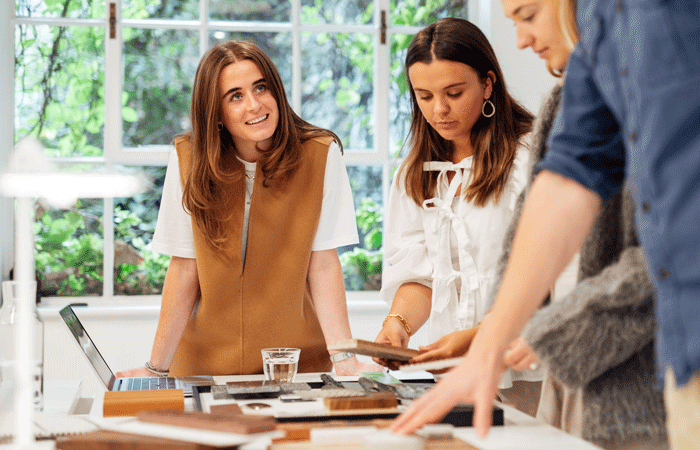
JB: Congratulations on your recent promotion to Associate Director of MoreySmith and StudioMorey, which comes less than 10 years after joining the company as a graduate. I’m interested to hear where this journey started for you.
ZB: I was always very dedicated. I joined my university course in Interior Design based on my course leader being so inspirational, and I had a great mentor throughout my degree in him. I could have gone to a more prestigious arts course, but I was in the right place – in small classes of 10 with real focus on training for the real design studio jobs that I was aiming for.
I worked over the summer as an intern for 2 companies during my degree, and that was a great addition to my learning process. Once I graduated, I was recommended to interview at MoreySmith by one of my lovely tutors who used to work here, and the rest is history. I think my passion for design and my dedication at University naturally led into my career, I don’t like doing things in halves; I put my all into it.
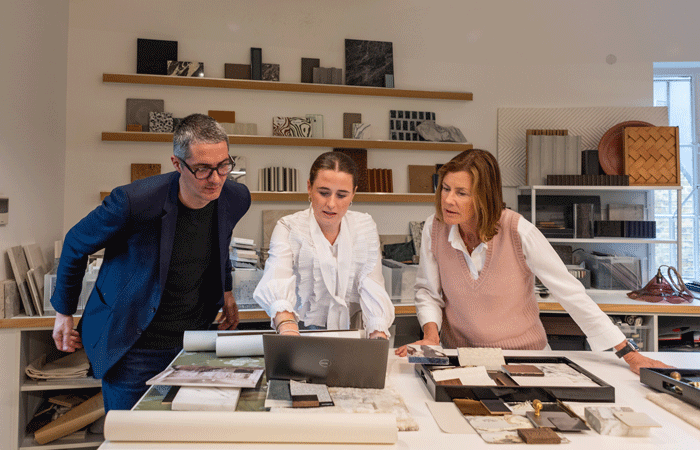
JB: I know from the conversations I have with young architects and designers that it’s a tough and competitive world to break into, and I’m intrigued to hear how your role has evolved and developed over the past nine years
ZB: It has been a journey – I was lucky to land at MoreySmith straight out of University. But I would say that in the first few years, there is so much to learn; it’s quite uncomfortable as you need to make so many mistakes to get to a point where you can really start to come into your own. I had some great mentors during my former years; Michael Kieck and Andrew McCann were both instrumental to my learning curve and building confidence to be able to deliver creative visions. I have been very fortunate that in my time here at MoreySmith, Linda, our Principal Director, has been a huge part of my development. From being taken to my first pitch with her and Andrew, to then working with her when starting up StudioMorey, and taking me on a journey to understand more about the running of the company. I really pushed to be involved in this side of the business once I had been here a few years – I was really keen to get involved with pitches and new business. I now work very closely with both Linda & Andrew day-to-day on new projects, pitches, and ensuring our projects are designed with the care and detail that is expected of the brand.
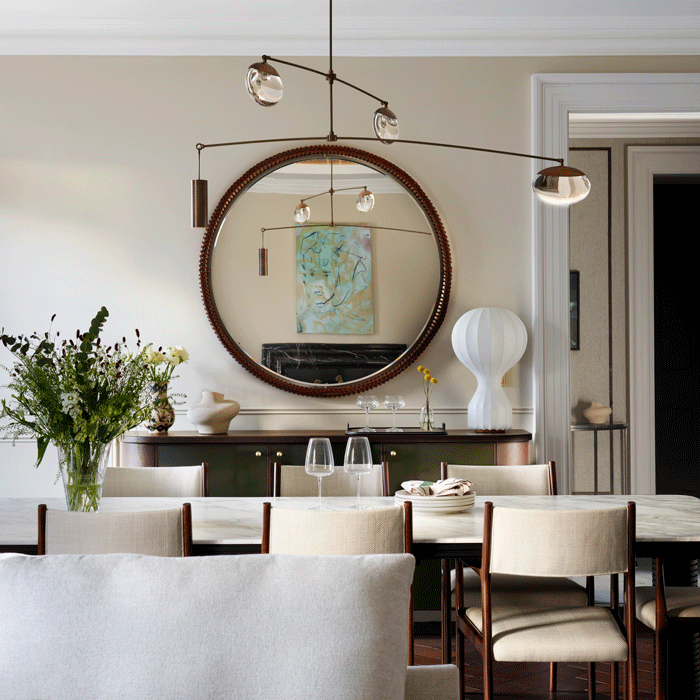
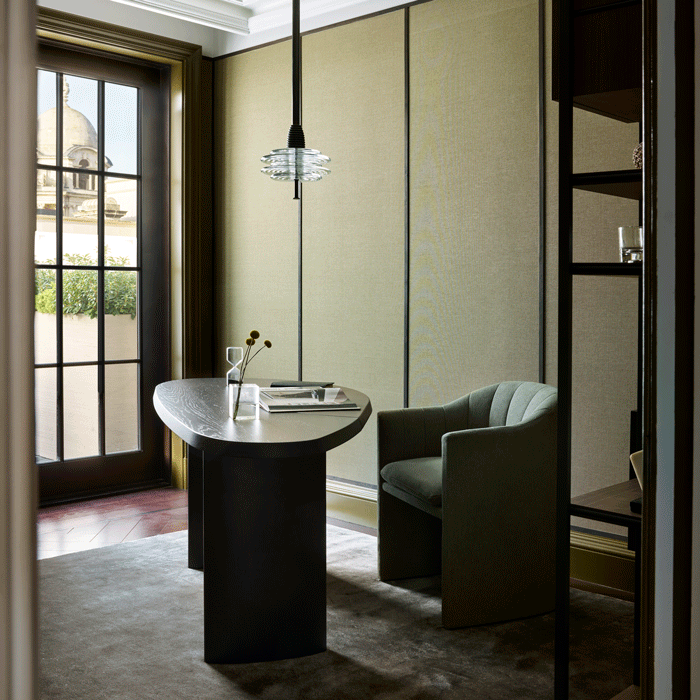
The Old War Office, Apartment. Photo Rachael Smith
JB: MoreySmith has built a reputation as a leader in workplace design, and I know you have played a big role in projects such as the recently completed 23 Savile Row, along with the Generator Building in Bristol. I’m sure our readers will be interested to discover a little more about the studio’s unique approach to designing workspaces.
ZB: We are definitely on the more creative spectrum of the workplace industry, we like to push the boundaries with our clients and take them outside of their comfort zone – I have always been interested in the more hospitality-led side of the commercial work.
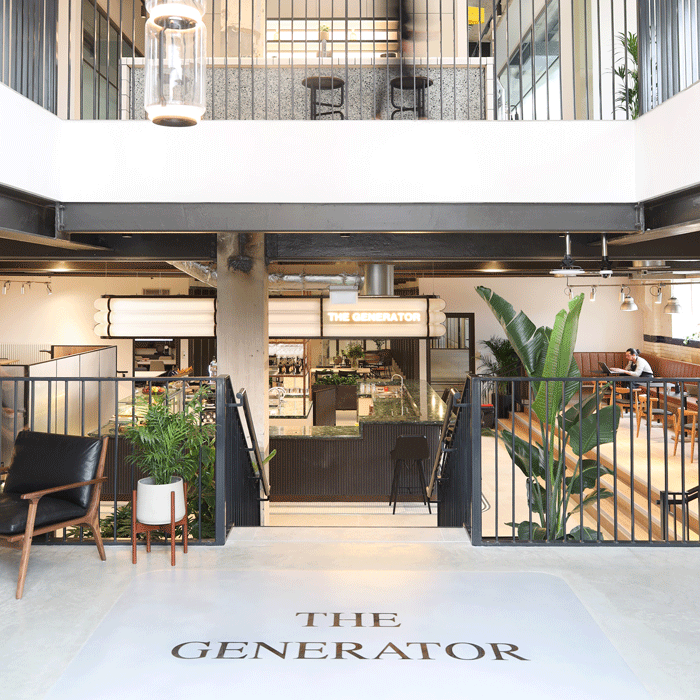
The Generator. Photo Fiona Smallshaw
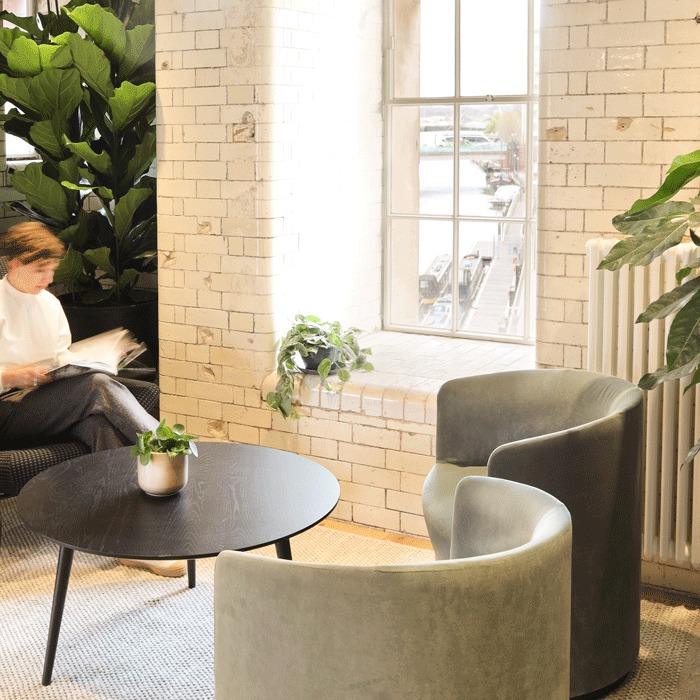
The Generator Building in Bristol was a real career turning point for me as I was involved in the pitch for the first time, and we won the project, and I saw it to completion. I have always loved working with heritage buildings, and this was an old electricity generator. We retained any architectural features we could, exposing all of the internal glazed brick walls as the base of the materials palette. The brief was for the building to be used as a Co-Working space, with events space and bar. We had a clear strategy from the outset; the bar, events space & meeting rooms occupy the ground floor, creating impact on people entering the building, then the upper floors are all office space with amenity on each floor, with either atrium views or windows onto the river.
23 Savile Row. Photo Billy Bolton
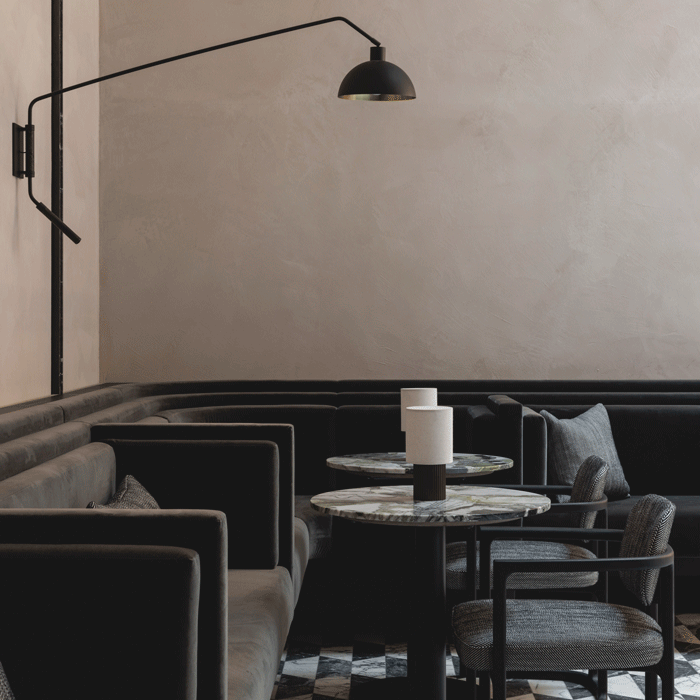
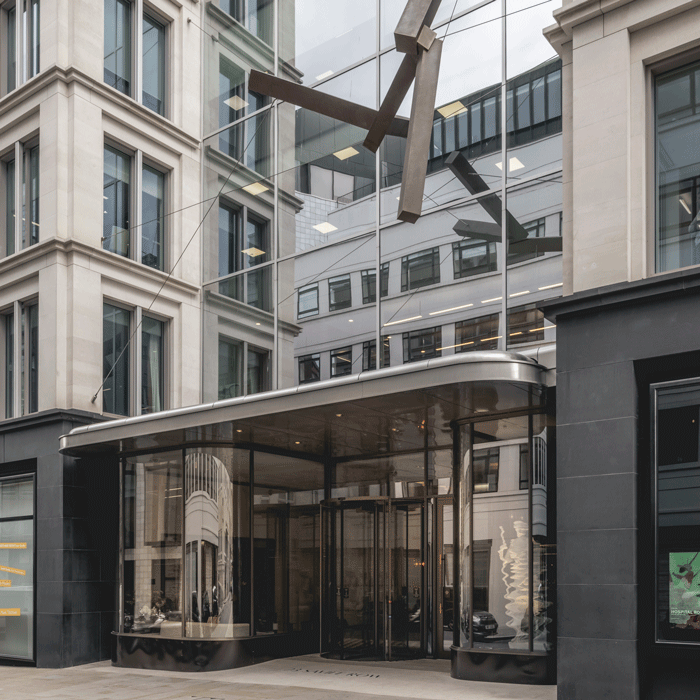
23 Savile Row came following MoreySmith’s success at Henrietta House with Lazari Investments, which meant there was already a level of trust with the client, this is always the best way to work on any project. The site started out as an entrance facade and tired reception that lacked identity, the brief was for the entrance to reflect the quality of the building and the area, being in such a prime and historic location we drew on inspiration from the local architecture such as Burlington arcade. The concept was to elevate the quality of the interior and amenity to 5 star hotel level, creating a space for the tenants and their guests in the building to use – serving coffee, breakfast and lunch from the bar and hosting events in the evening serving wine and cocktails. When design workspaces, we are focused in on the user, how they operate, what their needs are, and this results out the most creative and successful projects!
23 Savile Row. Photo Billy Bolton
JB: The studio has also led the charge in the so-called ‘hotelification’ of commercial spaces, notably work environments, adding luxury finishes and comfort in a way that blurs the boundaries between work and leisure. I’m intrigued to hear more about this rationale and how it may have evolved since the lockdown.
ZB: I think it is just a natural progression that workplace is going down this route. We were doing this before the pandemic, and it has just become more popular with occupiers and developers responding to what their staff and clients are wanting. We are seeing that there is a huge focus on amenities at the moment – we put in a bar or coffee station in even the smallest projects now! We are seeing the shift to put in wellness amenities and even sports such as pickleball or padel courts! Alongside this, luxury finishes are now becoming a standard; it’s a more sustainable approach as you are designing for longevity, with the hopes these interiors can either be left untouched for many many years, or only need slight updates to move with technology.
The Old War Office, Apartment. Photo Rachael Smith
JB: I imagine this progression within the studio played a big role in the introduction of StudioMorey in 2022. Can you tell me about the studio’s approach to residential and hospitality design?
ZB: StudioMorey was a passion project for us. We started it up to diversify – MoreySmith had done lots of residential work in the past, but under that name, and it was harder to market this and showcase to more clients that we could do that too. We have just turned 3 as StudioMorey, so still really new, but we have a few projects completed and two large homes completing early 2026 – one in St Johns Wood and one in Vienna. It is very exciting, we are hoping it will grow year-on-year as our reputation grows. Since starting StudioMorey, I would say my preference has become residential – it feels more personal and creative sometimes as you work closer with the client than you do in commercial.
The Generator. Photo Fiona Smallshaw
JB: What can we expect from the team moving forward – are there any current or future projects that you can share with us?
ZB: We have a lot of exciting projects on site at the moment and a few new ones in the pipeline at concept stage – I think the next 12 months are going to be very busy but also rewarding. Seeing projects come to life is the best part of the job. I can’t mention any of the new jobs by name, but I can promise they will be worth looking out for!