





Beyond Taste: How Modern Hospitality Venues Create Multi-Sensory Experiences
Today’s most compelling hospitality venues offer far more than just food and drink, they create complete sensory journeys. The lines between dining, entertainment and design continue to blur while customers seek spaces that transport them beyond their everyday routines. This shift has prompted designers to craft environments where every element contributes to a cohesive story rather than simply delivering a functional space.
Crafting Immersion Through Design
The three hospitality projects examined here each approach immersive experiences with distinctive methods. While representing different concepts, from casual dining to exclusive clubs, they share common ground in their ability to transform ordinary activities into memorable experiences. Many of you have probably noticed this trend gathering momentum in recent projects across the sector. From London to Warwickshire, these venues by Studio Found, Black Ivy Design and DLSM Studio showcase thoughtful design choices that elevate spaces beyond their practical functions.
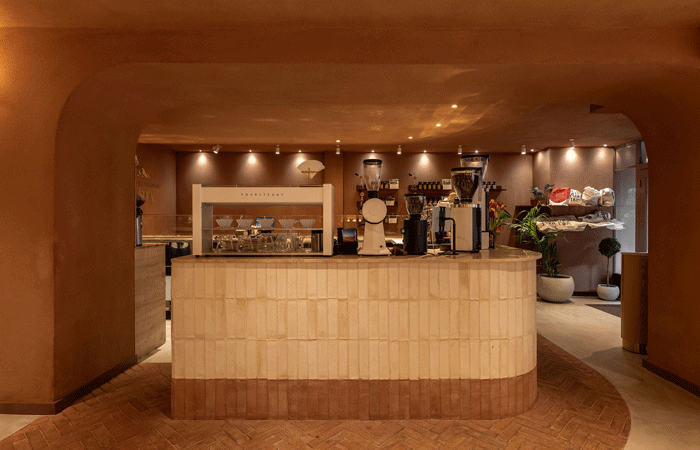
Qima Café by DLSM Studio
These venues tackle a central question: how do we design hospitality environments that engage multiple senses while maintaining their primary function? Their solutions reveal that successful experiential spaces resist formulaic approaches, instead drawing on brand narrative, location context and desired emotional response.
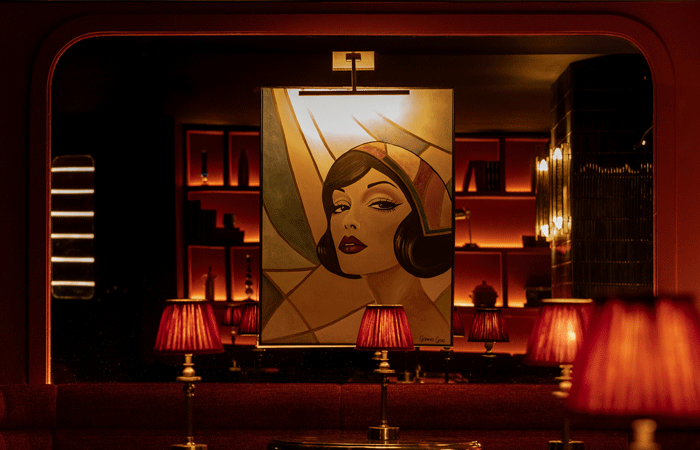
Hush by Black Ivy
Engaging the Senses Through Design Choices
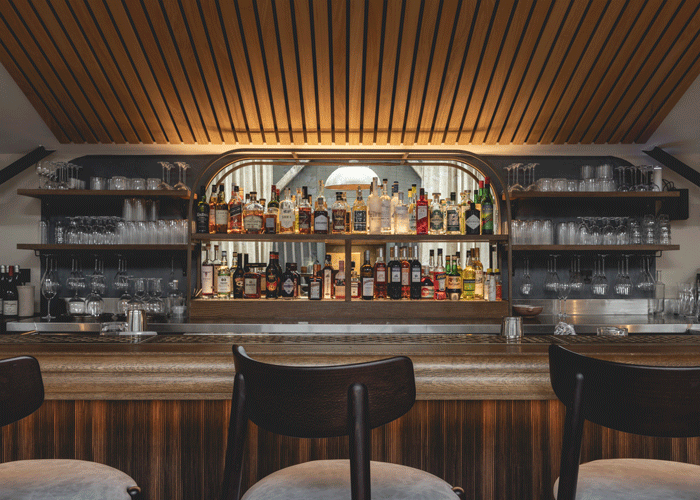
Studio Found’s design for The Wildflowers Restaurant in Pimlico makes material choices the star of the show. The wine bar features Havwoods’ Ebony Costato Veneer with rich cocoa tones that immediately transport guests to Mediterranean cicchetti bars. Its natural, unfinished appearance creates what the designers describe as “a tranquil, welcoming atmosphere where guests can relax and immerse themselves in the experience.”
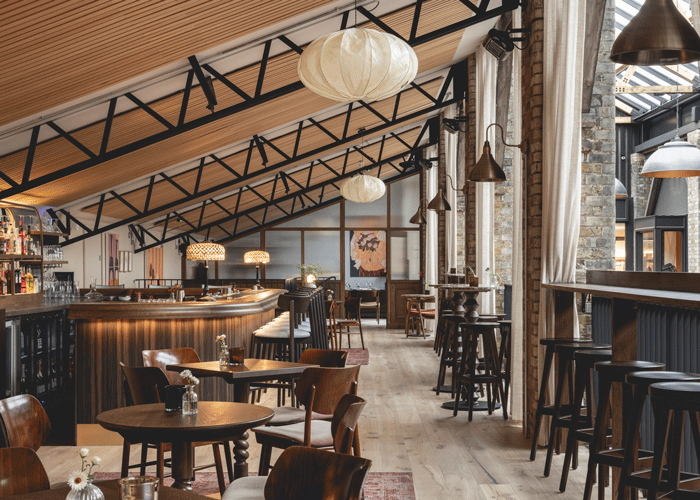
The space’s tactile quality extends beyond the striking curved bar to every detail – from lighting that plays across natural wood grain to the contrast between warm wooden surfaces and metal accents. These elements create an environment that feels both sophisticated and inviting, encouraging guests to linger in a space that speaks to both touch and sight.
Hush: Lighting as Emotional Architecture
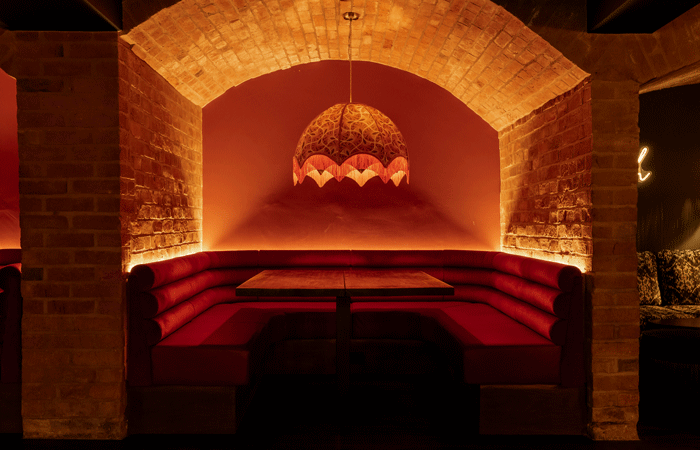
Black Ivy Design’s transformation of a Warwickshire basement into Hush shows how lighting shapes experience at a fundamental level. Founder Leanne Armstrong describes it as “the emotional undercurrent of Hush,” orchestrated to guide mood throughout the venue. The team turned low ceilings from a challenge into an opportunity, developing a layered lighting scheme that brings depth to this art deco-inspired sanctuary.
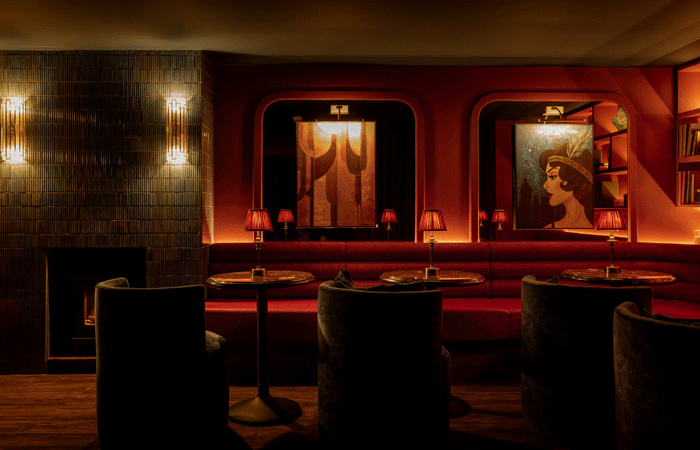
The sophisticated combination of uplights, hidden LEDs, statement pendants and golden table lamps doesn’t just illuminate, it actively shapes the visitor journey. Armstrong explains, “There’s a softness to the way light moves in the space; it pools and fades, rather than floods.” This careful attention to light’s emotional impact transforms the club into a time-travel experience where guests feel transported to the glamour of the Roaring Twenties.
Qima Café: Spatial Narrative as Experience
At Qima’s Covent Garden flagship, DLSM Studio has crafted architecture that embodies narrative rather than merely housing it. The café’s distinctive tiered ceiling echoes the undulating landscapes where coffee cultivation begins, establishing an immediate dialogue between product and place. This structural choreography doesn’t just reference origin, it transports visitors along Qima’s journey from mountain terrains to urban cup.
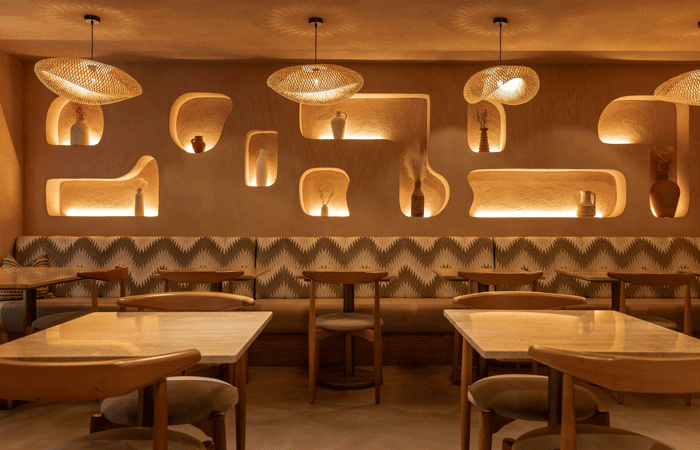
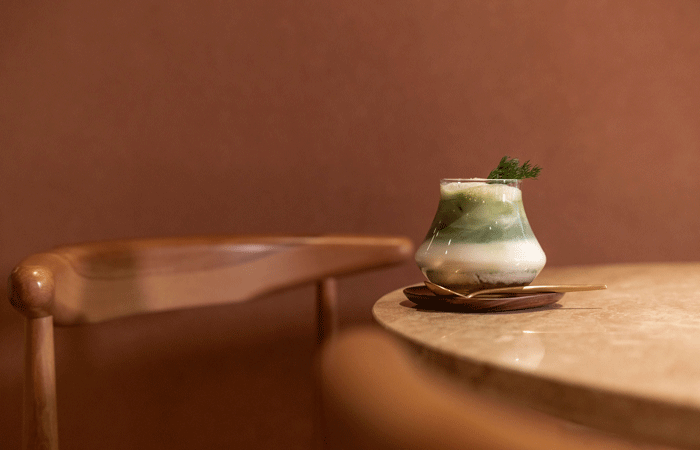
Material selections orchestrate a textural progression that reinforces this spatial storytelling. Earthy terracotta bricks provide tactile warmth at the foundation, while ombre-textured clay plaster walls graduate in tone like soil strata. This deliberate materiality culminates in soft marbles that introduce subtle luxury, a contemplative counterpoint to the rustic elements. The central coffee counter, positioned as the conceptual heart of the space, functions less as a service point and more as a performative stage where craftsmanship becomes ceremony. What DLSM Studio has achieved is a subtle reframing of ritual, elevating a coffee purchase into an act of connection with both product provenance and production artistry.
Designing for Memory: The Future of Experiential Hospitality
What these three venues reveal is a shift in how hospitality spaces function in our culture. The Wildflowers, Hush, and Qima each employ distinct sensory strategies, yet share a common purpose: they’ve moved beyond transaction to become stages for memorable experiences.
This reflects a wider cultural moment. As digital interfaces mediate more of our daily interactions, these physical spaces offer a deliberate counterpoint – environments where real materials speak to our senses directly. Today’s hospitality clients understand that what makes a venue memorable isn’t just how it looks, but how it orchestrates moments that unfold throughout a visit.
The most compelling new venues recognise that a carefully crafted environment creates not just a backdrop for dining, but a complete narrative that guests participate in. So what defines the next frontier for experiential hospitality? Perhaps it lies in designing spaces that respond and adapt to their occupants, creating dialogues rather than monologues. These three projects suggest we’ve moved past spaces that merely photograph well toward environments that forge genuine connections, drawing guests back not just for what’s on the menu, but for how the space made them feel.