




Column: Adaptive reuse as luxury. Why authenticity outperforms new-build gloss
Monthly Column By Ed Murray
There was a time when luxury meant new. Pristine façades, perfect lines, buildings without blemish or memory. Today, that logic is feels increasingly hollow.
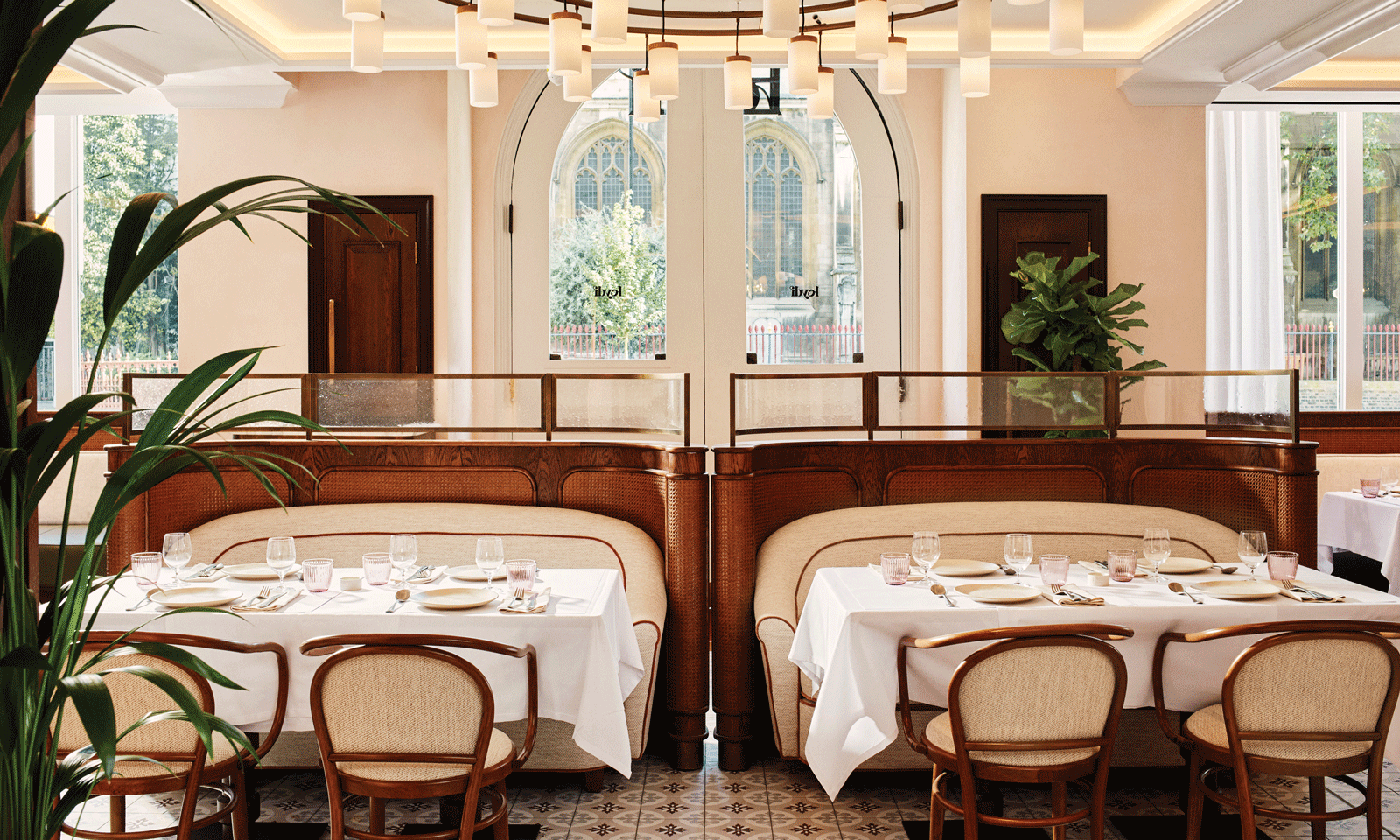
Across Europe, the hotels that guests talk about most are rarely the newest – they are the ones with history. Former banks, government buildings, townhouses, factories, and offices. Buildings that carry traces of previous lives and wear their imperfections with confidence. These are not compromises – they are assets.
The shift is not nostalgic, it is cultural. In a world saturated with global sameness, people crave places that feel anchored, that have texture, irregularity, a sense of having been somewhere before. Authenticity isn’t a branding exercise – but a spatial quality.
From a design perspective, adaptive reuse is demanding. Structure rarely aligns with frankly anything! Floor-to-ceiling heights fluctuate. Services routes are negotiated, not imposed. Heritage preservation forces invention rather than repetition. But it is precisely this friction that produces character.
There is nothing I love more than the polish of a brass door handle that has been created not by specification, but by touch. Thousands of hands, over decades, slowly burnishing a surface until it glows. It is a layered, unselfconscious act of collective authorship – a material memory that no amount of detailing can replicate. In a world increasingly disillusioned with the virtual, an honest layer of patina is a poignant reminder of tangibility. It tells us that a building has been lived in, leaned against, relied upon. This is not wear to be erased, but value to be revealed.
Where new-build hotels too often begin with a template, reuse begins with listening. Listening to the building, its proportions, its scars, its stories. The result is not uniformity, but specificity – and specificity is now the true marker of luxury.
There is also a growing awareness that sustainability is not a future ambition but an urgent responsibility. It’s a necessity, not a value-add. The greenest building is the one that already exists. Retaining embodied carbon, working with existing fabric, minimising demolition – these are not soft benefits, they are measurable contributions to a hotel’s environmental narrative.
Yet adaptive reuse is still sometimes seen as a risk – complex, constrained, slow. In reality, it is one of the few areas where architecture can still genuinely outperform capital. You would struggle to replicate history with finishes. And you cannot fake the emotional response that comes from occupying a space that has evolved over time.
The most successful hotels of the next decade will not be those that shout loudest, but those that listen hardest – to their context, their buildings, and their guests.
Luxury is no longer about perfection. It is about authenticity.
Written by Ed Murray, Associate Architect at Studio Moren