





Column: Porcelain Tiles – Pros & Cons
Monthly Column By Emilio Mudrak
When I’m sitting with an architect/interior design and we discuss mood-board/design intent, porcelain is usually first out of my sample box, and for good reason.
It is produced at higher temperatures and with denser materials than standard ceramics or other flooring products, which means water absorption sits at virtually zero, making it perfect for wet areas and terraces.
Other pro’s I love:
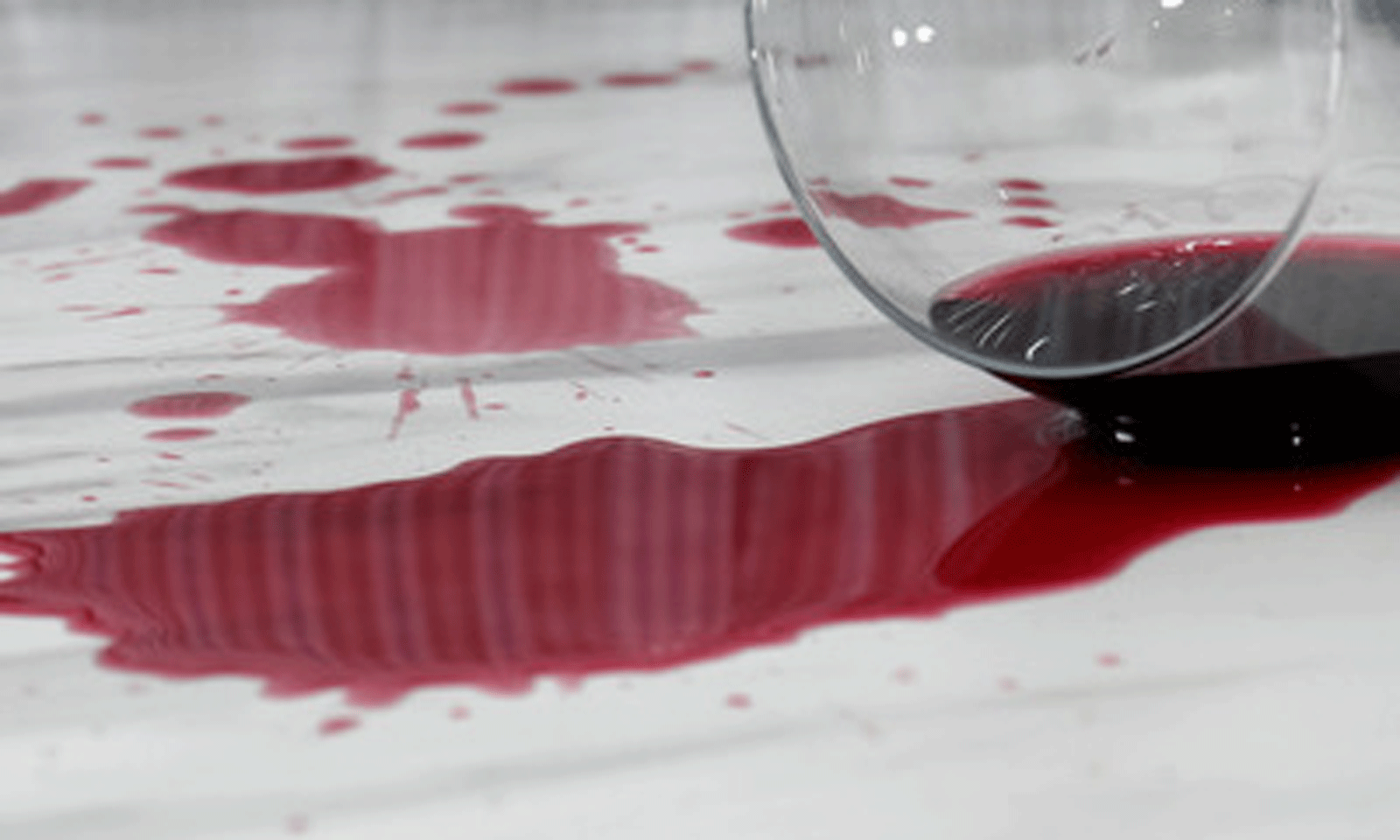
- Durability: drop something, spill something, walk with stilettos – all no problem for porcelain.
- Design freedom: high precision ink-jet printing now gives Calacatta veining in incredible detail at a fraction of the slab price.
- Formats: from small mosaics, to 20 mm pavers to 6 mm large format panels, the opportunities with the product are so versatile.
- Maintenance: Being completely frost / acid / waterproof, upkeep for clients is minimal.
Important ‘to knows’:
- Installation: the larger the tile, the more unforgiving on uneven substrates. Make sure you specify a perfectly flat screed!
- Thermal comfort: beautiful under UFH, but without heat it’s like cold handshake! Flag this early for spas, breakout areas or residential clients.
- Acoustics: in open plan commercial offices, I still recommend pairing porcelain walkways with acoustic panels / ceilings, or rugs to reduce the click-clack.
- Up-front cost: PEI-4 or -5 pieces cost more than entry-level LVT, so sell the life-cycle story.
Bottom line? I treat porcelain like a sports car—superb performance if the groundwork is right. Choose the right room, prep the sub-floor, and it’ll pay you back for decades.
Emilio Mudrak, Director of Mudrak & Sons