




Hospitality Interior Design Trends 2026: What This Means for Hotel, Workplace and Restaurant Furniture
Design Insider spoke with Dynamic Contract Furniture Managing Director, Peter Carter, about the key interior design trends shaping hospitality and commercial spaces in 2026.
Drawing on the company’s experience supplying contract furniture for hotels, restaurants and workplaces, Peter highlights the major influences emerging across the sector, including warmer grounded colour palettes, modular and adaptable furniture, softer organic forms, sustainability-led specification, tactile materials and layered textures, and a renewed appreciation for visible craftsmanship and artisanal detail.
Why is hospitality interior design evolving in 2026?
The focus is no longer simply on creating visually impressive spaces. Instead, designers, developers and operators are asking deeper questions about purpose, longevity and emotional connection. Why are guests choosing certain hotels? Why do customers feel drawn to specific restaurants? Why do workplaces feel welcoming and engaging?
These questions are shaping the way hotel furniture, restaurant seating and commercial interiors are being specified this year. At Dynamic Contract Furniture, we are seeing clear shifts in the design language, materials and manufacturing approaches that define modern hospitality environments. Below are the key trends influencing contract furniture and commercial interiors in 2026.
What colour palettes are defining hospitality interiors in 2026?
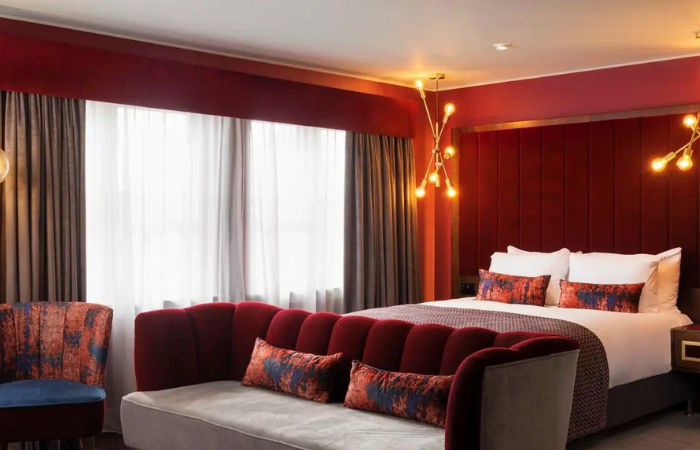
Neutral tones remain important, but in 2026 they are warmer, richer and more natural. Hospitality interiors are embracing colours such as sand, taupe, espresso brown, olive green, terracotta and deep burgundy. Smoky greens and earthy tones are replacing cooler greys, creating spaces that feel grounded and welcoming.
For hotel furniture projects, this translates into upholstered lounge seating and headboards in warm textures and layered tones. In restaurant environments, deep greens and muted earth shades create intimacy and depth within dining spaces.
These palettes pair particularly well with durable commercial fabrics and textured upholstery that meet contract-level performance requirements. While colour sets the mood, it must always be supported by materials suitable for high-traffic hospitality use.

Why is modular and adaptable furniture becoming more important?
Flexibility is becoming essential across hospitality and workplace environments. Hotels are increasingly designing public spaces that serve multiple purposes throughout the day. Restaurants are blending bar, lounge and dining concepts. Workplaces are adapting layouts to support hybrid working models. Modular contract furniture supports this shift.
Adaptable seating systems allow:
• Reconfiguration of layouts
• Easier refurbishment cycles
• Replacement of individual components
• Better use of space in high-traffic areas
For hotel lounges and restaurant seating, modular systems offer long-term performance and flexibility without requiring complete replacement. For workplace furniture, modular breakout seating allows environments to evolve alongside changing team structures and collaboration needs.
How are furniture shapes and forms changing in hospitality interiors?
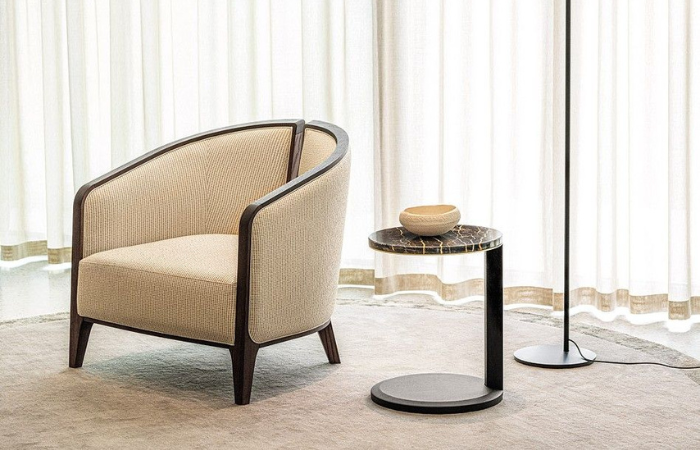
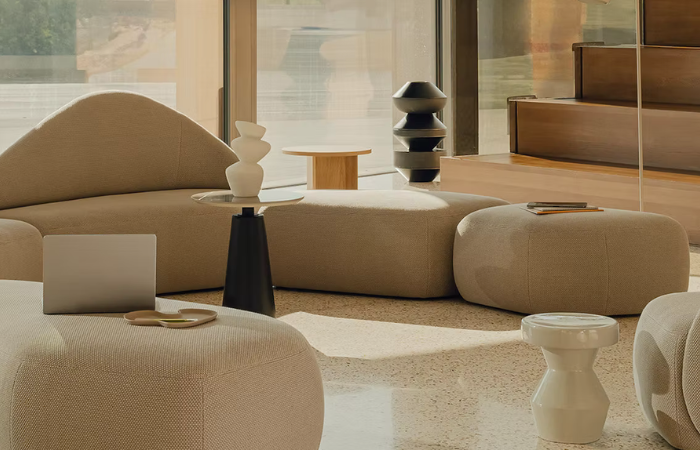
Sharp edges and rigid lines are giving way to softer, curved and organic forms. Curved sofas, rounded lounge chairs and sculptural armchairs are becoming central features in hotel lounges and restaurant interiors. These shapes create flow within spaces and feel more comfortable and inviting.
For hotel furniture, this means:
• Curved reception seating
• Softly contoured guest room chairs
• Rounded headboard designs
• Sculptural occasional tables
In restaurant furniture design, organic banquette seating helps define zones within open-plan layouts while maintaining visual softness. Statement pieces are also growing in importance. Oversized coffee tables, expressive armchairs and bold lounge seating help create memorable spaces that feel emotionally engaging rather than purely functional.
Why is sustainability now a core requirement in contract furniture?
Sustainability is no longer an optional design feature. It is a fundamental consideration in commercial interiors. The decline of fast furniture is evident across hospitality and workplace sectors. Clients are prioritising durable construction, repairable systems and responsibly sourced materials.
In 2026, sustainable contract furniture means:
• Long-lasting frames and structural integrity
• Replaceable components rather than full disposal
• Commercial-grade upholstery designed for longevity
• Reduced waste during refurbishment cycles
For hotel and restaurant operators, this approach supports both environmental responsibility and long-term operational efficiency. At Dynamic Contract Furniture, we are seeing increased demand for bespoke pieces manufactured to exact specifications, ensuring better fit, reduced waste and extended lifespan in commercial environments.
How are texture and materials shaping guest experience?
Furniture contributes not only visually but also through touch and materiality. In 2026, hospitality interiors are embracing layered textures and subtle pattern. Designers are specifying woven fabrics, soft bouclé finishes and understated geometric motifs inspired by nature. Patterns that reference leaves, mineral formations and organic growth add depth and warmth to hotel and restaurant environments.
In high-traffic commercial settings, these aesthetic choices must be supported by contract-grade fabrics with appropriate durability and fire compliance standards. Texture and performance must work together.
Why is visible craftsmanship becoming more important in hospitality furniture?
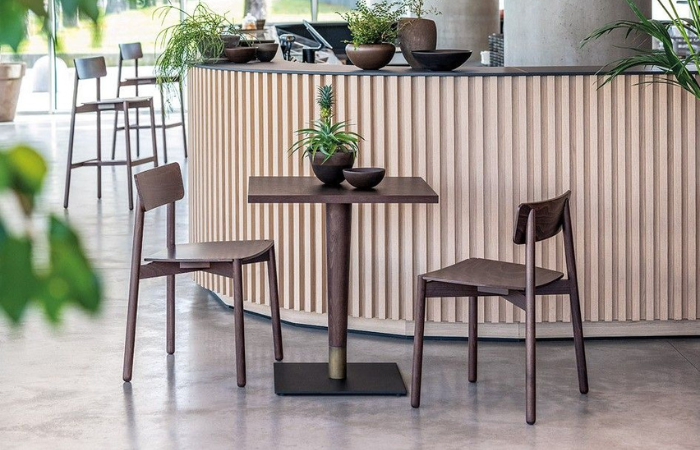
There is growing appreciation for furniture that reflects the skill behind its creation. Hand-finished details, visible stitching and carefully considered joinery are becoming more prominent in boutique hotel and restaurant interiors.
Clients are increasingly aware that mass-produced furniture moves quickly through trends without offering long-term value. In contrast, bespoke contract furniture develops character over time and aligns more closely with brand identity. For hospitality environments focused on storytelling and emotional engagement, craftsmanship plays a key role in shaping memorable interiors.
How do these trends influence contract furniture specification in practice?
Understanding design trends is one thing. Translating them into practical furniture specification is another. For hotel furniture projects, warm-toned upholstery must still meet commercial fire standards and durability requirements. Organic seating forms must remain stable and structurally sound in high-traffic lounges.
For restaurant furniture, curved banquettes and sculptural seating must support efficient layouts and service flow. Comfort must be balanced with ease of maintenance. For workplace interiors, adaptable seating must withstand daily use while allowing flexible configuration.
Across all sectors, sustainability increasingly influences procurement decisions. Operators are asking:
• Can this piece be repaired rather than replaced?
• Is it manufactured for long-term commercial use?
• Does it align with environmental and ESG goals?
• Will it maintain visual quality after years of heavy use?
This is where contract furniture expertise becomes essential. At Dynamic Contract Furniture, trend awareness is always balanced with performance standards. A statement lounge chair must still meet durability expectations. A modular seating system must still withstand constant use. A bespoke upholstered piece must still comply with commercial fire regulations. Trends shape direction. Specification ensures longevity.
What do these trends mean for hotel and restaurant projects in 2026?
For designers and operators planning new hospitality projects in 2026, the direction is clear.
Successful interiors will:
• Embrace warm, natural colour palettes
• Incorporate curved and organic seating forms
• Specify modular and adaptable contract furniture
• Prioritise sustainable manufacturing and long-term durability
• Celebrate visible craftsmanship and material texture
Hotel furniture and restaurant seating are no longer purely functional components. They are central to shaping guest experience and brand identity, view some of resent hotel and restuarant projects here. By combining design intention with contract-grade performance, hospitality environments can deliver spaces that feel purposeful, engaging and resilient.
What should designers and operators consider when specifying furniture for 2026 hospitality projects?
The hospitality interior trends shaping 2026 represent thoughtful evolution rather than dramatic reinvention. Warmer palettes, softer forms, modular adaptability, sustainable construction and visible craftsmanship are redefining how commercial interiors are specified across hotels, restaurants and workplaces. For operators and designers across the UK, the priority remains clear. Furniture must not only look impressive on opening day but perform consistently for years to come.
At Dynamic Contract Furniture, we continue to support hotel, restaurant and workplace projects with bespoke manufacturing, expert specification guidance and contract-quality performance designed for high-traffic commercial environments.
Find Dynamic Contract Furniture on Supplier Finder
Supplier Finder is the UK’s only search platform for accredited suppliers of commercial interior furnishings.
At Supplier Finder, our mission is simple: to help you find the perfect commercial furnishing suppliers for your interior schemes and projects. We understand the importance of having confidence in the suppliers you specify and the products that bring your designs to life. That’s why each supplier featured on our platform is accredited through Commercial Interiors UK’s rigorous membership application process. This ensures that you engage with only the best in the industry!