




The Changing Face of Travel and Hospitality: Responding Through Design
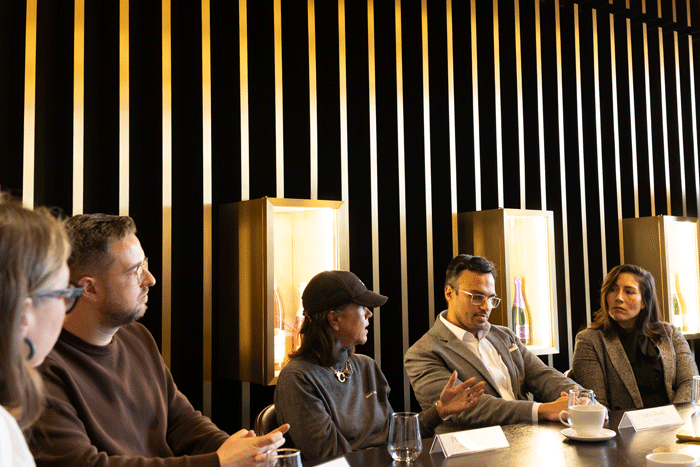
Recently, Studio Moren welcomed a select group of developers, operators, designers, strategists and investors, who came together at Hithe + Seek, inside The Westin London City, for an intimate, closed-door discussion on the changing face of travel and hospitality.
Moderated by Alys Bryan, Editor of Design Insider, the round table brought together Alex Baumon-Lyons (Aendre Group), Philippa Wagner (People Places Spaces), Jonny Sin (Sin&Co.), Priya Rawal (The Luxury Property Forum), Sam Ghosh (STAY Camden), Sophie Gwilliam (Native by Numa), Laura Tan (Notable), Rebeca Guzman Vidal (Curate Real Estate), alongside David Harte and Ed Murray from host Studio Moren.
Titled The Changing Face of Travel and Hospitality: Responding Through Design, the discussion explored how architecture, interiors and experience-led design are adapting to shifting demographics, new lifestyle priorities and evolving definitions of value. With wellness, remote work, hybrid living, digitalisation, community and brand storytelling all on the agenda, the focus was firmly on what is genuinely changing and where design has the greatest opportunity to respond with intent rather than surface-level gestures.
The conversation focused on lived experience, real projects and honest tensions, balancing guest expectations with operational realities and long-term value across hospitality and prime residential contexts.
The roundtable unfolded around five key topics, exploring how hospitality design is responding to wellness, performance, hybrid living, digitalisation and the role of hotels as civic spaces.
Wellness as a Core Design Principle (Not an Add-On)
Wellness emerged immediately as a baseline expectation rather than a specialist offer. David was clear that it can no longer sit at the edges of a project.
“Historically, wellness was treated as an amenity, a spa, a healthier menu,” he said. “Now it has to be part of the narrative from the very beginning. It’s about circulation, acoustics, air quality, materiality and how people move through space.”
Importantly, he challenged the assumption that wellness equates to neutral minimalism. “You can create a sense of wellbeing through richness and storytelling,” he added. “It’s about how materials are curated and brought together in a way that feels harmonious.”
Using The Westin London City, a Studio Moren-designed hotel, as an example, David pointed to arrival as a critical moment. Moving from a busy street into a calm, river-facing interior creates a clear transition. “That moment of decompression sets the tone before anything else happens.”
Ed reinforced this architectural approach through Studio Moren’s work on the Abastumani Wellness Resort in Georgia. Located within a pine forest historically associated with tuberculosis recovery, the project uses darkness, quietness, landscape and natural hot springs as primary wellness drivers. A rooftop stargazing walkway capitalises on the area’s exceptionally dark skies, embedding wellbeing at a spatial and experiential level rather than through added facilities.
Across the table, there was consensus that wellness must be designed in from the outset, shaping planning, materials and spatial sequencing rather than being layered on once the concept is fixed.
Regenerative and Performance-Led Hospitality
Building on this, the discussion moved towards wellness as performance rather than pampering. Philippa reframed the shift clearly.
“We’re seeing wellness move from indulgence to regulation,” she said. “People want to maintain their routines, sleep, fitness and nutrition because it helps them function better, especially when travelling for work. They want to feel better when they leave than when they arrived.”
She pointed to Crafted at Powdermills as an example of what she described as “life friendly hospitality” – an approach that removes moral judgement from how guests choose to experience a place. Set within nature, the concept encourages paddle boarding, outdoor activity and immersion in landscape, but equally embraces indulgence and sociability.
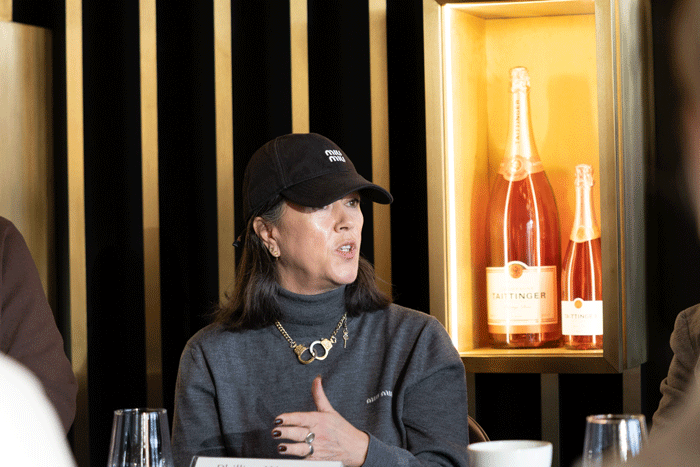
Philippa Wagner (People Places Spaces)
“There’s no right or wrong,” she explained. “You might spend the morning on the paddle course, or you might get dressed up and have the most amazing night in the bar. That’s also wellbeing. It’s just the rhythm of your life.”
Laura questioned how the definition of wellness itself is changing saying “It’s interesting to go back to the definition of wellness, and to consider why it is changing in terms of design and experience.”
“In the past, wellness was about being pampered in the spa. It was a treat, and an add-on. Now it’s seen as essential to being able to perform.”
Rather than there being a disconnect between spa spaces and the business traveller, the two are becoming more closely aligned.
“The business traveller is looking to stay optimised,” she continued. “We hear a great deal about being ‘CEO fit’ or ‘match fit’. Today’s leaders want to maintain their nutrition and fitness regimes while travelling, rather than compromise them.”
Wellness is no longer positioned as a luxury but as a tool for performance. Laura added “It doesn’t need to just be this calm, pampering space anymore, it can be performance driven.”
Alex noted that traditional hotels have often undermined wellness. “Hotels have been very good at encouraging bad habits,” he said. “Minibars, late nights, indulgence. There’s a real opportunity now to help people come back feeling better than when they arrived.”
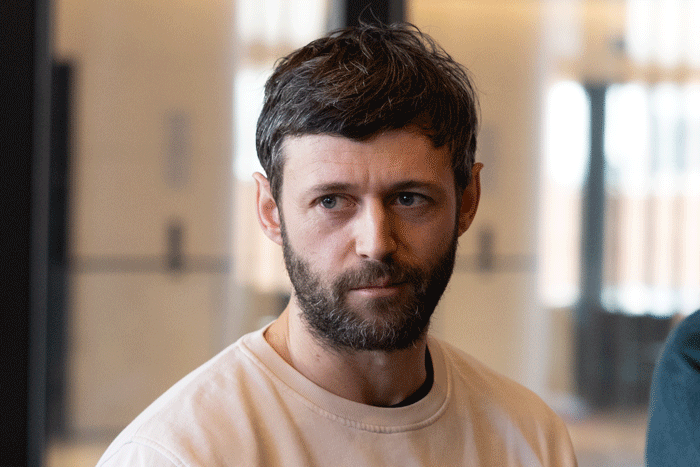
Alex Baumon-Lyons (Aendre Group)
Examples such as Equinox New York and Siro Dubai were referenced as early adopters, offering serious gyms, sleep optimisation, recovery therapies and genuinely healthy food. However, the group agreed that these models remain largely confined to premium or resort-led environments.
“What’s really missing,” Alex added, “is an accessible urban hotel that genuinely supports good habits rather than undermining them.”
Resort brands such as Six Senses were acknowledged for long embedding wellness at a strategic level, but the challenge remains translating that thinking into business-led urban hospitality. Jonny noted the emergence of ultra-luxury, performance-led models, pointing to Discovery Collection, founded by former Six Senses president Bernard Bohnenberger, as an example. Operating as a members-only concept, it places biohacking, medical expertise and nutrition at the centre of the experience, deliberately limiting unhealthy choices and promoting longevity.
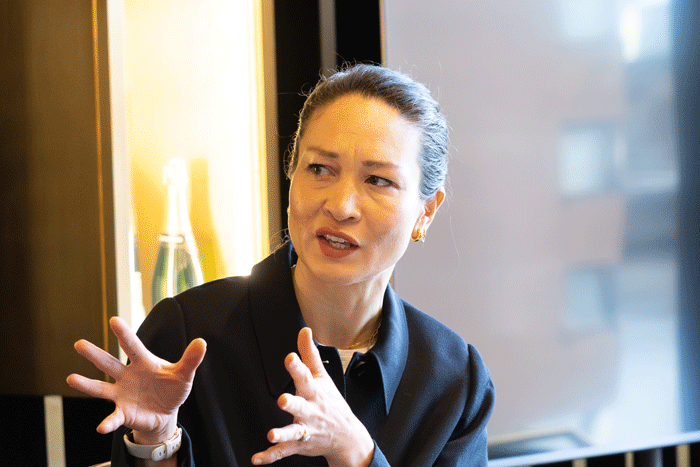
Laura brought the concept of recovery together, sharing how this performance-led mindset challenges long-held assumptions about hotel public spaces.
“There’s a mindset that the lobby should automatically be a social space with a bar,” she said. “But if you’re travelling for work, do you necessarily want to drink again that evening? You want a space to recover.”
She suggested that lobbies and public areas could be reimagined to better support rest and recalibration, adding that this “requires a shift in how we think about what those spaces are for, and what people actually need. If you removed the elements that encourage bad habits and focused instead on helping people feel better, that would be quite a big change!”
As an example, social wellness spaces such as Arc Community, Canary Wharf were discussed, where saunas and cold plunges replace the bar as the social, alcohol free, anchor.
Hospitality, Remote Work and Extended Stays, Including the “Both-And” Guest
From wellness, the conversation moved towards the blurring of hospitality, work and living. Sophie described how this plays out at Native Places, where guests may stay for a night, a month or a year.
“That range fundamentally changes how you design,” she explained. “Durability, storage, kitchens, lighting and desks all have to work harder.”
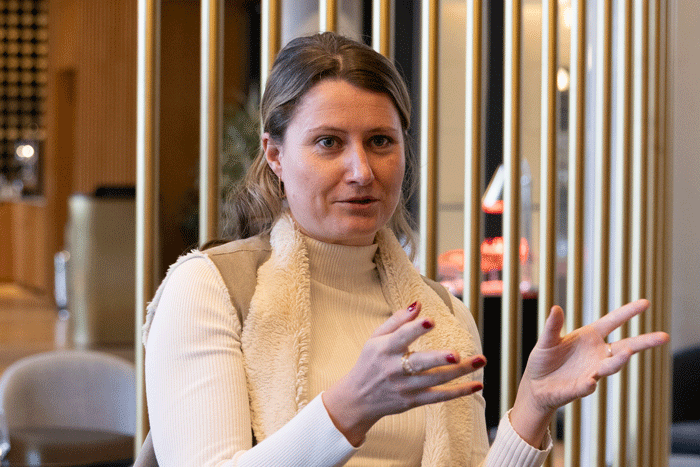
Sophie Gwilliam (Native by Numa)
From an operational standpoint, Sam reflected on how guest expectations shift depending on context and length of stay.
“Sometimes you don’t need hospitality – you just need service. But knowing there are people there when you do, that matters.” Sam added that trials of self-service check-in consistently showed low uptake. “Self-check-in never really landed when we tested it. However convenient, people still wanted that moment of connection – they were happy to say hello, to know there was someone there.”
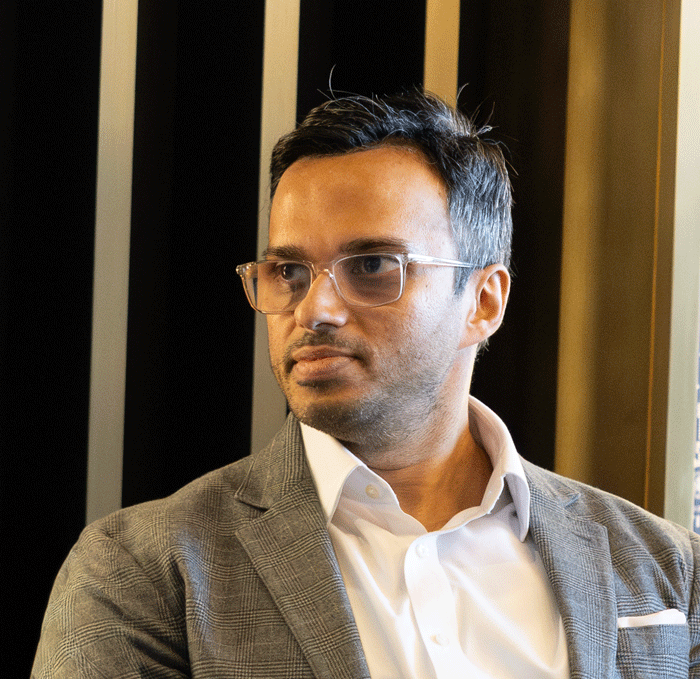
Philippa’s Future Guest research challenges outdated segmentation models. “The industry still designs for business or leisure travellers,” she said. “But most people are both, sometimes within the same week.”
A guest might arrive alone for work, host family midweek and socialise at the weekend. “Hospitality has to flex with that reality. Rigid typologies no longer make sense.”
This has direct implications for room design. Philippa referenced Pullman’s new concept, designed by 3 Stories, which rethinks the hotel room as a day-to-night environment. Desk placement, lighting and backdrops are designed to support work calls without defaulting to a bed-centric layout.
Alex highlighted the asset-level implications. “Owners are asking how spaces can be refreshed in eight or ten years without a full strip-out,” he said. “That requires better upfront thinking around materials and adaptability.”
Hybrid models such as &Soul in London were cited as early indicators of convergence between hotel, co-living and wellness, particularly for guests seeking flexibility rather than traditional formats.
Hospitality Settings as Civic Buildings, Community and Local Engagement
The final topic focused on hotels as civic anchors within cities. Ed posed the question directly: “Should hotels start behaving more like civic buildings?”
Jonny referenced the Chancery Rosewood in London as an example of how hospitality can shift from defensive architecture to civic engagement. “Historically, many prime London buildings turned inward,” he said. “What’s interesting now is how hospitality can unlock those facades, reintroduce permeability and create public routes that allow engagement without requiring people to formally enter as hotel guests.”
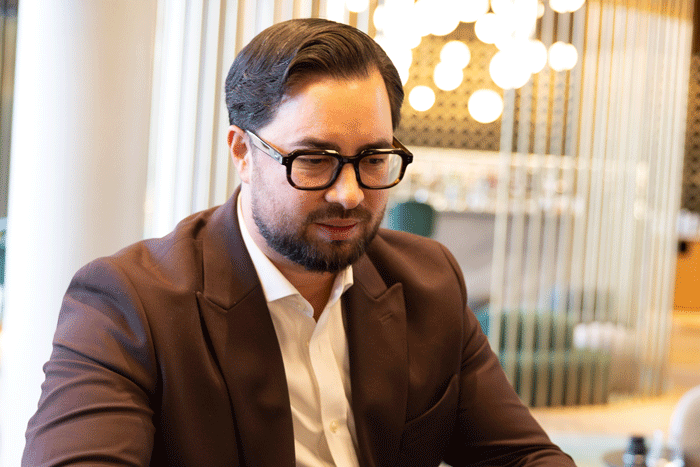
Rebeca shared her experience operating a hostel in Madrid that hosts more than 250 free community events each year. “It doesn’t have to cost the earth,” she said. “It just has to be meaningful.”
“For us, it’s about creating a meaningful opportunity for guests to integrate themselves into the local community,” Rebeca added. “It’s not necessarily a generational thing, and it doesn’t have to be about drinking or co-working. It’s about offering something that gives people a reason to come together.”
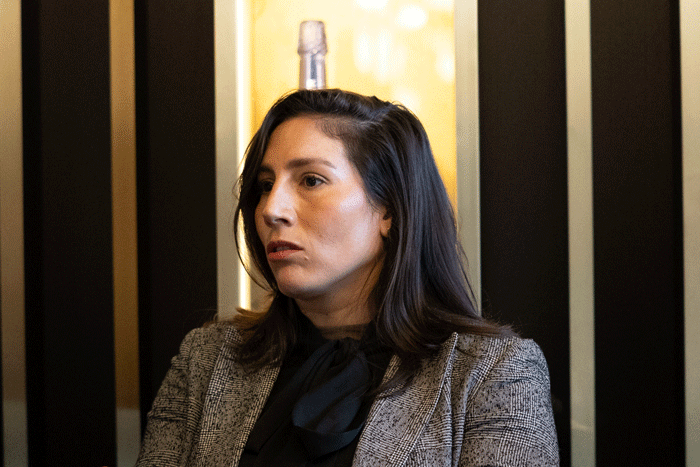
Rebeca Guzman Vidal (Curate Real Estate)
The group debated open access versus membership models, agreeing both can succeed when aligned with brand and context. “A lot of the tension comes down to ownership and time horizons,” Priya said. “Hospitality is fundamentally a long-term business, but many assets are owned by people looking at five-year exits. That’s where the mismatch happens.”
“When you find investors who are thinking about the long-term value of a place, not just the short-term return, that’s when narrative, community and design really start to align.”
Philippa stressed that community does not happen by accident. “It has to be designed, programmed and nurtured.”
Examples such as Roberta’s Society in Denmark were highlighted for successfully integrating cultural programming, local partnerships and a clear sense of purpose. The literary festival at the Fife Arms was also cited as a powerful example of aligning international cultural activity with local pride.
Digitalisation vs the Essence of Hospitality
Digitalisation was widely recognised as inevitable, but its execution prompted some of the most candid debate. Sophie noted that removing the reception desk places greater pressure on design to communicate reassurance instantly.
“You’ve got seconds to make someone feel comfortable,” she said.
Laura highlighted how digital-first hospitality can unintentionally undermine feelings of safety and control, particularly for solo travellers. She shared a personal experience of a fully contactless stay that felt unsettling rather than empowering.
“I stayed somewhere recently where there was no human check-in and you opened the door with your phone,” Laura said. “I actually opened the door while I was still at the airport.”
“As a female business traveller, it was not a positive experience,” she added. “I didn’t enjoy the fact that I could open the door remotely, and if your phone runs out of battery, what do you do?”
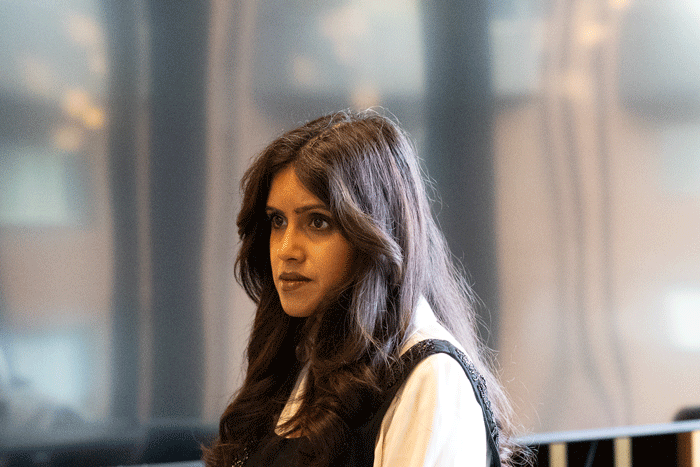
Priya Rawal (The Luxury Property Forum)
The conversation quickly exposed the tension between efficiency, cost-saving and hospitality.
“Brand isn’t a name above the door,” Priya said. “It’s how a place feels, and whether people want to come back. That value takes time to build, and it’s very easy to undermine it with short-term decisions.”
“There’s a difference between seamless and soulless,” Sam said. “People might appreciate speed, but very few prefer feeling like no one is there.”
“We trialled self-service check-in and uptake was incredibly low,” he said. “Most people were quite happy to say hello. They wanted to know someone was there.”
Jonny echoed this from extended-stay experience. “It just comes down to the essence of hospitality,” he said. “Cost savings and digital convenience have their place. But hospitality is fundamentally about connection. If presence disappears entirely, the experience risks becoming transactional.”
He added that trust is not only operational. “Architecture, lighting, points of arrival and sightlines all contribute to whether someone feels secure. I believe technology should support the experience without becoming its focal point.”
Sam added that trials of self-service check-in consistently showed low uptake. “People were happy to say hello. They wanted to know someone was there.”
Philippa reinforced this with research from the Berlin-based digital hospitality experiment, MM:NT Berlin Lab, where younger guests were often more anxious than older ones. “Their reliance on their phones made the risk of failure feel higher,” she explained.
Numa was discussed as an example of a digitally led model, reflecting a more nuanced position on digitalisation. While concerns were raised around certain technologies such as lock systems, it was emphasised that Numa’s digital approach is a core strength when implemented thoughtfully. Native by Numa operates a hybrid model: not all properties are fully reception-less, and some thrive with a traditional desk. Depending on scale and optimisation strategy, certain assets may not include a conventional front desk, which places greater importance on design and spatial communication. However, there is always a structured guest support system in place, and many properties maintain an on-site presence.
In Conclusion
Whether considering wellness, technology, hybrid living or community, the strongest insights pointed towards early collaboration, clarity of intent and genuine focus on people.
Hospitality, the group agreed, remains fundamentally human. And as formats continue to evolve, the challenge is not to chase trends, but to create places that are resilient, relevant and meaningfully connected to the lives they serve.