



Workplace Matters: Designing the Future of Workplace Dining
Workplace Matters is an editorial series exploring thought-provoking and knowledge-based perspectives on the workplace. Through expert insight and experience-led commentary, this monthly series sparks meaningful conversations and helps shape the evolving discourse around workplace design.
Workplace Matters continues with a timely contribution from Tansin Blankley, Senior Interior Designer at ABDA Design, who explores the future of workplace dining. Drawing on research, hospitality principles and behavioural insight, Tansin examines how food-led spaces can foster connection, strengthen culture, and create environments that encourage collaboration, belonging and shared purpose.
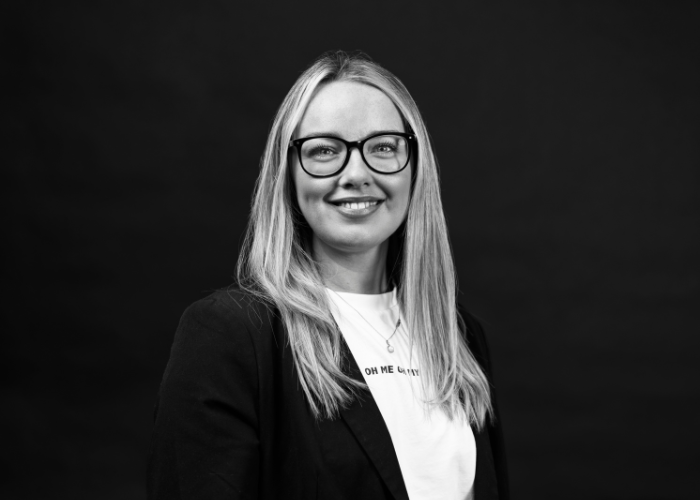
‘Creativity, collaboration, and innovation in the workplace have never been more important. Business leaders are constantly searching for new ways to bring teams together and strengthen workplace culture. In this edition of Workplace Matters, Tansin Blankley, senior designer at ABDA Design, explores how food and space can combine to create environments that improve collaboration, belonging, and provide a shared purpose.
Workspaces are evolving into vibrant hubs for creativity and community. After years of remote working, employers want employees to reconnect in person because face-to-face interaction builds trust and generates new ideas. Those human moments of shared energy, collaboration, and informal conversations over a tea-break, lunch or more formal meeting cannot be replicated virtually.
Research from Professor Robin Dunbar from the University of Oxford found that individuals who eat more frequently with others report higher levels of happiness, life satisfaction, and social connection. The World Happiness report co-authored by academics from Oxford, Gallup, Harvard, and UCL, examined data from 142 countries. It demonstrated that sharing meals is as strong an indicator of subjective well-being as income or employment. People with more shared meals report significantly higher life satisfaction and positive emotions.
“Magnetise people back, don’t mandate them”
At the recent Workplace Design Show, this quote resonated deeply with me. The focus now is on creating irresistible reasons to return to the workplace. This means tapping into the Fear of Missing Out (FOMO) through authentic, meaningful experiences. The food offer should be at the heart of these experiences.
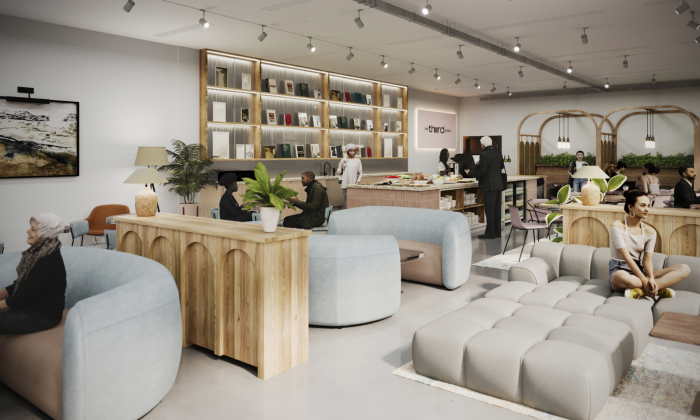
As hybrid working becomes the norm, workplaces must transform into a destination that entices people away from home. Businesses need dynamic, flexible spaces and planned events that bring a sense of belonging to a work environment. Here, hospitality can teach us so many valuable lessons. By creating a “home-from-home” feel through warm materials, textures, and thoughtful design elements, workplaces can become welcoming and safe environments to thrive.
Hospitality spaces are more than places to eat or drink
These days, hospitality environments are immersive experiences that turn everyday moments into memorable ones. Workplaces should mimic this approach. As interior designers, we have a key role to play in crafting these narratives, using storytelling to capture hearts, emotions, and engagement.
In foodservice, we’re seeing a clear shift toward fresh, customisable offerings, shared dining, and interactive experiences. I take my inspiration from hotel lounges, coworking hubs, and dining concepts which celebrate authenticity and a sense of community.
Layered, multi-use environments such as shared kitchens and co-working zones naturally encourage social interaction. Environments like this can blur boundaries between work and leisure, creating opportunities for natural collaboration and creativity.
We’ve worked closely with consumer psychologist Karen Winter, who said: “Sharing a thoughtfully curated meal in a well-designed space can help teams engage in meaningful conversations, build trust and community, whilst stimulating creativity.” At ABDA Design, we believe spaces must work harder and smarter, offering flexibility, adaptability, and emotional connection.
Designing for diversity and inclusion
Modern workplaces must also cater to multi-generational and neurodiverse teams. This means creating flexible spaces that support different working styles whether that’s large communal tables, side-by-side seating, or quiet solo zones. Understanding that everyone works differently is essential.
Designers must also consider personality differences. Some people thrive in lively, bustling environments, while others perform best in quiet, focused spaces. Employees should have the freedom to choose a setting that suits their mood or task at any given moment.
Purpose and emotion
The goal for us as designers is to create spaces with purpose, story, and emotion. This can be achieved by using authentic materials and supporting local supply chains, building an emotional connection through storytelling and considering the differences in generations and personalities.
If we get the workplace environment right, employees will be keen to visit for a shared experience that feels meaningful, inclusive, and inspiring.’