








From Runway to Restaurant: Why Dining Is Luxury’s New Frontier
A new chapter in luxury is unfolding. Here, WeWantMore Strategy Partner Sophie Maxwell examines how global restaurant culture, not fashion, is increasingly shaping luxury identity, access and influence, and why experiential dining is emerging as the sector’s most powerful status symbol.
While luxury fashion houses grapple with revolving creative directors, rising costs, declining sales, and brand fatigue, another kind of luxury is booming – the kind you can eat.
From Zuma’s global empire to Carbone’s viral spicy rigatoni, fine dining has emerged as the most accessible and fastest-growing expression of the luxury economy: a kind of “luxury theatre” priced at $200–$300 per head versus $2,000+ for a signature handbag. For the industry, it signals a strategic evolution: taste, quite literally, is becoming the new touchpoint of luxury.
As heritage fashion houses extend their reach beyond boutiques and ateliers into the world of gastronomy, dining has become the latest stage for brand storytelling. From Gucci Osteria’s Florence-born concept to Prada Caffè and Ralph’s (Lauren) Coffee, culinary experiences are emerging as the new couture — ephemeral, exclusive, and endlessly photographed.
When LVMH invested in London’s Gymkhana, it signalled something the city-dwelling affluent have known for years: luxury dining offers something a designer handbag can’t — it buys both experience and access.
For the price of an entry-level Gucci wallet, you could enjoy multiple evenings at the world’s most prestigious restaurants. The halo effect of ordering Nobu’s black cod miso or Hakkasan’s Peking duck delivers instant cultural capital without the long waitlists or financial commitment of traditional luxury items.
This isn’t just about saving money — it’s about redefining aspiration itself. In a post-COVID world where experiences trump possessions, Boomers and Millennials are driving an unprecedented boom in luxury hospitality.
Empty nesters with time and money are embracing the “treat yourself” economy: regular indulgence over rare splurge.
Richard Caring is opening in Saudi Arabia. Barrafina is heading to the Middle East, joining a wave of prestigious names staking their claim in the region. From Zuma and Nobu to Hakkasan and Carbone, Dubai has become the world’s most powerful laboratory for luxury dining’s global ambitions.
These restaurant empires are expanding at a pace that would make even fast fashion jealous, bringing their creative DNA — and brand prestige — to every corner of the world. The creative DNA behind these global brands is what enables them to travel. How luxury restaurants develop their concepts begins with narrative and heritage — whether it’s Carbone’s mid-century Italian-American glamour or Gymkhana’s homage to colonial Indian sporting clubs.
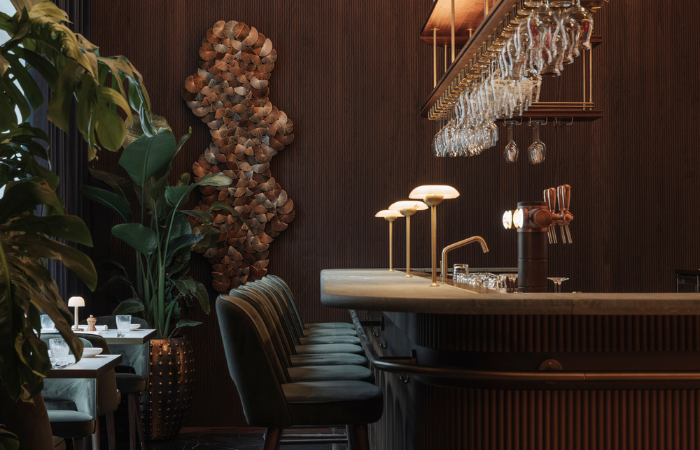
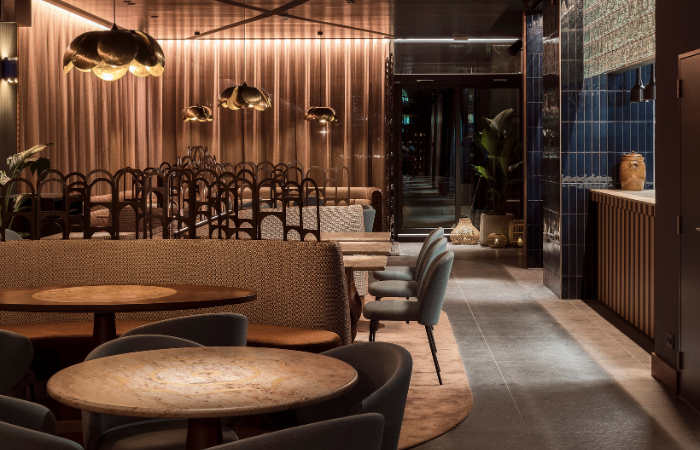
The chef operates as creative director and brand guardian, ensuring the vision translates across cultures without dilution. Interior design functions as stagecraft, creating theatre before the first course even arrives.
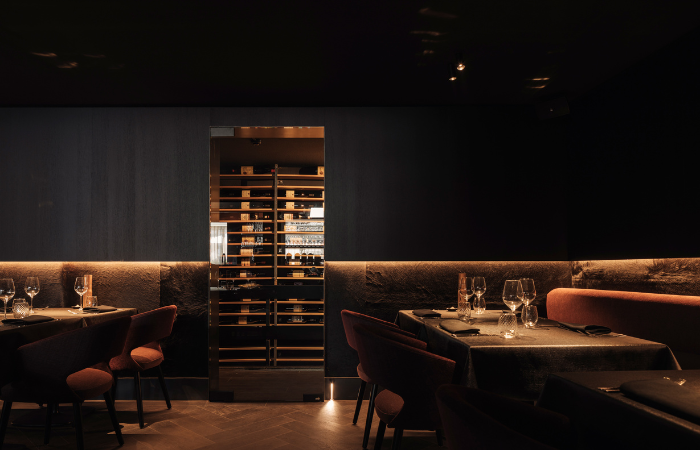
Take Carbone London: interiors by Ken Fulk, known for his cinematic, immersive environments, showcase art curated by Vito Schnabel, featuring works by Ai Weiwei, Francesco Clemente, David Salle, Rita Ackermann, and Julian Schnabel — a blend of 1950s New York sophistication with contemporary art-world credibility.
In parallel, material transparency has become the culinary equivalent of craftsmanship. Knowing your fish was caught this morning or that your beef hails from a specific Japanese prefecture adds layers of storytelling and justification for premium pricing.
The theatre of ingredient presentation — white truffles shaved tableside, A5 wagyu introduced with ceremony, caviar service as performance art — is central to the luxury experience.
Tableside preparation and sommelier interactions transform dining into participatory spectacle. Guests don’t just eat; they learn provenance, technique, and story. These aren’t merely meals — they’re cultural education and status symbols with built-in social-media ROI.
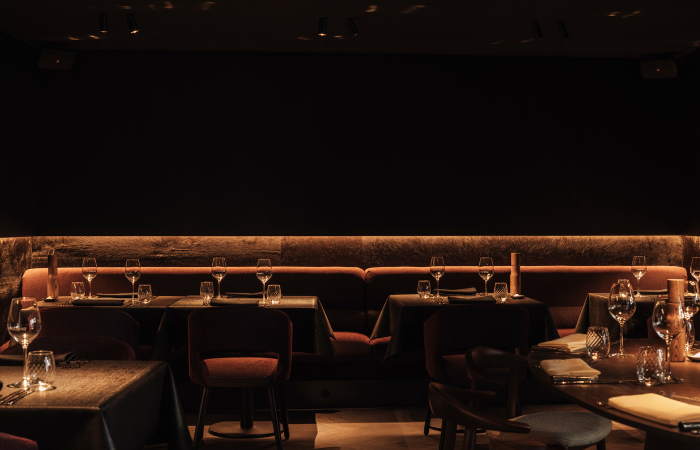
The economics are equally compelling. While luxury goods face volatile resale markets and fluctuating prices, a signature dish delivers consistent prestige. It’s shareable, Instagrammable, and repeatable. Premium office spaces are now incorporating high-end F&B; hotels are being built around restaurant concepts, offering all-day luxury from breakfast to nightcap.
Members’ clubs represent the ultimate integration of all these elements: dining, social spaces, workspaces, and cultural programming under one roof. The membership model is expanding rapidly, blurring boundaries in unexpected ways.
Kith’s first East Coast private club, opening this autumn, will feature high initiation fees, an Armani spa, an Erewhon tonic bar, and a restaurant by Café Mogador.
Meanwhile, the forthcoming 50 Duke — an internal members’ club at Selfridges’ Oxford Street flagship — will transform 630 square metres into a hybrid of retail, hospitality, private social space, and a private dining room. It’s a move emblematic of how modern luxury ecosystems now merge experience, commerce, and belonging.
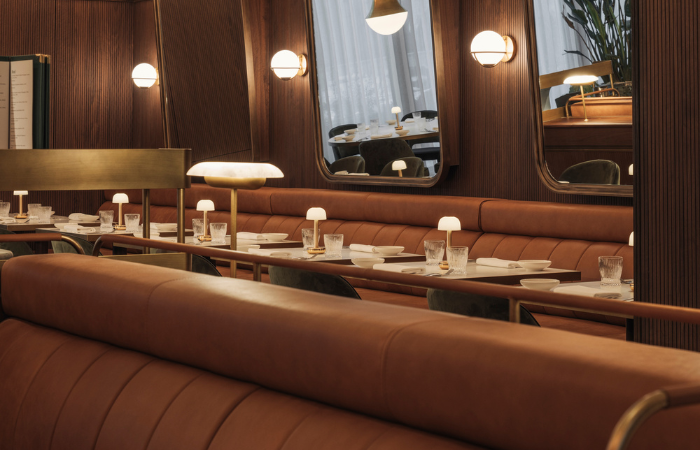
Many new clubs are anchored in luxury destinations like Naples and Singapore but designed to global standards of exclusivity, design, and programming. Local prestige meets global cachet. The lines between hospitality, workplace, and lifestyle are dissolving into one seamless luxury ecosystem, scaling through multiple revenue streams — dining, bars, private events, and licensing — while maintaining an aura of exclusivity.
And this is just the beginning. While Gen Z faces financial pressures that have them cutting holiday spending by 23% (compared to just 1% for Millennials), they’re pioneering what PwC calls “affordable affluence.” An $8 ceremonial matcha over an $8 lipstick — experiences that deliver self-improvement and cultural relevance without breaking the bank.
As this generation reaches peak earning years, they’ll bring those values with them, choosing multiple luxury dining experiences over single luxury purchases.
Luxury restaurants are perfecting the art of accessible prestige. Stories of provenance turn dinner into theatre. And at a fraction of the cost of traditional luxury, they’re quietly democratising exclusivity.
The message is clear: in the new luxury economy, you don’t need to own the bag to feel like you belong — you just need to know where to make a reservation.
By Sophie Maxwell, Strategy Partner at WeWantMore
All photography by Tijs Vervecken