




Location, Story, Experience: The New Recipe for Food and Beverage Design
The food and beverage sector has always understood that dining is about more than just the meal but recent projects suggest something deeper is happening. A fundamental shift in how commercial spaces think about their role in creating connection and meaning. Three recent projects, spanning from London’s riverside dining to Japanese minimalism and Dublin’s cocktail culture, reveal approaches that go well beyond traditional hospitality design.
The Art of Custom Everything
What strikes you immediately across these projects is the commitment to bespoke solutions over standard offerings.
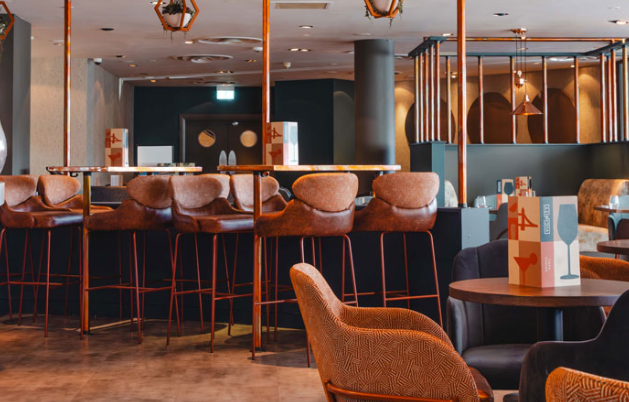
Furniture Fusion’s work at Vicinity Restaurant demonstrates this thinking perfectly. Rather than selecting existing pieces, Sam Samuels and his team worked with designer Abi Perry-Jones to create the bespoke EC1 London Chair in midnight blue velvet and custom Diamond high stools specifically for the Thames-side location. “Sam Samuels and team love an opportunity to create something special, with over two decades of experience in helping clients realise their vision and suggesting ways to make the finished furniture stand out from the crowd,” the project reveals.
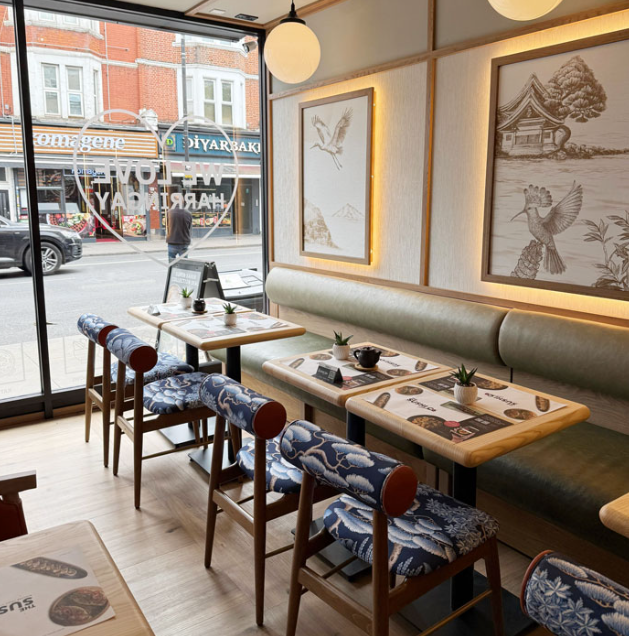
The Sushi Co took this approach even further, transforming archival prints into bespoke wall coverings that ground the space in authentic Japanese design principles. Design Command’s brief was to “create an elevated yet understated interior that enhances the freshness and craft behind the food, while remaining true to the brand’s roots in simplicity, quality and warmth.” The result uses materials and custom elements that feel genuinely connected to the cuisine’s cultural heritage.
Location as the Lead Character
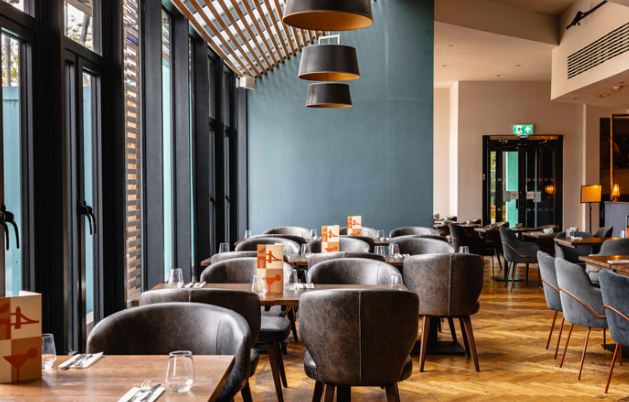
These projects treat their physical context as an active design element rather than something to work around. Vicinity is completely organised around those Tower Bridge views, offering multiple seating heights and sight lines so guests can curate their own relationship with the London skyline. The design team understood that the location itself needed to become part of the dining experience.
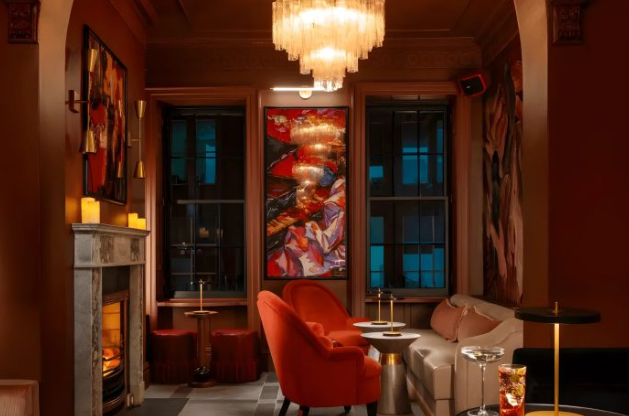
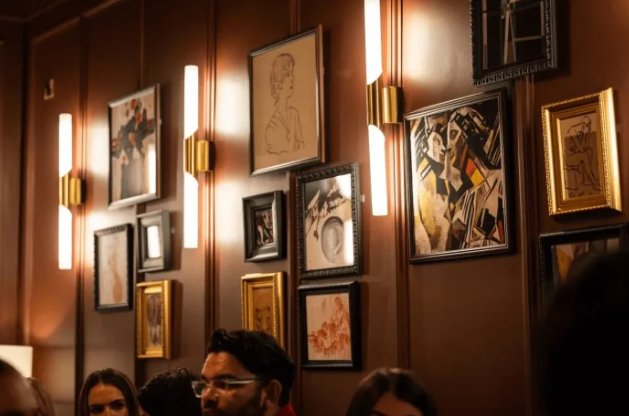
The Green Hotel’s approach shows how heritage architecture can drive contemporary design decisions. Spires Art worked within the existing Georgian framework, using “original Georgian detailing with bold contemporary flair” to create something that honors the building’s history while serving modern hospitality needs. Their custom artwork “pays homage to the golden age of literature, artistry and social connection,” directly referencing the cultural context of the location.
Experience Architecture Takes Center Stage
There’s a clear movement away from spaces that simply accommodate dining toward environments that actively shape how people spend their time. The Sushi Co explicitly designs for “a slower, more focused dining experience”, quite a statement in the fast-casual sector. The design “is grounded in the philosophy of kintsugi, with an emphasis on quiet detail and natural materials.”
The Green Hotel positions this thinking even more boldly. According to Spires Art, “The collaboration between Spires Art, 21 Spaces and the O’Callaghan Collection was built on a shared vision of creating a venue that feels more like an experience than a location.” Their curated artwork isn’t decorative afterthought but integral storytelling: “Each piece is more than visual decor, it’s part of a cohesive story.”
Vicinity takes a different approach, offering everything from intimate booth seating to elevated bar positions that let guests choose their own adventure with those views. The furniture “has been designed to let customers relax and enjoy their time at Vicinity, blending comfort with contemporary style.”
Materials That Communicate
What is notable across these projects is how thoughtfully materials are chosen to support the overall narrative. Vicinity’s copper finishes echo existing architectural details throughout the space, creating visual continuity that feels intentional rather than coincidental. The Sushi Co uses soft wood finishes and bamboo planting that speak directly to Japanese craftsmanship traditions, while their Zen-inspired fabrics enhance both comfort and cultural authenticity.
The Green Hotel demonstrates how materials can create atmosphere. Their “rich palette of burgundy, terracotta and oxblood” alongside Italian Murano glass chandeliers builds that theatrical, speakeasy mood they’re targeting. Nothing feels arbitrary.
Partnership-Driven Process
Perhaps most significantly, these projects reveal a shift toward genuinely collaborative relationships between design teams and suppliers. Spires Art specifically mentions “the value of integrating art consultancy early in the design process, allowing for creative synergy across all visual layers.” This isn’t about bringing specialists in at the end to fill gaps – it’s about building creative partnerships from the start.
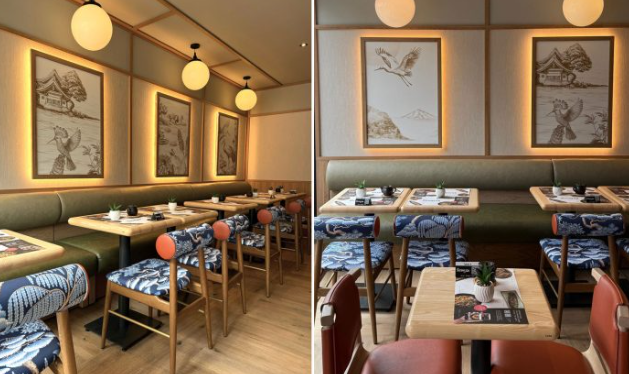
Design Command’s work with The Sushi Co shows similar thinking, with the design team clearly understanding the brand’s values around authenticity and simplicity before developing their aesthetic response. The result feels cohesive because all parties were working toward the same cultural and experiential goals.
Looking Forward
These projects point toward food and beverage spaces that understand their role extends well beyond serving meals and drinks. They’re creating environments where location, culture, story and comfort combine to deliver experiences that genuinely can’t be replicated elsewhere. For designers working in this sector, the message seems clear: success comes from understanding that every element – from custom furniture to material choices to artwork curation – needs to work together in service of a larger story about place and connection.
The question isn’t whether this approach will continue to gain ground, but how quickly other sectors will start adopting similar thinking about the relationship between space, experience and meaning.