


Column: Why design studios should invest in their Material libraries.
Monthly Column By Chiara Cantilena
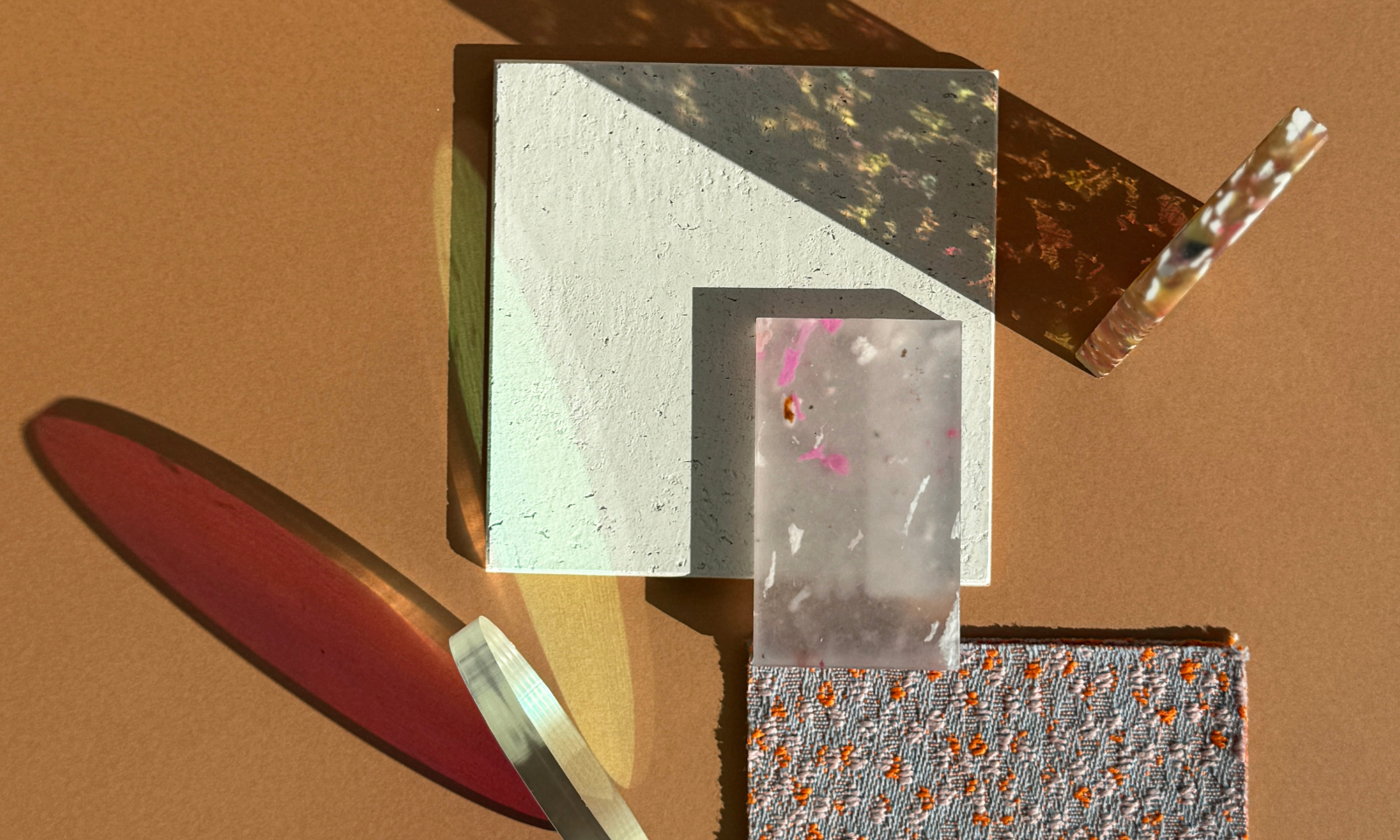
I have a clear recollection of walking into the sample library at my first-ever design studio. A two-metre squared little room stacked with cardboard boxes filled to the brim with material samples, overflowing rails with compacted fabric hangers and little stacks of tiles lining the floor along the perimeter of the room.
As an Architecture and Design student fresh out of university in Naples, the opportunities to be exposed to real-life materials had been few and far between. As packed and crammed as this room was, it felt like a treasure trove of colours, textures and patterns. There was seemingly no method to the madness, but it was a fantastic place to get lost into, trying to find the missing piece to a palette, somewhere at the bottom of a box.
As a result, this vast collection of materials was left to gather dust, with countless samples hidden from view, forgotten over time, or bleached by the sun, only ever being brought out when required.
Fast forward almost 20 years and Material libraries are still my happy place. I don’t just visit when a project demands it; I also go to, as I like to say, “stretch the creative muscle.” Starting with seemingly unrelated materials, I explore how they might connect, testing combinations to develop a visual language and uncover fresh narratives, unexpected relationships, and new points of inspiration.
That’s until I stop ‘playing’, the samples are put away, and that new piece of visual discovery is filed somewhere in my brain, in that place where my subconscious understands combinations of colours, textures and the emotions they elicit.
Giving structure to material libraries is not just a logistic matter for a Design Practice, it’s an investment in people’s ability to create a vision. As much as we often try, we can’t put words to the spaces we design. Our work is not made to be read and explained but to be lived, felt and understood by experience so, truly, our perpetual fascination with materials is nothing less than a language we develop to tell a story, evoke a sensation and inform millions of everyday choices.
I am always intrigued by the practical and philosophical similarities between different professions. None fascinates me more than the parallel between design and cuisine. Material libraries should be to designers what a vibrant market is to a chef.
Creative thinking needs constant feeding, testing, refining. As chefs do when trying to cook with unfamiliar flavours, we designers constantly refine our palate and hone our sensibility through pairing, assembling, taking apart, simplifying, enriching.
That is why a well-designed and more sophisticated library can inform, capture the imagination, spotlight the new, promote advancement and fresh ways of designing.
Curating materials opens new perspectives; it excites and has the potential to reveal hidden talents. It’s not until you see someone interacting with a material, moving it, placing it near another or simply discarding it, that you get a sense for what they are trying to say, what moves them and excites them.
It’s not until you see someone pairing colours in a way you didn’t expect that you realise we all use the same letters of the design alphabet but the words we write, are truly our own. So, reshape your libraries, give them a new legible anatomy and invite your junior teams to play for a bit.
See them fall in love with what they do, reshaping the language and subverting old notions of taste.
Our thanks to Chiara Cantilena for sharing the second instalment of her monthly Design Insider column. Discover her first article here.