




Design That Endures: What Recognition Really Means at Humanscale
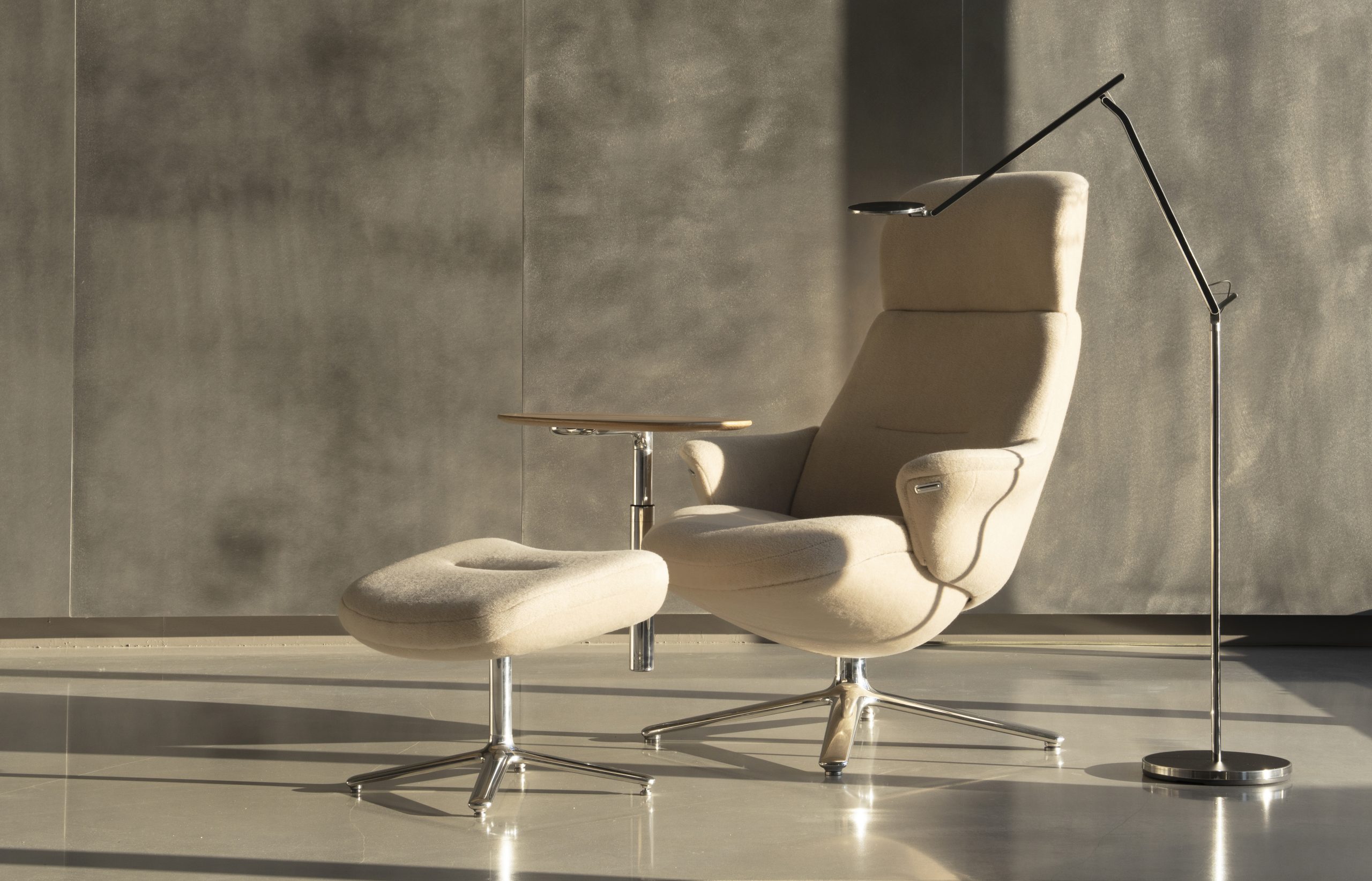
At Humanscale, design is not driven by trends or moments of visibility, but by a consistent commitment to human-centred performance, sustainability, and simplicity. Awards, in this context, are not an end point, but a reflection of a much deeper philosophy.
Following two 2026 iF Design Awards, we spoke with Sergio Silva to explore what recognition of this kind really means within a business built on long-term thinking.

Humanscale has built a strong reputation for design excellence over many years, and your latest award wins add another layer to that story, so when the business receives this kind of recognition, what does it mean internally, not just as a moment of celebration, but as an affirmation of the values, thinking, and long-term commitment that sit behind your work?
Recognition of this kind is always appreciated, but internally it means far more than a moment of celebration. Humanscale has always taken a long view of design. We’re not chasing trends or trying to stand out for the sake of it, we’re trying to create products that genuinely improve the lives of the people using them, year after year. Awards are a moment where that quiet, consistent work gets reflected back to us, and that carries real meaning for the teams behind it.
What it affirms, more than anything, is that the principles we’ve held onto for decades still resonate. Human-centered design, restraint, sustainability, and a belief that good engineering should disappear into the background of someone’s day. These are not easy things to commit to over the long term, particularly in an industry where novelty often gets rewarded over longevity. So when independent recognition arrives, it tells our designers and engineers that the discipline of staying true to those values is worth it.
It also has a galvanising effect across the business. Award wins remind everyone, from the studio to the factory floor, that the work they do connects to something larger than a single product launch. They reinforce a shared sense of purpose, and they encourage us to keep questioning, refining, and pushing ourselves. We’ve never seen recognition as a destination. If anything, it’s a prompt to ask what we can do better next.

The award process itself is also fascinating, particularly when entries are being assessed by expert judges alongside thousands of submissions from around the world, so could you talk about what it means to come through that level of scrutiny, and why recognition from an independent jury carries particular significance for your team and for the credibility of the achievement?
The credibility of an award is inseparable from the rigor of its judging process. When your work is evaluated by experienced, independent experts alongside thousands of global submissions, the recognition carries real weight. It means a product has been examined not only aesthetically, but in terms of innovation, functionality, and relevance.
For our team, coming through that level of scrutiny is especially meaningful because it mirrors the standards we hold ourselves to internally. We are our own toughest critics long before anything reaches the market, so independent validation confirms that what we value in the studio resonates well beyond it.
It also removes subjectivity from the equation. This isn’t self-declared success—it’s recognition earned through direct comparison with the best in the industry. That impartial perspective is what gives the achievement its credibility, and what gives our teams the confidence that their work stands up on a truly global stage.
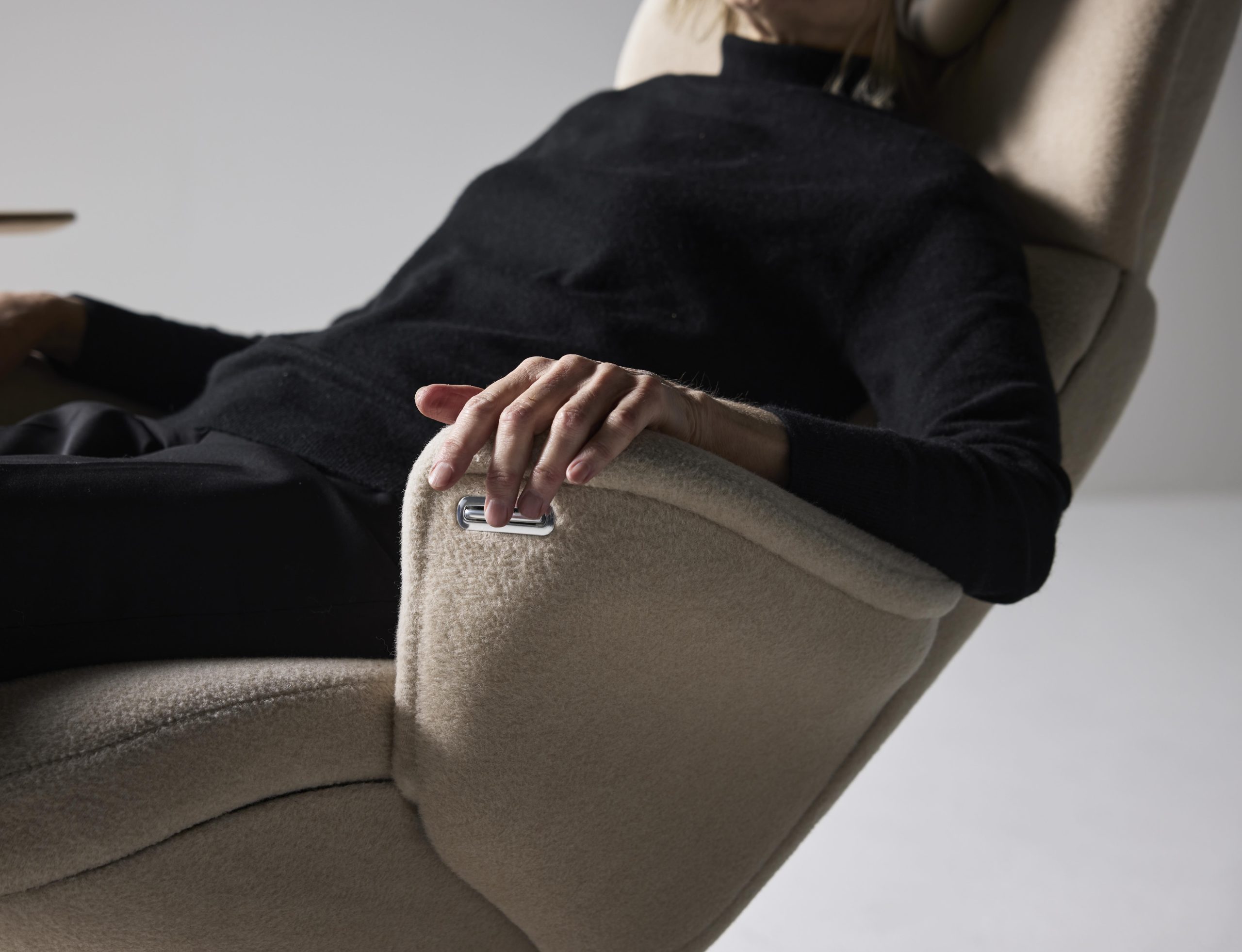
Awards can often be seen as external validation, but in a business like Humanscale, where design, ergonomics, sustainability, and usability are so closely intertwined, how important is recognition like this in demonstrating great product design?
At Humanscale, the disciplines you’ve mentioned aren’t separate considerations that get balanced against each other at the end of a project. They’re woven into the brief from day one. A chair that supports the body beautifully but compromises on materials isn’t a success for us, and neither is a product that looks elegant but fails the person sitting in it after an hour. Everything has to work together, or it doesn’t work at all.
That’s where recognition becomes genuinely useful. Awards give us a way of showing, rather than telling, that this integrated approach produces better products. It’s one thing to talk about the relationship between ergonomics and sustainability, or between usability and longevity. It’s another to have independent experts confirm that the result holds up against the best in the industry. Recognition translates that philosophy into something people can immediately grasp.
What it demonstrates most clearly is that great product design isn’t any single quality in isolation. It’s the discipline of refusing to trade one off against another. When awards acknowledge that, they reinforce the idea that thoughtful, responsible design and high performance are not competing goals. They’re the same goal, approached honestly. For us, that’s the most valuable thing external recognition can do, remind the wider industry, and our customers, that design at its best is quietly doing many things at once.
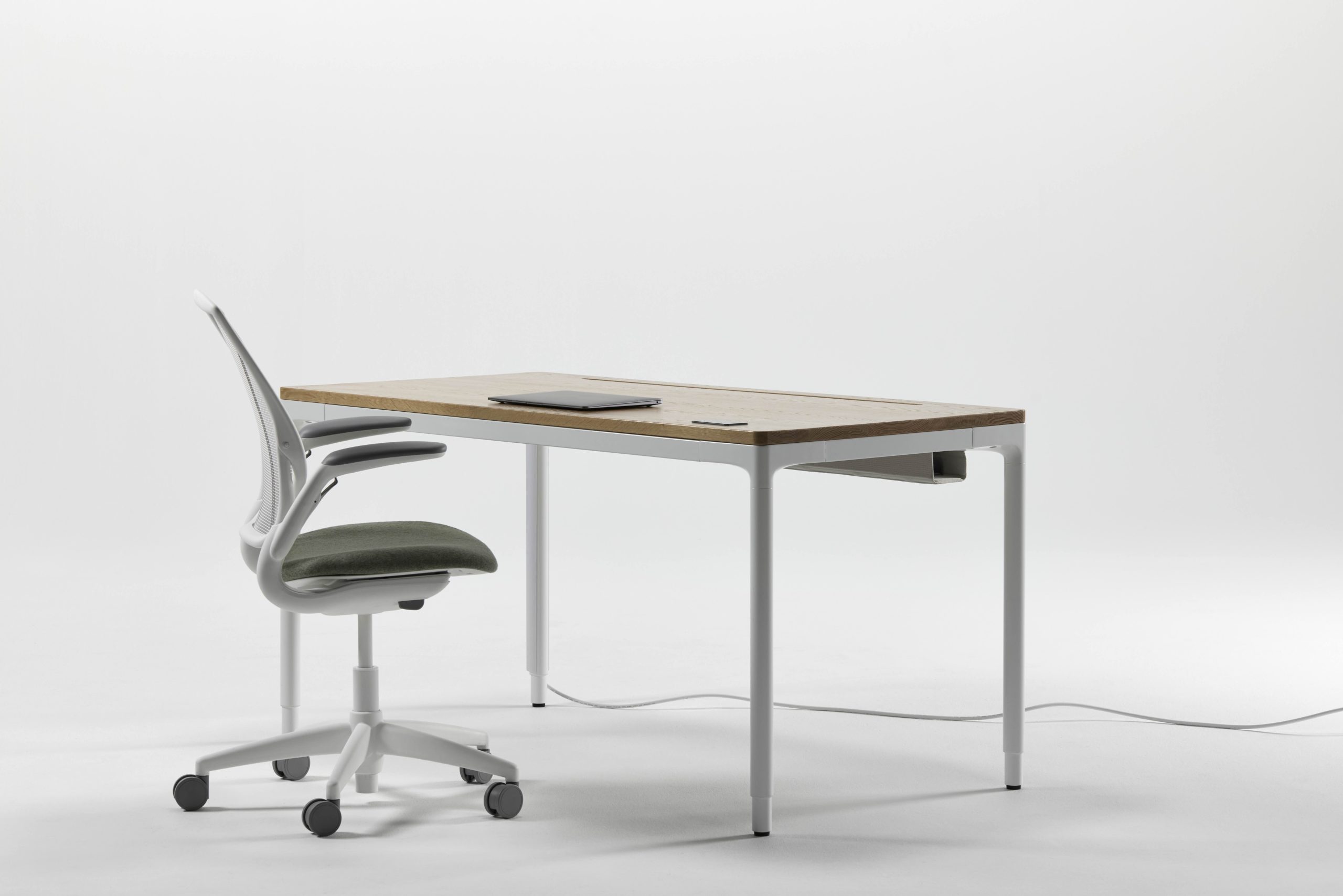
From the customer’s perspective, how do awards help communicate the depth of thought behind a product, particularly when clients are looking for solutions that must balance performance, longevity, environmental responsibility, and user wellbeing, and what do you hope this kind of recognition reassures them about when choosing Humanscale?
Customers today are making more considered decisions than ever. They’re not just buying a product, they’re investing in something that needs to perform reliably over many years, support the wellbeing of the people using it, and align with their wider sustainability commitments. That’s a lot to weigh up, and awards can act as a useful shortcut. They signal that independent experts have already scrutinized the product across many of the same criteria a client cares about.
For us, recognition helps communicate something that isn’t always easy to convey in a specification sheet: the depth of thinking behind a product. Every Humanscale solution is the result of years of research, testing, and refinement, and awards offer a credible, external way of pointing to that rigor. They tell the story of the work in a language clients trust.
What we hope this kind of recognition reassures customers about is straightforward. When they choose Humanscale, they’re choosing a partner whose values are consistent with their own. They can be confident that the product in front of them has been designed responsibly, engineered to last, and created with the wellbeing of the end user at its core. In a market full of competing claims, that reassurance matters, and we believe it’s something customers should be able to feel as much as see.
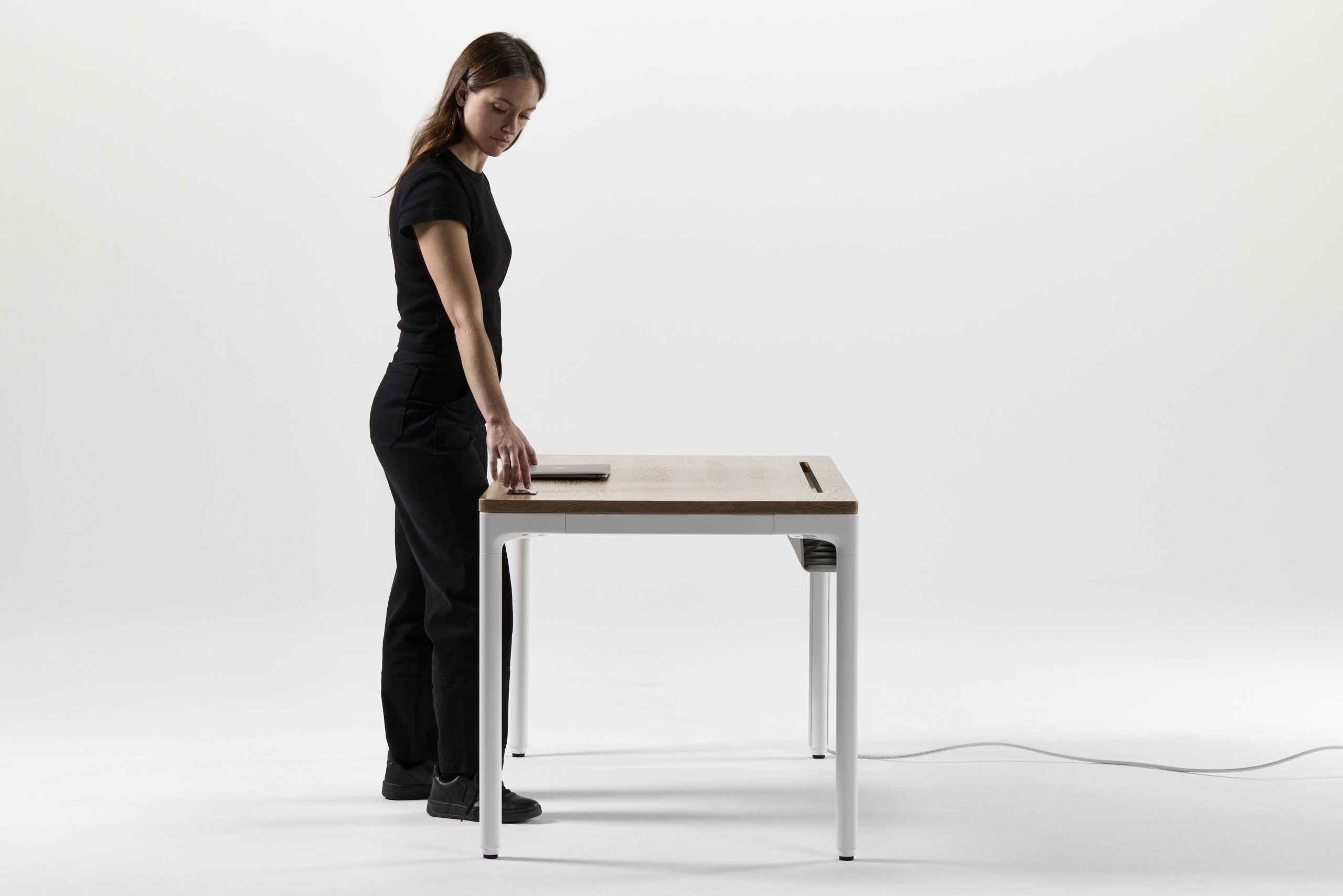
Awards also have the power to influence the wider commercial interiors sector, so how do you think recognition for products like these helps raise expectations across the industry, whether in terms of human-centred design, sustainability standards, or the level of innovation customers should now expect from workplace furniture?
When a product wins an award, the conversation doesn’t stay within the four walls of the company that made it. It becomes visible to competitors, specifiers, architects, and end users, and it quietly resets the benchmark for what good looks like. That ripple effect is one of the most valuable things about industry recognition.
For Humanscale, this matters because so much of what we’ve championed for years, sustainability that goes beyond compliance, ergonomics grounded in real science, simplicity as a design principle, was once seen as niche or secondary. When these qualities are consistently recognised alongside, and often ahead of, more conventional measures of design excellence, it sends a clear signal to the market. It tells the industry that these standards are no longer optional. Customers notice, and over time, they begin to expect them from everyone.
That’s ultimately a good thing for the sector as a whole. We welcome a higher bar. If our work encourages other manufacturers to take sustainability more seriously, or to invest more deeply in the ergonomic performance of their products, the entire industry benefits and, more importantly, so do the people using the furniture every day. We’d rather compete in a market where the baseline keeps rising than one where it stands still.

Sergio Silva is Vice President of Design and Innovation at Humanscale, where he leads the company’s award-winning design studio. Under his direction, the team has been recognised with some of the industry’s most respected honours, including Red Dot, iF, Dezeen, and Metropolis awards, among others.
A self-described minimalist at heart, Sergio believes great design should be purpose-driven — achieving a thoughtful equilibrium between function, user experience, and aesthetics. His approach is rooted in clarity, simplicity, and performance, ensuring every product is as intuitive as it is refined.
In his role, Sergio oversees design and innovation across Humanscale’s global product portfolio, guiding the development of solutions that enhance the modern workplace. With a strong commitment to sustainability and well-being, he focuses on creating products that support both human health and environmental responsibility, aligning design excellence with long-term impact.
Find Humanscale on Supplier Finder
Supplier Finder is the UK’s only search platform for accredited suppliers of commercial interior furnishings.
At Supplier Finder, our mission is simple: to help you find the perfect commercial furnishing suppliers for your interior schemes and projects. We understand the importance of having confidence in the suppliers you specify and the products that bring your designs to life. That’s why each supplier featured on our platform is accredited through Commercial Interiors UK’s rigorous membership application process. This ensures that you engage with only the best in the industry!