



Beyond the Blue: Studio Sixty7 on Designing a Deeper Sense of Place in the Maldives
The Maldives has an instantly recognisable visual identity: turquoise lagoons, white sand and an architecture of escape. For Studio Sixty7, designing hospitality interiors here means looking beyond these familiar images to explore a richer story of landscape, culture, craft and local life.
Across projects for Sun Siyam at Iru Fushi, Olhuveli and Vilu Reef, the studio has drawn inspiration from less familiar perspectives, from coconut palms, pandanus and filtered light to local materials and craftsmanship. Each property interprets this differently. Olhuveli brings planting into the interior, Iru Fushi uses muted tones and tactile surfaces, while Vilu Reef looks to the deeper indigo of the open ocean.
We spoke with Lee McNichol and Jose Rivero Gallardo, Co-founders and Creative Directors of Studio Sixty7, about researching destinations beyond the obvious, translating cultural references with sensitivity, collaborating with local artisans and using materiality, colour and craft to create a stronger emotional sense of place.
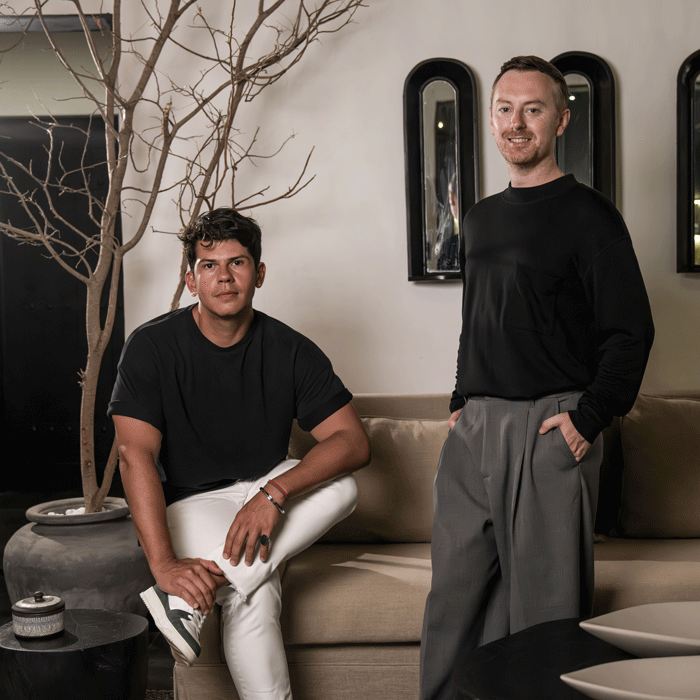
Lee McNichol and Jose Rivero Gallardo, Co-founders and Creative Directors of Studio Sixty7
Could you begin by introducing Studio Sixty7, your roles within the studio?
Studio Sixty7 Interiors is an interior design atelier that creates thoughtful, functional, and aesthetically driven spaces for both residential and commercial clients. Our work centres on developing interiors that reflect each client’s lifestyle, vision, and practical needs while maintaining a strong focus on quality, craftsmanship, and attention to detail.
Within the studio, our roles cover all aspects of the design process. We work closely with clients from the initial consultation and concept development through space planning, material and furniture selection, project coordination, and final installation. For us, it is important that we are hands-on with all our projects, with our amazing team, from start to finish.
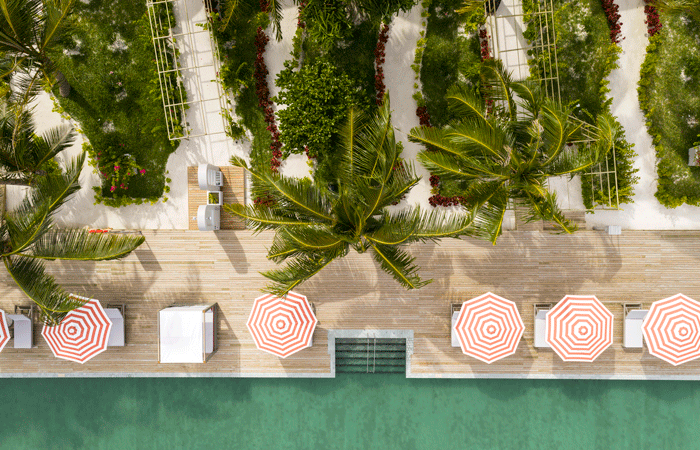
Olhuveli Beach Pavilion
Your Maldives work moves beyond the familiar image of turquoise water, white sand and resort luxury. How do you begin to understand a destination in a more culturally specific way?
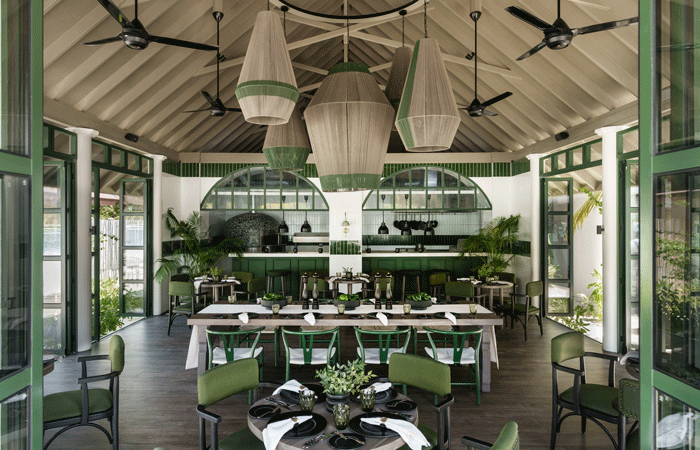
At Sun Siyam Iru Fushi and Olhuveli, you looked to the indigenous landscape, particularly coconut palms, pandanus, breadfruit and filtered light. What drew you to that inland perspective?
The distinction between green as land and blue as sea feels central to these projects. How did that idea influence the palette, atmosphere and spatial experience?
The contrast between the island’s lush interior and the surrounding ocean became a key design principle. Rather than focusing solely on the sea, we wanted the interiors to reflect the richness of the landscape, using earthy tones, warm timber tones, natural textures, and subtle colour accents to create a balanced palette.
This approach also shaped the atmosphere. Filtered light through crittal glass or plastered curved walls, organic materials, and layered textures evoke the calm of the island’s vegetation, while the spatial experience mirrors the transition from shaded inland spaces to the openness of the coast. The result is a design that feels grounded in the island’s natural environment rather than relying on familiar tropical clichés.
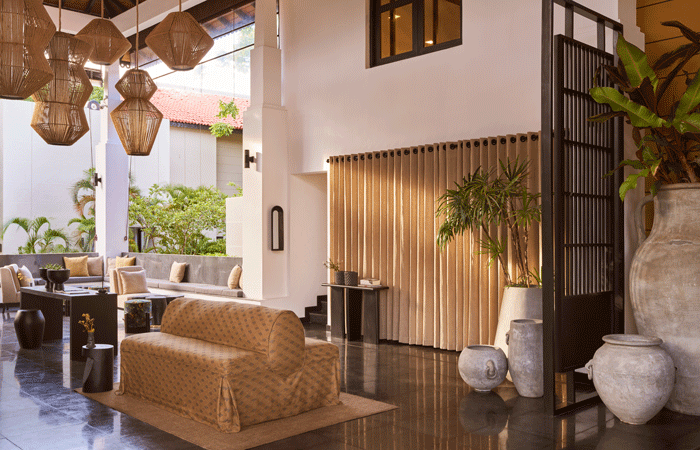
Sri Lanka – Pasikudah hotel, Lobby
Olhuveli uses interior planting to blur inside and outside, while Iru Fushi is more restrained, with muted tones and tactile surfaces. How did each project develop its own identity?
Although both projects were inspired by the Maldivian landscape, each developed its own identity through the design process in response to the site and guest experience. At Olhuveli, interior planting was used to strengthen the connection between indoors and outdoors, particularly in the public areas, such as Milano and Crust and Flame, creating a more immersive, tropical atmosphere where nature becomes part of the interior.
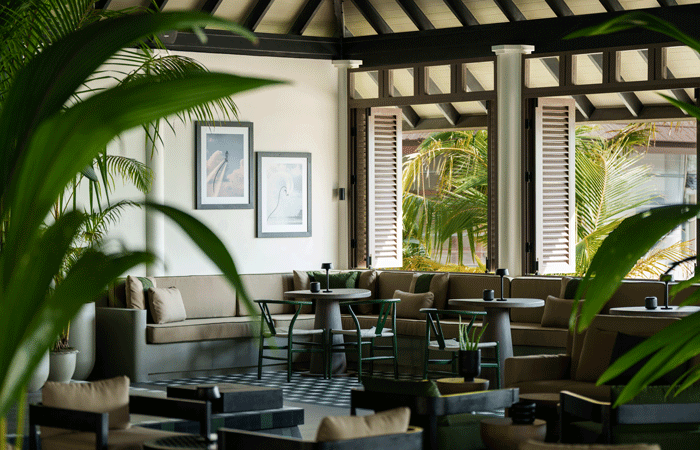
Sun Siyam Olhuveli, Entertainment Space
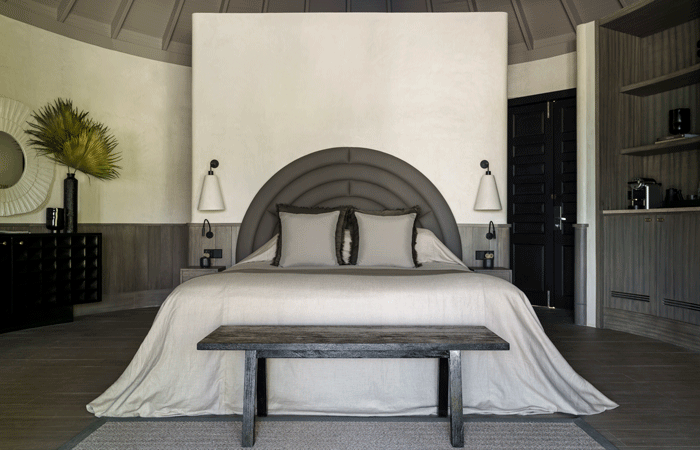
At Iru Fushi, the approach was more understated. We focused on muted colours, natural materials, plaster walls, and tactile finishes to create a calm, refined environment. Rather than making nature a dominant feature, we referenced it through texture, tone, and carefully selected materials, resulting in a quieter and more relaxed experience. A phrase often used but is so true for this resort is that it evokes barefoot luxury.
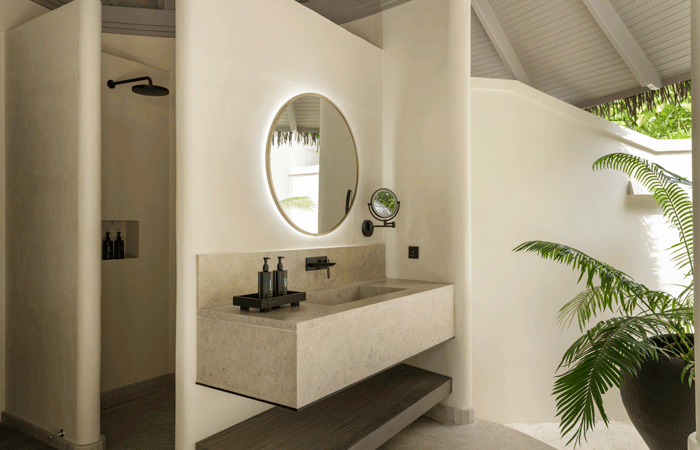
Sun Siyam Iru Fushi, Beach Villa
At Sun Siyam Vilu Reef, the Water Villa looks to deeper indigo water rather than the lagoon. What prompted this shift, and how did it shape the project’s emotional and material language?
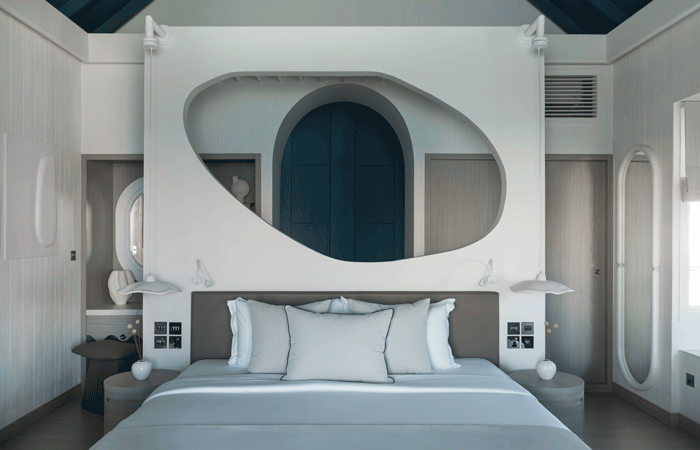
The Water Villa brings together rich blue architectural details, pale timber, marble and handcrafted textiles. How do materiality and texture help create a guest experience rooted in place?
Materiality and texture are fundamental to creating a sense of place and something we at Studio Sixty7 always strive to achieve. In the Water Villa, we combined rich deep blue architectural details with pale timber, natural stone details, marble, and handcrafted textiles to reflect the colours and textures of the surrounding environment. Each material was chosen not only for its aesthetic qualities but also for the atmosphere it creates.
The contrast between smooth and tactile surfaces adds warmth, depth, and comfort, encouraging guests to engage with the space on a sensory level. By using natural materials and locally inspired craftsmanship, the interiors feel authentic and connected to the Maldives, creating an experience that is both luxurious and rooted in its surroundings.
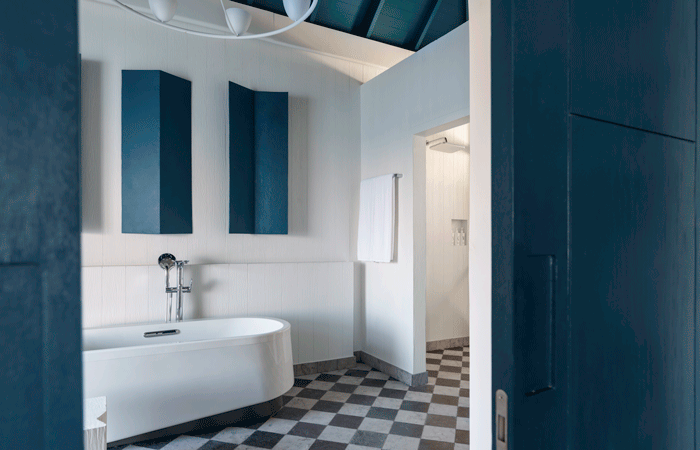
Vilu Reef New Water, Villa
How do you work with local artisans and craftspeople to support genuine design narratives, rather than simply adding decorative references to place?
Working with local artisans is about collaboration from the beginning of the design process, not simply incorporating handcrafted pieces at the end. It is important for us to understand local materials, techniques, and cultural traditions, then explore how they can be interpreted in a contemporary way.
This approach ensures that craftsmanship becomes part of the project’s identity rather than a decorative reference. Whether through bespoke furniture, woven textiles, or locally inspired detailing, these collaborations add authenticity, showcase local skills, and create spaces that feel genuinely connected to where they are.
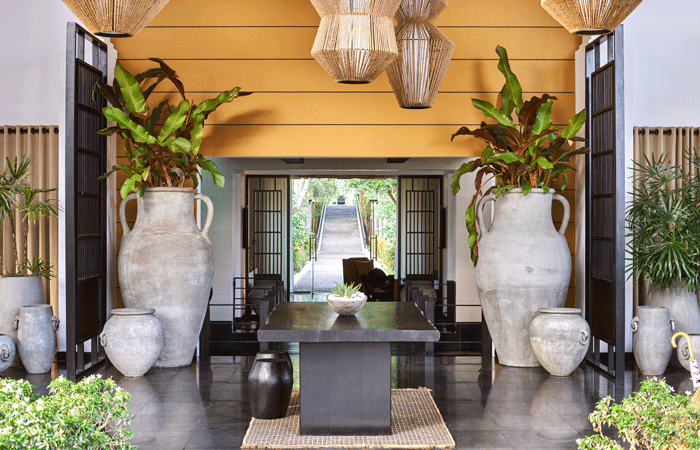
Sri Lanka – Pasikudah hotel, Lobby
In contemporary luxury hospitality, how do you balance international guest expectations with cultural heritage, local identity and a sense of emotional connection?
Our approach is to understand the local culture, landscape, materials, and traditions, then translate those elements into a refined and contemporary design language. The goal is not to replicate heritage, but to interpret it thoughtfully through the designs while having the guest’s comfort and experience in mind.
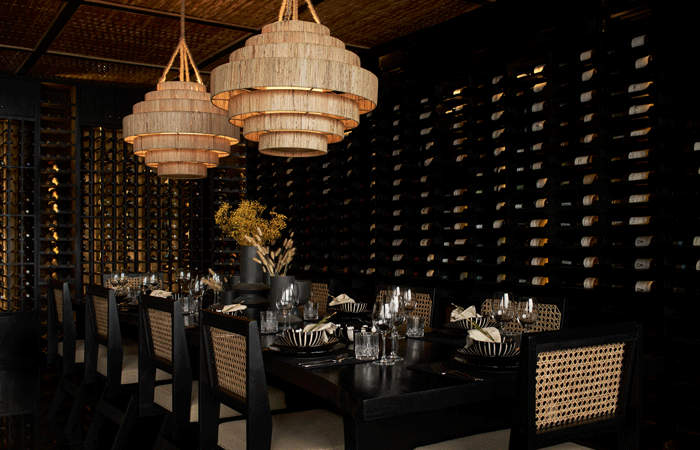
Looking ahead, how do you see Studio Sixty7 developing its design language across projects shaped by travel, cultural immersion, craft and context?
Looking ahead, we see Studio Sixty7 continuing to develop a design language that is both storytelling and human experience. Each project presents an opportunity to learn from a new place—its landscape, culture, materials, and traditions—and translate those influences into spaces that feel authentic and meaningful. We love that we are lucky to be able to travel and see new places within our work.
Travel and culture will continue to play an important role in shaping our approach, allowing us to discover new perspectives and collaborate with local craftspeople. Finding local treasures is something that we believe allows us to enhance the overall design and experience that we are trying to create. We want our work to move beyond visual aesthetics and create environments that evoke emotion, connection, and a lasting sense of place.
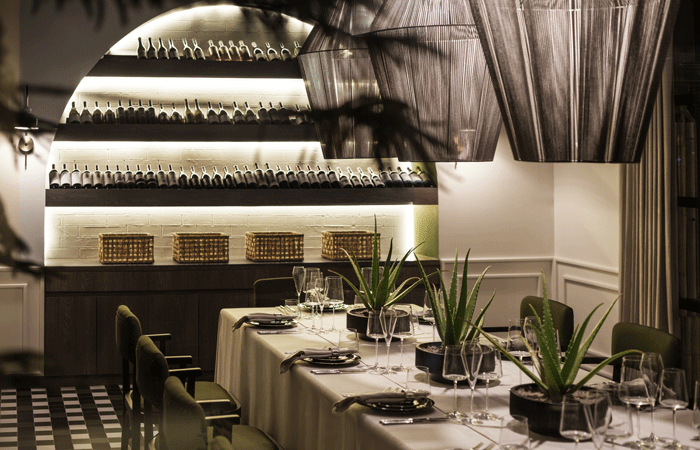
Sun Siyam Olhuveli, Private Dining
Ultimately, our aim is to create interiors that are timeless rather than trend-led—spaces that respect their surroundings while offering a contemporary expression of luxury, comfort, and individuality while making sure we have fun along the way. This is truly the best job in the world, creating spaces for all to enjoy.