





Beyond Adaptation: David Osborne on Making Accessible Design Mainstream
What if the best accessible design is the kind you barely notice? As expectations around inclusive and futureproofed bathrooms continue to grow, accessibility is increasingly moving away from specialist adaptations and into the mainstream of good design.
In this Q&A, David Osborne, CEO of Roman, explores how thoughtful product design can quietly remove barriers without compromising on aesthetics, why accessible bathrooms are becoming increasingly important for retailers and designers, and whether accessibility should ultimately be the starting point for every bathroom.

How do you define accessible bathroom design and why has it become important to bathroom retailers?
An accessible bathroom is one that’s designed to be safe, comfortable, and easy to use for anyone with reduced mobility, using features like level access showers, wider entry points, supportive grab rails, and thoughtfully positioned fixtures. It has become increasingly important to bathroom retailers because the UK has a growing ageing population; more people choosing to adapt their homes rather than move; and a rising expectation for inclusive, futureproof design – making accessibility not just a specialist option but a mainstream customer need.

Who is the target market?
Accessible bathrooms are designed for older adults wanting to maintain independence, people with disabilities or reduced mobility, those recovering from injury or surgery, and families or carers who need safer, easier everyday routines, as well as homeowners planning ahead to future proof their homes.
How has your portfolio developed to meet the accessible bathroom market?
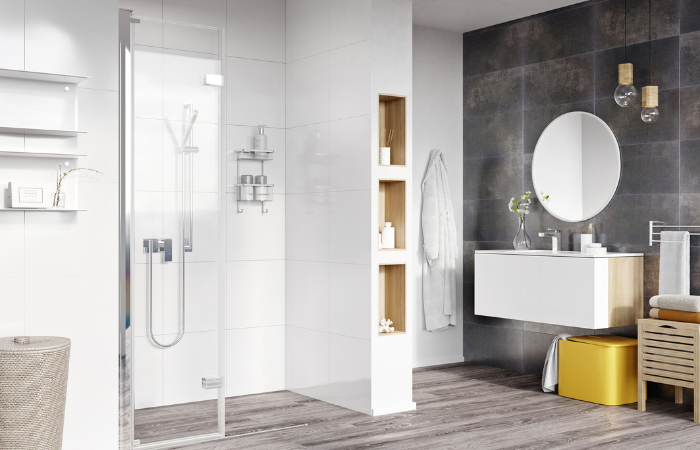
Roman has been leading the way in accessible, inclusive design for more than 30 years. It’s easy to forget that lowlevel trays, removing the traditional step, were among the company’s earliest breakthroughs in improving bathroom accessibility. Of the 16.8 million people covered under the Disability Discrimination Act (1995), over 60% live with arthritis or musculoskeletal conditions. This represents a significant proportion of the population who are likely to benefit from accessible bathroom solutions. Where you remove a step or make an opening operation easy, Wetroom Panels and Flipper Panels have come to the fore.
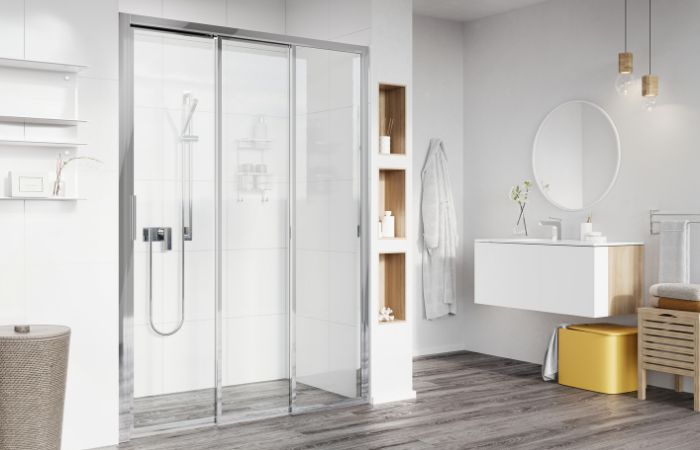
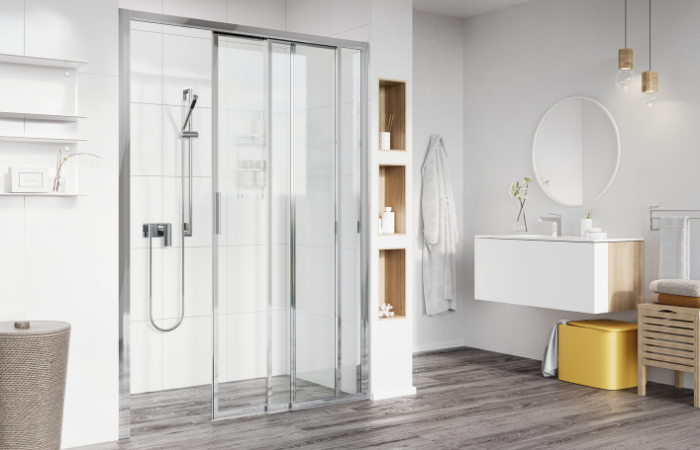
Roman have just launched the new 3 Panel Slider. The product comes in Polished Chrome and has no bottom rail or threshold – the fixed panel aligns with the inside lip of the shower tray. Within the Roman Access range, customers can also find Pivoting Wetroom Panels and Folding Wetroom Panels, both of which offer accessible solutions that blend seamlessly into any bathroom. Roman’s longstanding commitment to inclusive design ensures these needs are not only met, but met seamlessly.
What do designers need to consider when creating an accessible bathroom in terms of products and layout?
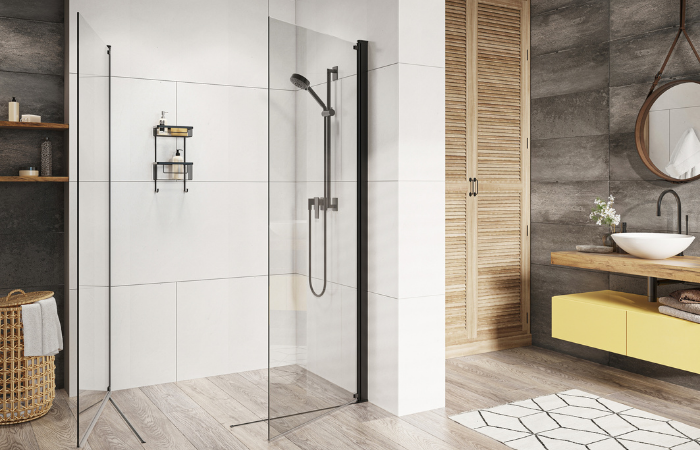
The real challenge lies in creating designs that are both stylish and genuinely inclusive. By removing the need for a step with the Shower Tray, and incorporating integrated handles within Wetroom Panels, Roman has achieved exactly that. We believe inclusive products should blend effortlessly into their surroundings rather than stand out as adaptations.
We have recently launched the Haven Access 3 Panel Sliding Door in Polished Chrome, which is available in the new Roman Haven Trade Guide. The door moves as one in a synchronised action, has no bottom rail or threshold, and the fixed panel is aligned to the inside edge of the shower tray – with the 2 sliding panels sitting inside the wet area.
The openings offered by the products are huge and offer major benefits for assisted showering or wider access requirements. The 1200mm version has an opening of 671mm which offers easy wheelchair access if required. A dedicated side panel is available if the layout requires a corner installation.
This product is newly launched to the market and is a genuine breakthrough in accessible showering.
How can designers balance purpose with high-level bathroom aesthetics?
When thinking about the aesthetics of any bathroom, it’s worth asking: who is this space really for? In most cases, the answer spans a wide age range. Roman’s multigenerational product offering is designed to bridge that gap, ensuring every user can enjoy a beautifully designed, accessible bathroom environment.
How is it best to display accessible bathrooms in a showroom?
The best way to display accessible bathrooms in a showroom is to present them as fully designed, contemporary room sets that feel aspirational rather than clinical, using levelaccess showers, supportive features and clever layouts to show how accessibility can blend seamlessly with modern style. Clear signage, simple explanations and handson demonstrations help customers understand how each element improves comfort, confidence and independence, while also reinforcing that accessible design can be both practical and beautifully considered.
What training do staff need to be able to tap into the accessible bathroom market for sensitive consultations?
Staff need a blend of practical product knowledge and sensitive communication skills, including a clear understanding of mobility needs, training in how accessible features support safety and independence, and the confidence to guide customers through personal conversations with empathy and discretion. They should also be trained to carry out respectful needs based assessments, recognise when to involve occupational therapists or specialist partners, and understand relevant regulations and best practice design principles, so they can offer informed, reassuring advice throughout what can often be an emotional or complex decision making process.
Ultimately, should accessibility be a starting point for all bathrooms?
The accessible bathroom products market is clearly shifting towards solutions that deliver inclusivity without looking like adaptations. As more households span multiple generations and with millions in the UK living with arthritis or musculoskeletal conditions, the expectation is for beautifully designed spaces that quietly remove barriers. Low-level trays, threshold-free entry and easy-operation Panels are becoming standard features rather than specialist options.
Roman continues to lead the way by merging style with genuine usability. The new 3 Panel Slider, with its Polished Chrome finish and no bottom rail, reflects exactly where the market is heading. On top of this, the Roman Access range – including Pivoting and Folding Wetroom Panels – demonstrates how inclusive design can blend seamlessly into any bathroom. As demand grows, the future lies in products that feel premium; look contemporary; and work effortlessly for every user -regardless of age or ability.
Supplier Finder is the UK’s only search platform for accredited suppliers of commercial interior furnishings.
At Supplier Finder, our mission is simple: to help you find the perfect commercial furnishing suppliers for your interior schemes and projects. We understand the importance of having confidence in the suppliers you specify and the products that bring your designs to life. That’s why each supplier featured on our platform is accredited through Commercial Interiors UK’s rigorous membership application process. This ensures that you engage with only the best in the industry!