




Luxury Design for Living Well: A Conversation with Gail Race
As wellness, longevity and human performance move further into the design spotlight, interior architecture is being redefined in more holistic terms. In this conversation, Gail Race shares how her work bridges luxury residential and hospitality design with a deeper understanding of how environments influence health, behaviour and wellbeing.
To begin, could you introduce yourself and your business, and tell us a little about the type of projects you specialise in across luxury residential and hospitality interiors?
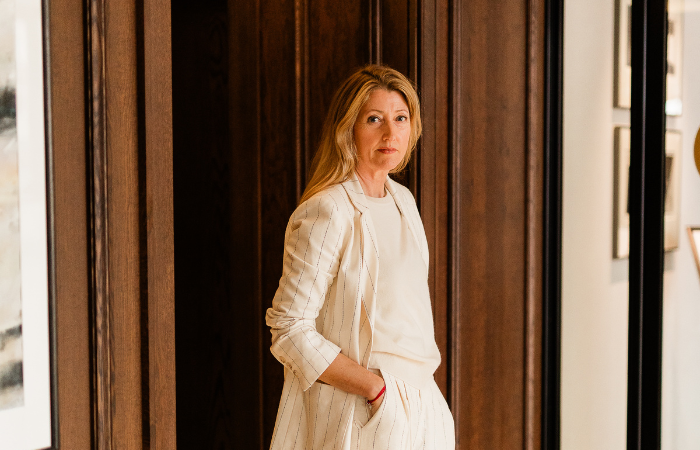
I’m Gail Race, founder and Creative Director of Gail Race Interior Design and Vitae Longevity Living. My work sits at the intersection of luxury design, wellness, and human performance. We specialise in high-end residential and wellness led hospitality projects.
Our approach is always holistic and grounded in place, vernacular and human experience. We are not only designing how a space looks, but how the environment supports the health, wellbeing, and longevity of those who live, move and interact within it. The result is environments that feel considered, intelligent, and deeply aligned to the people they are created for.
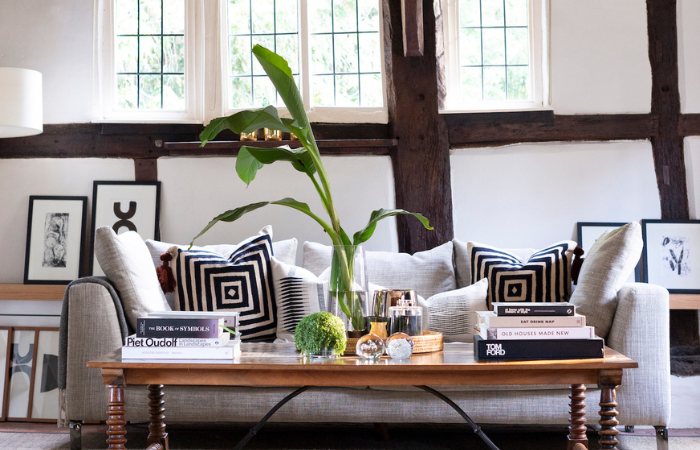
You’re currently working on a diverse mix of projects, including residential interiors for an international footballer and his family, properties in Hampstead and Wimbledon, and a new Japanese restaurant at Battersea Power Station. Could you share a little about the thinking behind these projects and what excites you most about the work you’re doing at the moment?
Whether we are designing a wellness retreat, a London apartment, or a hospitality concept, the process always begins with clarity. We take time to fully understand not just the brief, but the wider context — how the space will be used, its long-term purpose, and the emotional aspirations behind it.
Whatever the project, each one begins as a complex puzzle, to be unravelled, understood and converted into a tangible design. I love gathering information, uncovering patterns, and distilling what truly matters to the client. What excites me most is translating that depth of understanding into a clear, creative direction and then guiding clients through the journey of bringing it to life.
No two projects are the same, but the rigour of that process is constant.
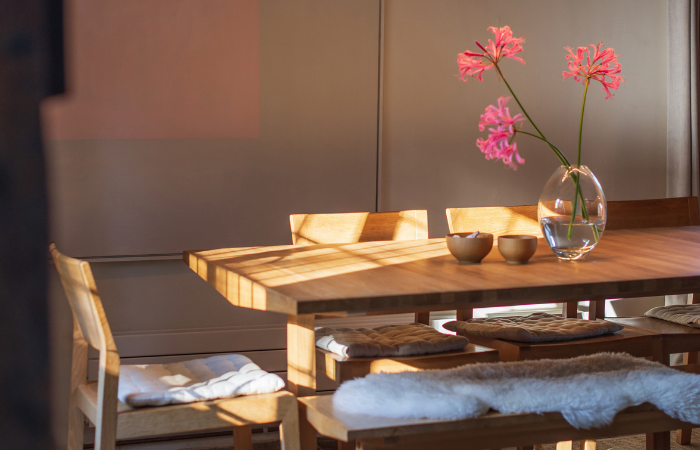
Commercial & Hospitality Design – Alongside your residential work, you’re also involved in hospitality and commercial environments. What draws you to commercial projects, and how do you approach designing commercial spaces where experience, atmosphere, and brand identity play such an important role?
My background in residential design has been an invaluable foundation for hospitality and commercial work. In private homes, you develop a high level of emotional intelligence — understanding personalities, dynamics, and often unspoken personal values and priorities. That same awareness translates directly into commercial projects.
While there may be founders and stakeholders rather than a family unit, the need to understand the decision-making structures and underlying motivations remains critical. Designing for hospitality is ultimately about creating a cohesive experience.
Brand identity becomes the equivalent of personal identity in a home — it must be clearly understood, carefully interpreted, and consistently expressed. It can be incredibly powerful yet often in commercial projects the small details are left to chance. Cleaning fluids left on counter tops, always on red power lights in the hotel bedroom, noise from AC units.
The devil truly is in the detail, and the detail is what builds either a brand that lifts you and pulls you in, or leaves you feeling unloved, never to return.
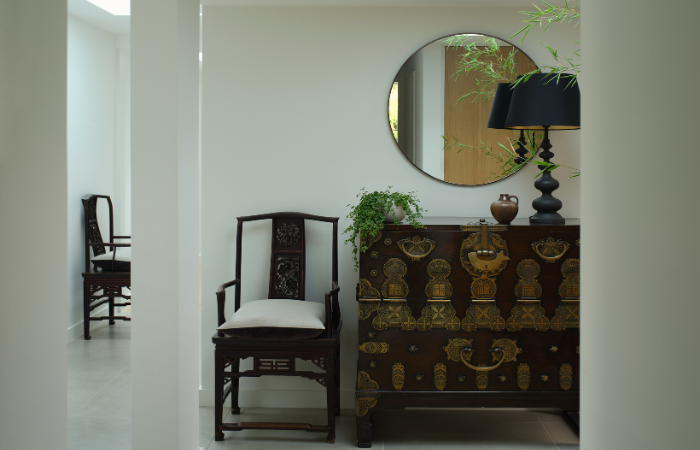
Origins of Wellness Thinking – A key thread running through your work is the belief that our environments directly affect how we feel, both psychologically and physiologically. When did this connection between space and wellbeing first begin to shape your approach to design?
I have always known that our environments directly affect how we feel. Personally I’m hugely aware of my surroundings and somewhat hyper sensitive to what feels right or off in a space. Early in my career, this was largely intuitive and driven by gut feel. Over time, that intuition was supported by a much deeper understanding. With my early career in graphic design I was interested in how colour, form, and texture influence emotion.
Whilst my children were young I became hyper focussed on nutrition and organic food production and more recently I worked with a furniture company sourcing sustainable, VOC free products. I became increasingly aware of materials, toxins, and environmental impact, and this led me to question everything from air quality, light, thermal comfort, and material choices.
Now, I see beauty and wellbeing as inseparable. A truly successful space must not only look exceptional, but actively support the health and wellbeing of those within it.
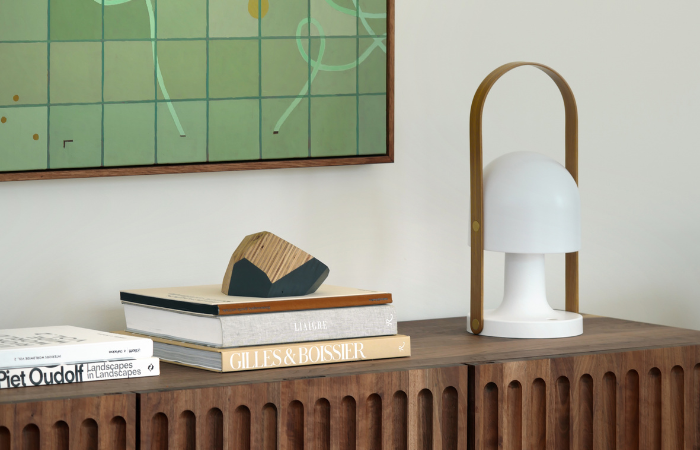
You recently became WELL AP certified as part of deepening your understanding of the relationship between design and wellness. How has this knowledge influenced the way you now approach interior architecture and the decisions you make within a project?
Achieving WELL AP certification was an important step in deepening my knowledge and understanding of the science and measurable indicators in the built environment. The certification introduces a clear framework to assess elements such as air, water, nourishment, light, movement, thermal comfort, sound, materials, mind and community in a structured and measurable way.
This has strengthened how we guide clients through decision-making, combining design intuition with evidence-based knowledge. Ultimately, it brings greater clarity and confidence to the process.
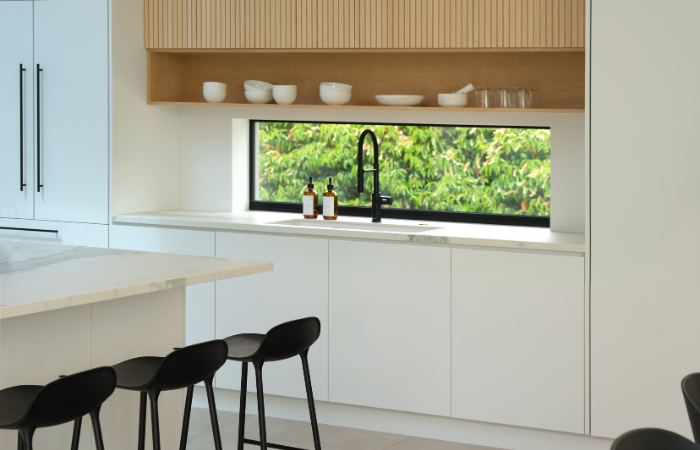
You often talk about your interest in what makes a space simply “feel right”. Could you expand on how elements such as light, acoustics, materiality and spatial flow come together to create environments that genuinely support how people live, rest and perform?
Every project is unique, yet there are underlying principles that consistently shape how a space feels. Neuroscience has pinpointed three qualities that define a space that feels safe and enticing; symmetry and order, intrigue, and a personal narrative.
As humans we are intrinsically drawn to symmetry and balance, while also needing moments of interest and a sense of story and belonging. When these elements align, a space becomes both comfortable and supportive. Light is fundamental in influencing mood and our circadian rhythm. It orchestrates virtually every biological system within the human body.
Cooler blue morning light signals not only that it’s time to wake up and start the day, but sends signals to regulate our hormone and metabolic functions, whilst warmer evening light tells the brain to prepare for rest. Acoustics have a direct impact on human physiology, influencing cortisol levels, mood, and cognitive performance.
Certain sound frequencies can enhance focus, while others contribute to fatigue and brain fog. Materiality and spatial flow are equally critical, shaping how the body moves through and responds to a space, supporting calm, ease, and long-term wellbeing. Every element within an environment, both visible and invisible, plays a role in how we feel, function, and perform.
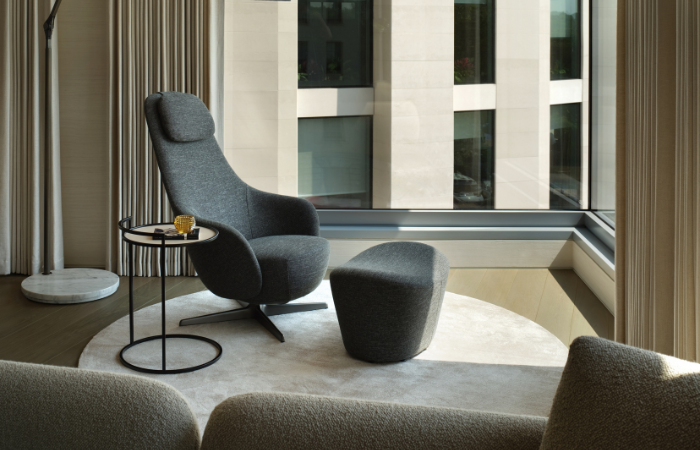
Your work also draws on neuroaesthetic principles, considering how our senses and emotional responses are shaped by design. How do these ideas translate into practical decisions when you’re developing a concept for a client?
Neuroaesthetics is a fascinating and fast growing area of research. How we as humans respond to the visual stimulus around us — colour, form, proportion, texture, art — sits between universal principles and deeply personal responses.
While people respond broadly to elements like shape and colour, individual experience such as culture and memory shape personal perception and ultimately how we each respond to the same environment. The real value lies in uncovering those nuances through observation and conversation.
Understanding where a client has felt their best, their favourite hotel or restaurant, how they love to dress — these are all clues that help contribute to the larger picture. By observing and listening carefully, we can translate those insights into environments that feel personal and instinctively right.
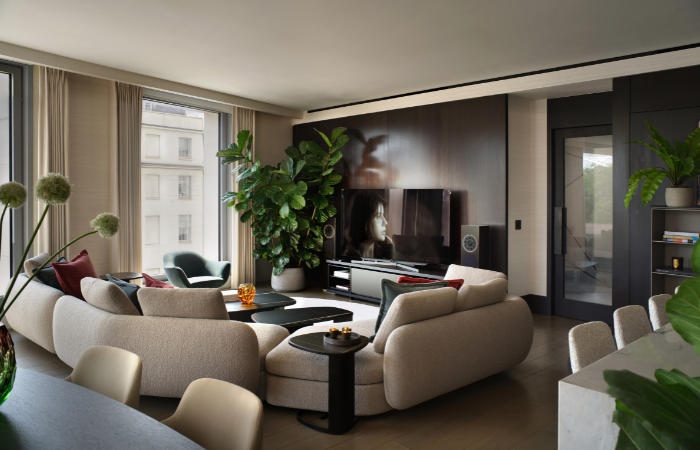
Wellness & Design Industry Shift – Alongside your design projects, you’re becoming increasingly involved in thought leadership, including speaking at the Surface Design Show and engaging with the Global Wellness Institute. What have these conversations revealed about the growing role of wellness within design and development?
We are still very early in this conversation. Residential interior design has traditionally focused purely on aesthetics, while wellness and longevity has focused on the mind and body.
Now these worlds are converging, creating real opportunities for both commercial and residential design. There are, as in all movements, early pioneers and adopters who are authentic in their vision and pursuit of creating environments that support human longevity through great design, environmental infrastructure and community.
However, there is a risk of superficial adoption known as ‘well-washing’. Wellness must be more than a label. It requires depth, expertise, and a genuine commitment to human health. I’m particularly interested in how the convergence of ancient wisdom and modern science, including AI, can be harnessed to create environments that support human health, performance, and longevity.
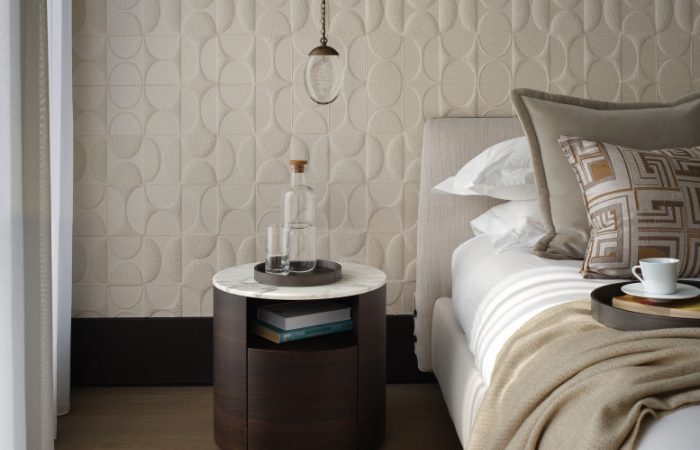
Looking ahead, you’ve mentioned a particular interest in expanding into the spa, retreat, and longevity hospitality sector, as well as taking on advisory roles within property development. What opportunities do you see emerging in these areas?
I think many businesses are starting to realise that wellness and longevity can’t simply sit as an add-on — whether that’s a spa facility or a line within the brand narrative. It has to be integrated into the core philosophy of the business. That requires a fundamental shift in thinking and, in many cases, a repositioning.
What also interests me is the connection between wellness environments and the home. Many people are now engaging with longevity practices through retreats, spas and specialist wellness centres. An opportunity lies in translating that experience into their everyday living environments — creating spaces that not only support those habits but gently encourage better choices over time.
There is clear growth in wellness-led real estate, driven in part by strong return on investment, but also by a more informed and health-conscious consumer. However, this is where I think we need to be careful. It’s not enough to introduce the language of wellness without substance behind it.
Businesses need to involve the right expertise and understand how every decision — from materials to spatial planning — impacts the people using those spaces. With the right information, property developers have the opportunity to build incredible, future forward homes that will really impact the lives of the people that live in them.
As awareness of health, longevity and human-centred design continues to grow, how would you like to see your work evolve in the coming years, and what kinds of projects or collaborations would you most love to be part of next?
Looking ahead, I’m focused on expanding into the hotel, spa, retreat, and longevity hospitality sector, both internationally and within the UK. Whether that is being involved at the earliest stages of a project, shaping the creative concept before it reaches design development, as well as working with established brands to refine and reposition their philosophy through a more wellness led lens.
What I bring is a combination of perspectives that are not often held together. My background in high-end residential design has given me a deep understanding of how people actually live — their behaviours, their emotional responses, and the often unspoken ways they interact with space.
Alongside that sits a strong design sensibility and a growing depth of knowledge around wellness, environmental quality, and human performance. Because creating spaces that genuinely support how people live, feel, and function requires more than beautiful design alone — it requires a level of insight that connects people, place, and performance in a meaningful way.
BIO
Gail Race is the Founder and Creative Director of Gail Race Interior Design, a UK-based studio specialising in luxury residential and hospitality interiors. Her work sits at the intersection of design, wellness, and human performance, with a focus on creating environments that not only look exceptional but actively support the health and longevity of those who inhabit them — a philosophy she defines as Luxury Design for Living Well™.
A WELL AP accredited professional, Gail combines intuitive design expertise with a deep understanding of environmental factors such as light, air quality, materiality, and spatial flow. Alongside her design studio, she is the founder of Vitae Longevity Living, an advisory business focused on integrating wellness and longevity principles into residential, hospitality, and development projects.
She is also an active contributor to industry conversations, engaging with organisations including the Global Wellness Institute, and is part of a growing movement redefining how the built environment supports long-term health and human potential.