


MoreySmith Defines “Workplace 3.0”: The Office Reimagined for the Age of AI
MoreySmith, the award-winning design and architecture studio, has published a new report setting out the kind of office its biggest clients are now asking for: a workplace designed for the age of artificial intelligence, with human connection at its centre.
Titled Workplace 3.0: Intentionality, Longevity and the Third Era of Workplace Design, the report’s central argument is that two forces have reset the purpose of the office. The pandemic severed the assumed link between employment and the building. Artificial intelligence is now dissolving the link between productivity and human input – automating routine cognitive work, streamlining how teams operate and opening new channels for ideation. As that happens, productivity becomes an insufficient reason for an office to exist.
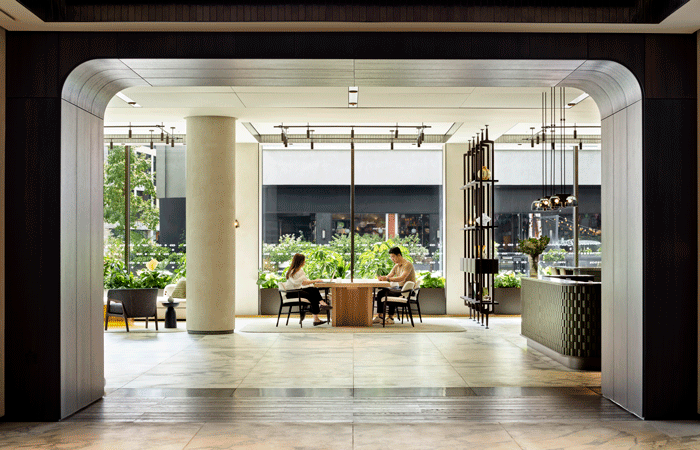
What remains irreducible, MoreySmith argues, is genuine human community: the proximity, mentorship and relationships that remote working cannot replicate. Judgement, taste and serendipity only emerge when people are physically and socially together. The office is not just where people feel connected, it is where original thinking happens. It is why a growing number of organisations are asking employees to spend more time together. This is why the office must now earn that presence through the experience it offers rather than simply expecting it.
The report frames this moment as the third era of workplace design. Workplace 1.0 was defined by efficiency: the cellular, corridor-based offices of the twentieth century, where space reflected hierarchy. Workplace 2.0 was a reaction – the open-plan, hot-desking, beanbag-and-slide aesthetic of the Silicon Valley campus, designed, in MoreySmith’s view, to be photographed rather than inhabited. Both, it argues, were built implicitly to be replaced when the next idea arrived.
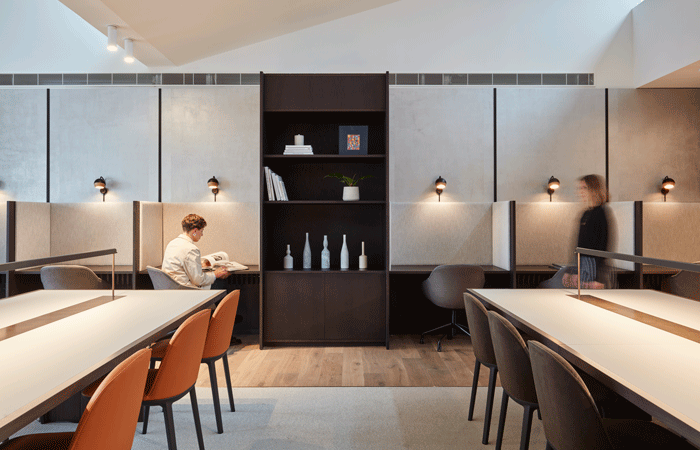
Workplace 3.0 is defined instead by intentionality. The most successful workplaces today feel less like corporate infrastructure and more like human environments, drawing on the design languages of hospitality and residential living: lobbies that encourage people to linger, thresholds that create a sense of arrival, biophilic planting and natural materials, rooftop terraces, and social spaces closer to a members’ club than a corporate common room. MoreySmith calls these “destination buildings” — places people actively choose, because they offer something no screen can.
Crucially, the report makes the case that intentional design also endures. Robust, timeless interiors can be refined every ten to fifteen years rather than wholly replaced, allowing a single building to accommodate successive eras of work – a more sustainable and more valuable proposition for owners and occupiers alike.
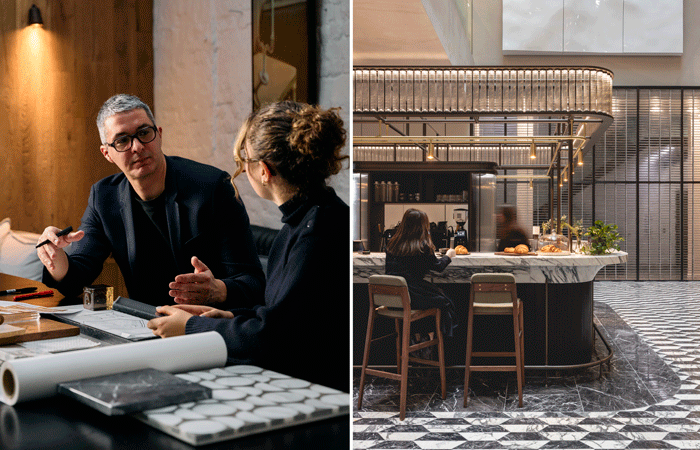
The commercial evidence is drawn from MoreySmith’s portfolio of investor clients. Following its redesign of Two Fitzroy Place in Fitzrovia, rents rose by approximately 50 percent with comparable uplifts recorded across projects for AshbyCapital, J.P. Morgan Asset Management and Lazari – from 45 Pall Mall and 20 Rathbone Place to 23 Savile Row and Maple House – each repositioned into a higher rental bracket while extending its commercial life rather than being replaced.
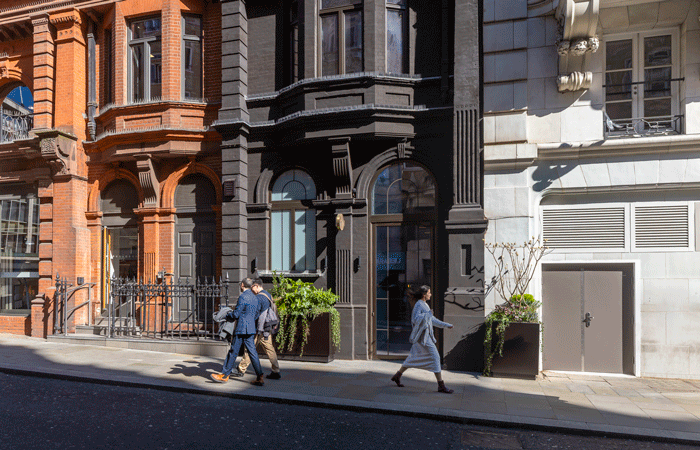
The argument is made most clearly at The Harewood in Mayfair – a building MoreySmith first redeveloped in 2011 and returned to fifteen years later, after J.P. Morgan Asset Management acquired it in 2024. Much of the original work was still standing firm; the new scheme is additive rather than wholesale, with a refined material palette, a reimagined entrance built on foundations laid more than a decade earlier. It reopened in spring 2026 as a 26,000 sq ft boutique office.
Linda Morey-Burrows, Founder and Principal Director of MoreySmith, said:
“In the age of AI, the office has to offer more than simply being a place people are expected to be. If technology can take on the routine, then the reason to gather must be rooted in something more meaningful: the passing on of knowledge, the rituals of culture and the particular alchemy that happens when people think alongside one another.
“For us, the task is to make spaces that hold that possibility. Places with atmosphere, intelligence and soul. Places that slow people down, invite conversation and remind them that their presence is not incidental, but part of something shared and considered.
“That same thinking is inseparable from longevity. The projects we value most are those we can return to years later and find they have not only endured, but continued to work beautifully. Truly considered design is not led by trends. It has structure, character and intent. It can be adapted, layered and refined over time, rather than stripped out and replaced. That is where design becomes both more sustainable and more valuable — for our clients, for the buildings themselves, and for the planet.”
Lucie Greene, Trends Forecaster and Cultural Strategist, said:
“The boundaries between work, leisure and community are dissolving, and the most forward-thinking spaces are already responding. The next generation of workplaces will feel less like offices and more like living environments – places that adapt around people’s rhythms and sustain a sense of community. In a world where individual productivity can happen anywhere, the office has to become something more: a space people genuinely choose, because it gives them something no screen ever can.”
MoreySmith argues that the term Workplace 3.0 is gaining traction across business media, HR consultancy and real estate investment, but has not yet been claimed by the design community until now.