



Hospitality Matters: What makes a space last? Learning from projects that endure
Hospitality Matters is an editorial series exploring thought-provoking and knowledge-based perspectives on hospitality and wider built environment. Through expert insight and experience-led commentary, the series sparks meaningful conversations and helps shape industry discourse.
Hospitlality Matters continues with a contribution from Toni Black, CEO of House of Black. Reflecting on the question of what makes a space feel right ten years after it opens, Toni explores why longevity is rarely about following trends and more often about understanding a place before attempting to change it.
Words by Toni Black, CEO, House of Black
The question I find myself returning to which has become a bit of an obsession, is simple but not straightforward: What makes a space feel right ten years after it opens?
Not “on trend.” Not “beautiful in the render.” Right. Resolved. Like it was inevitable that it should exist exactly as it is.
I’ve been thinking about this because we’re increasingly asked it by clients. Early conversations used to be about freshness: how do we feel current, how do we compete visually? Now there’s a different urgency. Operators want to invest in something that holds. They’re thinking about how materials will age, whether the decisions they make today will still feel intelligent in a decade. That shift in the conversation from “how do we look good now” to “how do we build something that lasts” is genuinely interesting.
The challenge is that designing for longevity isn’t a formula. It’s not about avoiding trends or committing to timelessness or any other neat binary. It’s more complicated than that.
What we’ve learned
The projects that seem to endure and I’m thinking of work across hospitality, the spaces we’ve built and the ones we study they all share something: they could only exist exactly where they are. They’re so particular to their place, their building, their story, that they can’t be transplanted. A 1970s brutalist concrete building in Manchester carries a completely different emotional register to a Georgian townhouse in Edinburgh. Both deserve to be understood on their own terms, not dressed up in borrowed aesthetic language.
This sounds obvious. But in practice, it means resisting the easy reference. It means spending time understanding the building its history, its proportions, its light, the way it makes you feel when you move through it before deciding what it needs. That takes time. It takes real thinking. It’s genuinely harder than pulling a mood board together.
Treehouse Manchester emerged from this kind of work. The building itself is a 1970s box, poured concrete, industrial. Rather than fight that, the design leaned into it, folklore, fairytales, woodland discovery creating this nostalgic, almost otherworldly contrast within a brutalist shell. The contradiction is precisely the point. It works because the our creative team understood why that building could hold that particular story.
The real constraint
Here’s what I want to be honest about: constraints are real. Budget pressure is real. Lead times are brutal. But the guests checking in don’t see any of that. They just feel whether a space is resolved or whether it isn’t. That gap between the resources available and the emotional authority of what you’re trying to create that’s where the actual work happens.
Most designers I know are working within those constraints and still trying to create something thoughtful. They’re not trying to produce something soulless. They’re navigating a complex set of decisions with incomplete information and limited budgets. The generosity should probably be extended in that direction.
But. When you see a space that does feel resolved where every material choice seems to matter, where the proportion and light and sequence all feel inevitable there’s something worth understanding about how that happened. It usually traces back to someone who understood their materials deeply. Who thought hard about what it feels like to move through a space rather than just photograph it. Who seemed almost indifferent to the prevailing conversation because they were too busy being rigorous.
That kind of rigour, that obsession with understanding before deciding that’s not arrogance. It’s the most generous thing you can do for a space and the people using it.
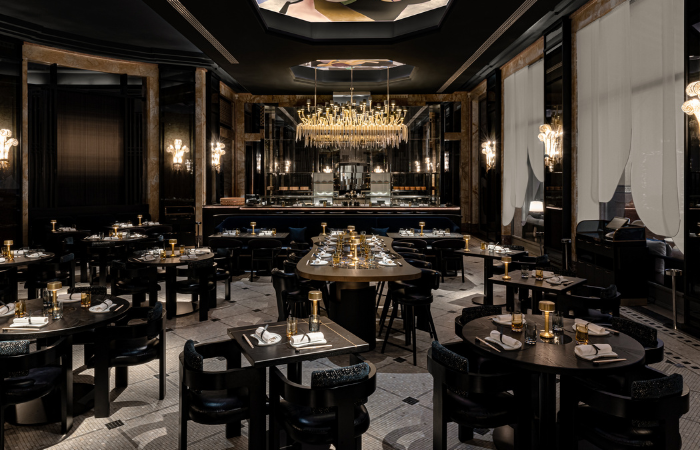
Akira Black Prince de Galle Hotel Paris
On trends and information
Trends carry information. They tell us what people are reaching for, what they’re trying to feel. That’s worth knowing. Ignoring them entirely would be its own kind of ignorance. But a space designed around a trend, rather than informed by what trends tell us about human desire that space has an expiry date built in. In hospitality, an expiry date is a genuine problem, not just aesthetically but operationally.
The question worth asking isn’t “what’s hot right now?” It’s “what’s true to this building, to this brief, to the people who will actually live in this space?” And then: “how do we design with enough rigour that the answer still makes sense in ten years?”
This is the conversation that’s changing in the industry, and it’s a better one to be in. It demands more. It forgives less. It produces work that clients actually want to keep.
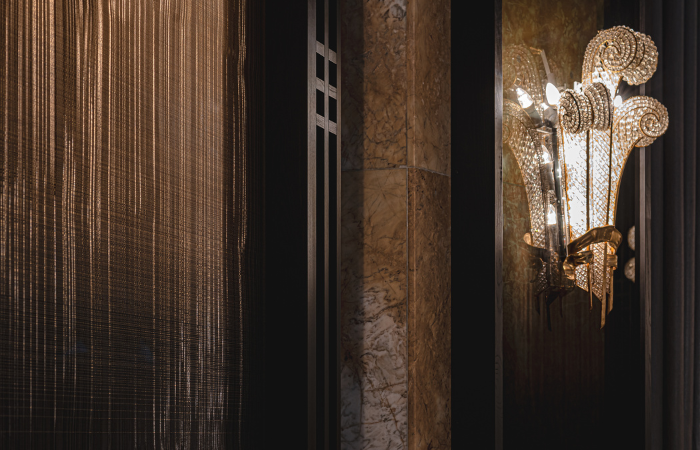
Akira Black Prince de Galle Hotel Paris
What longevity really requires
Legacy isn’t something you design for. It’s what happens when you’ve been honest enough, precise enough, and specific enough that a space earns its own authority. You don’t get there by looking backward at what worked before. And you certainly don’t get there by following everyone else’s lead.
You get there by showing up completely, almost stubbornly, present. By bringing real curiosity to understanding a place before you change it. By knowing your materials and understanding light and thinking hard about how a space will feel over time. By making choices you can defend not because they’re trendy or safe, but because you understand why they matter.
That commitment to thinking rigorously, to understanding before deciding is what creates work worth returning to. It’s also, I think, what makes the work more resilient to budget constraints and lead-time pressures. Because when you understand a space at that level, you can make smarter decisions about what matters and what doesn’t. You can find the elegance in the constraints rather than fighting them.
This is the kind of thinking House of Black tries to bring to every project. Not because we have all the answers, but because we believe the question – “what would make this space feel inevitable?” – is the right one to be asking.