





Where Ritual Meets Data: The Future of Human-Centred Design
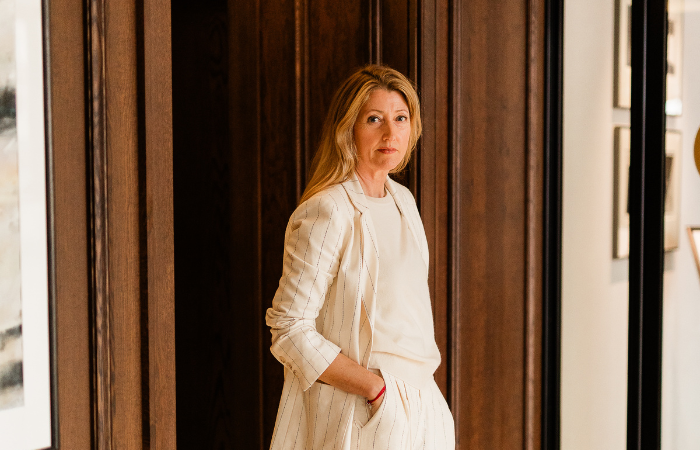
In this Design Insider guest article, Gail Race, luxury interior designer, wellness design consultant and founder of Vitae Longevity Living™, explores the evolving relationship between ancient wisdom, modern science and artificial intelligence.
Written by Gail in her own words, the article considers how practices once dismissed as intangible or esoteric are increasingly being reframed through evidence, diagnostics and data. From circadian lighting and air quality to sound, ritual, biomarkers and personalised environments, Gail reflects on a new era of human-centred design, where beauty, wellbeing and longevity are becoming inseparable.
Drawing on examples including TULAH in Kerala, she asks what the future of living well might look like when intuition, ritual and science are allowed to inform one another, and what this means for designers, architects and developers shaping the next generation of homes, hotels and hospitality spaces.
‘What was once dismissed as “woo-woo” is increasingly being reframed through science.
For a long time, there appeared to be a divide between ancient wisdom and modern science. On one side sat ritual, intuition, breath, heat, water, sound, seasonal rhythm and a deep belief that place itself could influence the body. On the other sat diagnostics, data, neuroscience, clinical evidence and, increasingly, artificial intelligence.
One felt human, but to some, slightly intangible. The other felt credible, but often remote from everyday life. What is fascinating now is that these two worlds are beginning to meet.
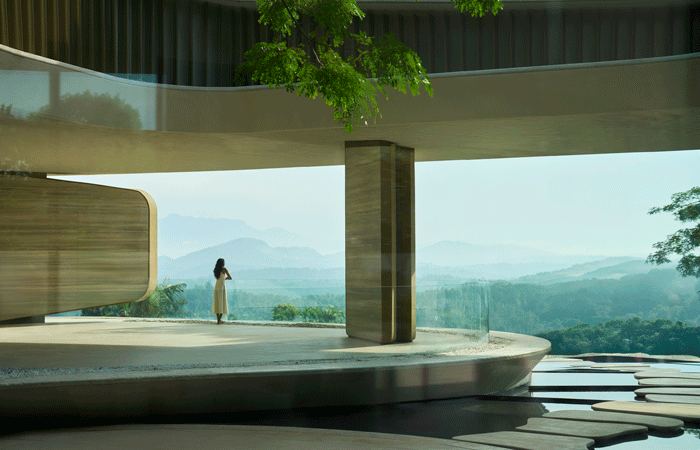
View of Western Ghats, TULAH. Photo – Hormis Antony Thakara
At the more esoteric end of the spectrum, practices such as dowsing, geopathic stress assessment, sacred geometry, Vastu Shastra, elemental design and sound healing have long suggested that orientation, landscape, resonance and atmosphere affect human wellbeing. For many, this language still raises an eyebrow or two. Yet beneath the symbolism sits a surprisingly contemporary question: does the environment we inhabit alter the state of the body?
Science is now beginning to answer parts of that question in a very different language. We can measure cortisol, heart-rate variability, melatonin suppression, CO₂, VOCs, particulate matter, acoustic stress, thermal comfort and cognitive performance. The vocabulary has changed, but the enquiry is remarkably similar: how does place affect us?
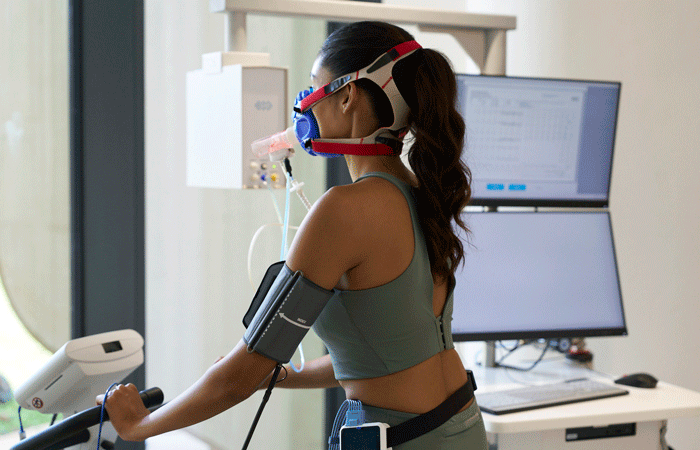
O2Max and CPET Testing, TULAH. Photo – Hormis Antony Thakara
This has profound implications for design. A home, hotel or wellness destination is not simply a visual composition. It is a physiological environment. What we see matters, but so do the things we do not immediately see: the quality of the air, the rhythm of the light, the toxicity of materials, the acoustic softness, the temperature of a room, the movement between stimulation and retreat.
Light, for example, is no longer simply decorative or atmospheric. It is one of the primary environmental signals through which the body regulates circadian rhythm, sleep and mood. Air quality is not an invisible technicality; ventilation, CO₂ and VOC exposure have all been linked to measurable changes in cognitive performance. Noise is not merely an irritation, but a biological stressor. Nature is not just a view, but part of a growing body of evidence around nervous-system regulation and restoration.
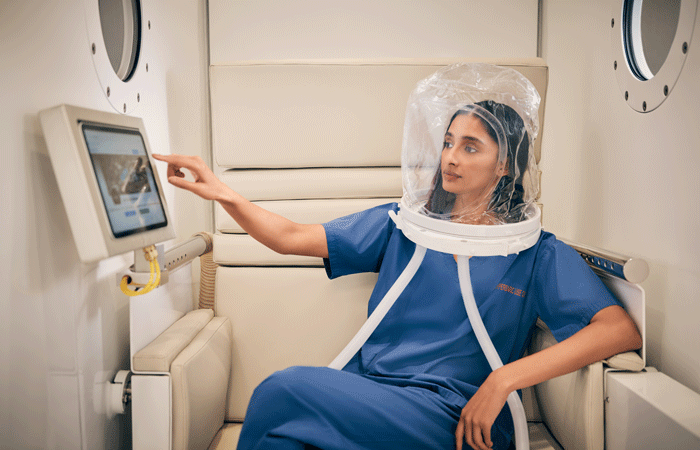
HBOT, TULAH. Photo – Gokull Rao Kadam
This is where ancient wisdom and AI become unexpectedly interesting companions. Ancient traditions often began with observation: how the body responds to rhythm, nature, heat, cold, stillness, breath, sound and ritual. Today, technology allows us to measure some of those responses. Sleep can be tracked, biomarkers assessed, microbiomes analysed, air quality monitored and environments increasingly personalised.
The danger, of course, is that wellbeing becomes another form of over-optimisation: a life reduced to scores, dashboards and relentless self-improvement. But used intelligently, science and technology can help validate what many traditional practices understood intuitively — that the body is constantly in conversation with its surroundings.
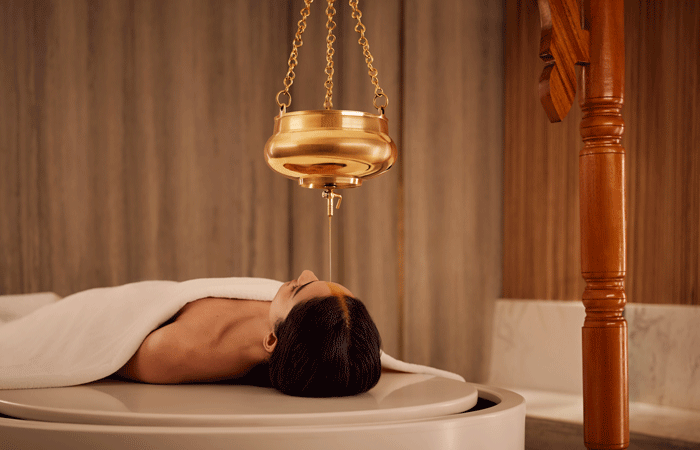
Shirodhara treatment on Vichy Shower Bed, TULAH. Photo – Hormis Antony Thakara
TULAH, in Kerala, offers a compelling example of this emerging synthesis. Set in a region deeply rooted in Ayurveda and healing traditions, it describes itself as blending ancient healing practices with innovative clinical therapies. Its architecture is designed to live in harmony with nature, flowing through soft curves, light and landscape, while the wider sanctuary incorporates solar energy, aquifer recharge pits, responsible water systems and energy-efficient radiant cooling.
What makes TULAH particularly interesting is the way it refuses to separate the poetic from the clinical. Alongside gardens, therapeutic cuisine, yoga, cultural traditions and the Sonorium — described as the world’s largest sound healing dome, where resonant frequencies from gongs and bowls invite stillness and restoration — there is also a clinical wing with operating theatre, ICU, medical suites and 24-hour monitoring. Diagnostics include genome testing, microbiome testing, blood markers, VO2 max, DEXA scan, MRI, ECG, sleep studies and more.
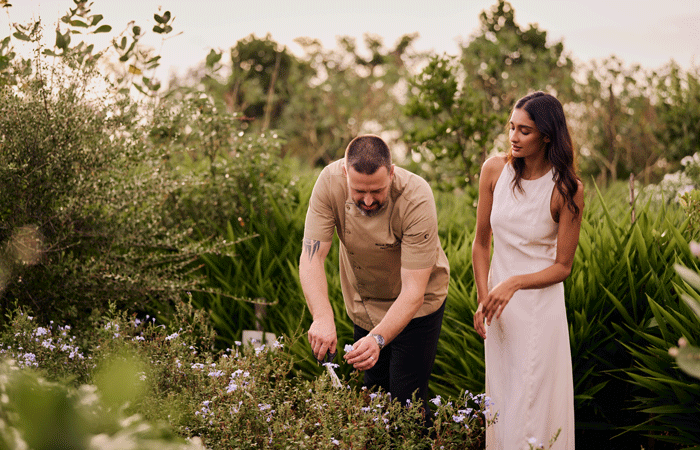
Healing Gardens, TULAH. Photo – Gokull Rao Kadam
This is not wellness as a soft aesthetic. Nor is it medicine stripped of atmosphere and human meaning. It is something more integrated: Ayurveda and omics, sound and imaging, ritual and biomarker data, nature and clinical infrastructure.
For designers, architects and developers, this shift matters. The next evolution of luxury will not be defined by appearance alone. It will be defined by how intelligently a space supports the person living within it.
Not every ancient claim will survive scientific scrutiny. Not every data point will capture the full complexity of human experience. But between the two sits a more intelligent possibility: environments designed not only to look beautiful, but to support the nervous system, endocrine balance, cognitive clarity, sleep, recovery and long-term health.
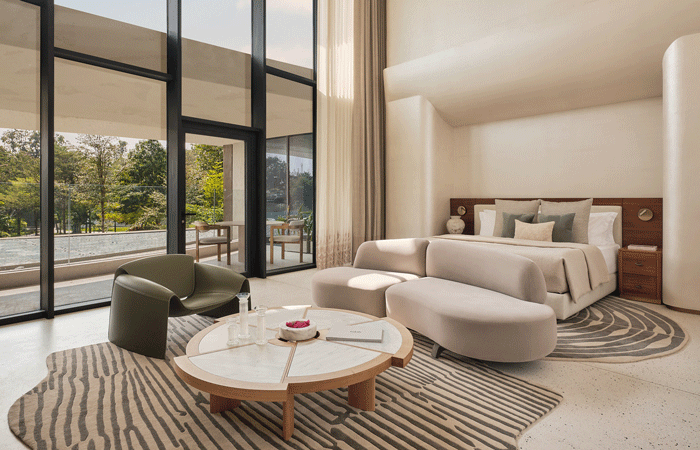
Presidential Suite, TULAH. Photo – Gokull Rao Kadam
Ancient wisdom gave us the rituals. Science is giving us the evidence. AI may give us the ability to personalise environments in ways we are only beginning to imagine. But the real future of living well will sit somewhere between them: not in extremes, but in spaces that feel beautiful, intelligent and deeply human.
We are moving from visual luxury to biological luxury, from spaces designed simply to impress, to environments designed to support how we sleep, think, recover and live.’
For consultancy and speaking enquiries, email vitae@gailrace.com.