




Exclusive Q&A: Helen Lloyd on the Design Thinking Behind Quiet Statement
In an exclusive interview with Design Insider, Milliken designer Helen Lloyd shares the thinking behind Quiet Statement, discussing the influence of Marrakesh, the value of restraint, and how the collection balances creative inspiration with commercial specification.
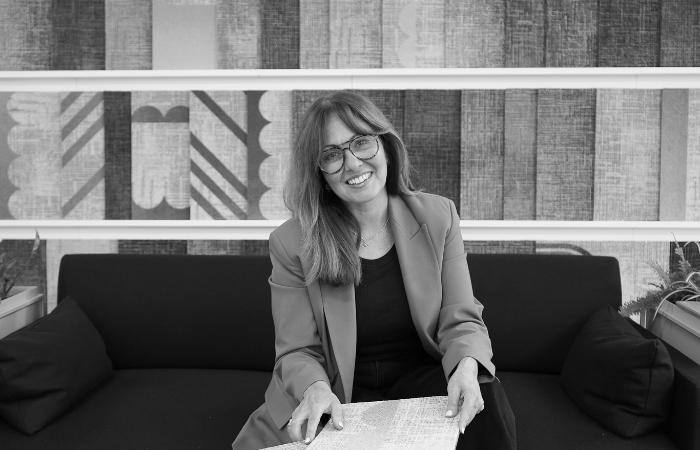
Helen Lloyd, Milliken’s in-house Designer
1. Quiet Statement is inspired by your travels through Marrakesh, but this doesn’t feel like a literal interpretation of the city. Can you tell us about the moment or feeling that stayed with you after your visit, and how that evolved into the starting point for the collection?
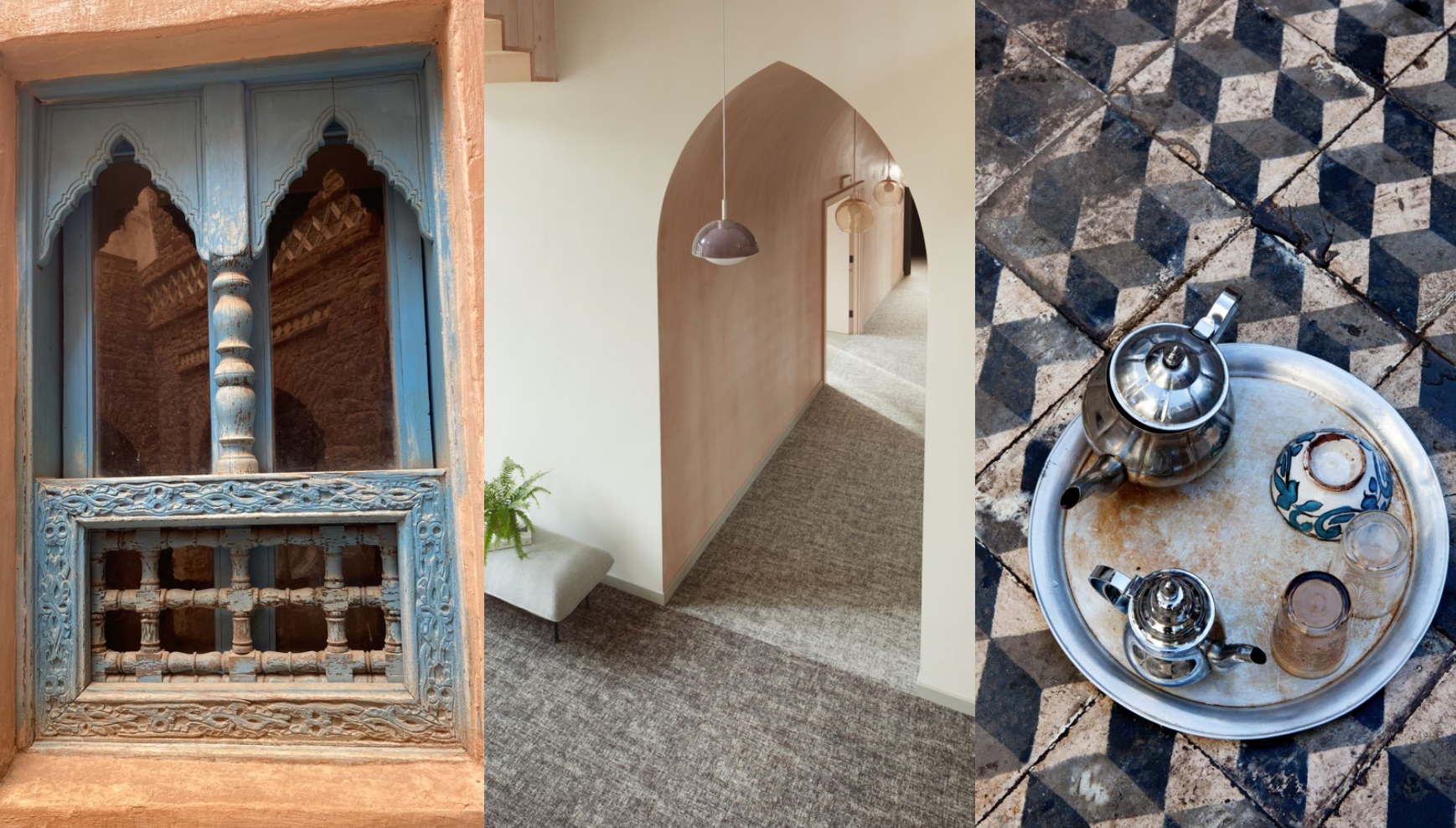
My first visit to Marrakesh was a complete feast for the senses and a place that left a lasting impression on me. Everywhere I looked I found inspiration, from the contrast between old and new architecture to the incredible local craftmanship, vibrant colours, delicious food, culture, people and the beautiful chaos that makes the city feel so alive.
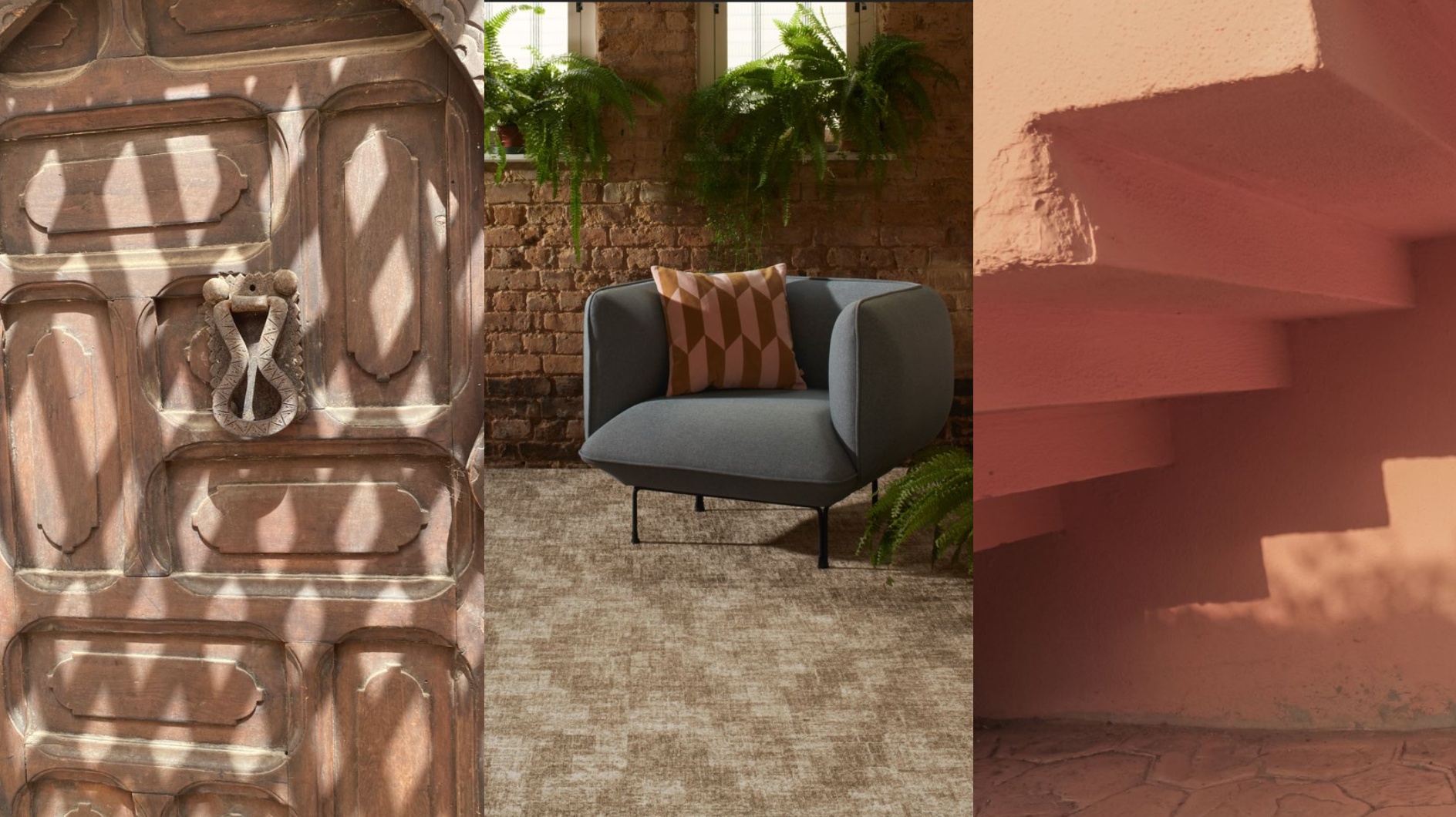
When developing Quiet Statement, I wanted to translate those experiences into a collection that felt authentic to my own journey. I was particularly drawn to the city’s layers of history, its attention to detail, and the sense of discovery around every corner. Through texture, pattern and materiality I sought to capture the feeling Marrakesh gave me rather than recreate it literally. The result is a personal interpretation of the city, one that reflects its character, craftmanship and energy through a contemporary design lens.

Milliken is a leading supplier of floor coverings, with a rich history of delivering dynamic carpet and luxury vinyl tile collections from its award-winning design studios and manufacturing facilities in Wigan, UK.

2. The collection is called Quiet Statement, which feels almost contradictory. What does that phrase mean to you as a designer, and why do you think subtle design can often have the greatest impact within commercial interiors?
For me, Quiet Statement is about recognising that impactful design doesn’t always have to be loud. Both bold and understated approaches have their place, depending on the needs of the space and the experience you’re trying to create. On this occasion I was drawn to a quieter expression, one that creates interest through texture, movement, tone and subtle detail rather than strong colour or dramatic pattern.
With this collection, I wanted to create a sense of richness and calm sophistication that reveals itself across a space. In commercial interiors, I often find that the most effective floorcoverings are those that provide a considered foundation for the space, supporting and elevating the wider design scheme. Sometimes the most powerful statement is the one that doesn’t demand attention but instead enhances the overall environment in a thoughtful and considered way.
There’s also a wellbeing aspect to quieter design. Spaces that rely on balanced tones, texture and subtle variation can feel more comfortable and less visually demanding, helping to create environments where people can focus, collaborate and feel at ease. As designers increasingly consider wellbeing outcomes and standards such as WELL, it’s worth recognising that calm, considered interiors can contribute just as much to the experience of a space as more overt design features.
3. Many flooring collections begin with colour or pattern. Did this collection begin in the same way, or was it driven by something less tangible, such as atmosphere or texture?
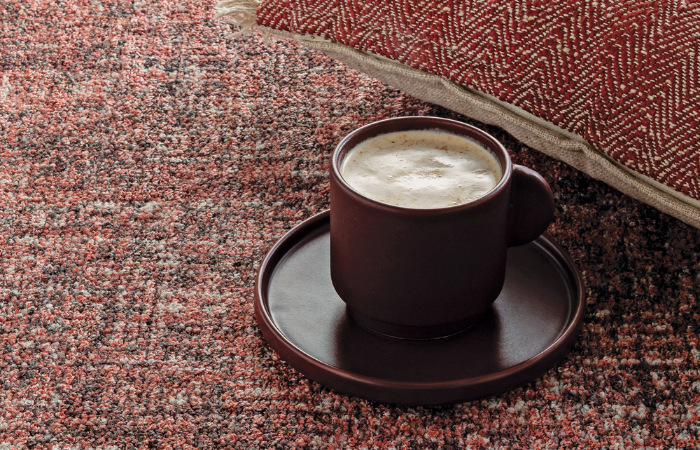
For Quiet Statement, texture was a strong starting point. The collection was developed alongside a new, highly textured base and I felt it was the perfect opportunity to showcase its unique character and bring texture to the forefront of the design story.
My experience of Marrakesh also influenced this thinking. What stayed with me wasn’t simply the colour and pattern but the layers within the city itself, the layers of history, craftmanship, architecture and stories that reveal themselves over time. I wanted to capture the same sense of richness, movement and variation across the floor.

The textured base provides a tactile foundation for the designs while the colour was key to shaping the collections understated appeal. The tone-on-tone colour parings within Medina, Arabesque and Kasbah soften the shapes, using light and dark shades to create a quieter expression of pattern. Developed to work alongside Maroc, each design shares a connected palette while bringing its own subtle texture and character.
For me, that’s where the collection really comes to life. Built on layers of texture, tone and detail, it reflects the character of the city that inspired it, offering something new to appreciate each time you engage with it.
I’m fortunate to have access to carpet patterning technology at Milliken that is quite unique within the industry. It gives me the freedom to explore fine levels of texture, detail and tonal variation, allowing the original design intent to be realised in a way that feels authentic and true to the concept.
4. Looking across Arabesque, Kasbah, Maroc and Medina, each design tells a slightly different story. Was there one pattern that proved particularly challenging or rewarding to develop, and why?
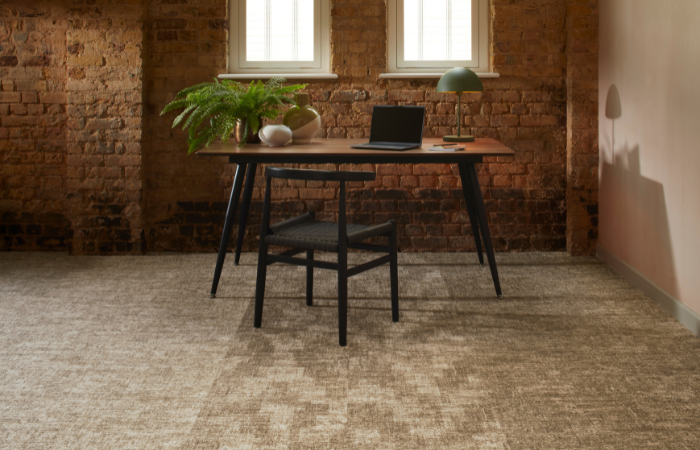
The whole collection was developed to create a richly textured floor plane and it was an exciting opportunity to work with a brand-new textured base which was very rewarding. By pairing this new organic construction with a layered pattern such as Maroc, I was able to build texture upon texture, creating a design with real depth, movement and tactile richness. I believe Maroc reflects the craftmanship I experienced throughout Marrakesh, where every surface seems to tell a story through layers of material, texture and detail. The result is understated, but the more you look at it, the more it offers.
Kasbah, Medina and Arabesque take a slightly different approach, offering an opportunity to explore pattern and texture in a more expressive way.

All three multi-tile designs really come to life across a larger area, where their patterns can evolve and unfold naturally. One of the things I love about them is how the multi-tile patterns evolve across the space, that they don’t reveal everything all at once. As you move through the space, different elements emerge, creating a sense of discovery and intrigue. That feeling comes directly from my experience of Marrakesh. It’s a city full of character, atmosphere and unexpected moments. Wandering through the streets of the medina there’s a constant sense of curiosity; you never quite know what you’ll find around the next corner. I wanted these designs to capture that experience, allowing the story to unfold gradually through texture, tone and pattern.
5. Your work often sits beneath everything else within an interior, yet flooring has an enormous influence on how a space feels. How do you approach designing products that shape an environment without demanding attention?
When developing a new collection I don’t think about the floor in isolation. I imagine how the designs will sit alongside furniture, finishes, lighting and architecture, and how it can help bring those elements together. The flooring doesn’t always have to demand attention, it can also quietly enhance a space, setting the tone and creating atmosphere. Ultimately, my goal is always to create designs that are versatile, inspiring and easy to work with, giving customers the confidence and creative freedom to tell their own story through the spaces they create.
I believe designing commercial carpet solutions is about creating possibilities rather than prescribing a single outcome. One of the things I enjoy most is developing products that give designers the freedom to make it their own. Every space is different and I love seeing how customers use the same collection in completely different ways to reflect their brand, culture and vision.
That’s the beauty of working with carpet tiles, it offers incredible creative flexibility across a floor. You can create moments of statement and energy in social or collaborative zones, then transition into softer, calmer areas designed for focus and concentration. I find it really rewarding to design products that can support both, helping to shape different experiences whilst still feeling connected and cohesive
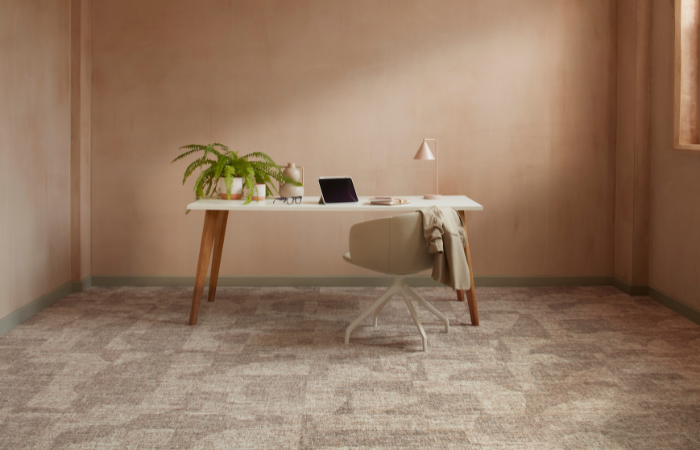
6. Throughout the collection there is a strong sense of restraint. In an industry that often celebrates bold statements and visual impact, do you think subtlety has become something of an overlooked design skill?
I do think subtlety can be overlooked. In a world where we’re constantly surrounded by things competing for our attention, there’s often an assumption that impact must come from being louder or more obvious. To me, subtlety isn’t about holding back, it’s about being intentional, giving people more to discover the longer they engage with each design.
I also don’t see Quiet Statement as the end of the design journey. Through our custom design service, designers have the opportunity to reinterpret, recolour and adapt the collection to create something that feels entirely their own. The designs provide a foundation, but there is plenty of scope for individual expression, whether through bespoke colour palettes, unique layouts or tailored pattern variations.
For me, that flexibility is part of what makes the collection so interesting. Quiet Statement is about creating a design language rather than a fixed outcome, allowing each designer to shape their own interpretation of what a statement can be, whether that’s something understated and calming or a more distinctive expression of place and identity.
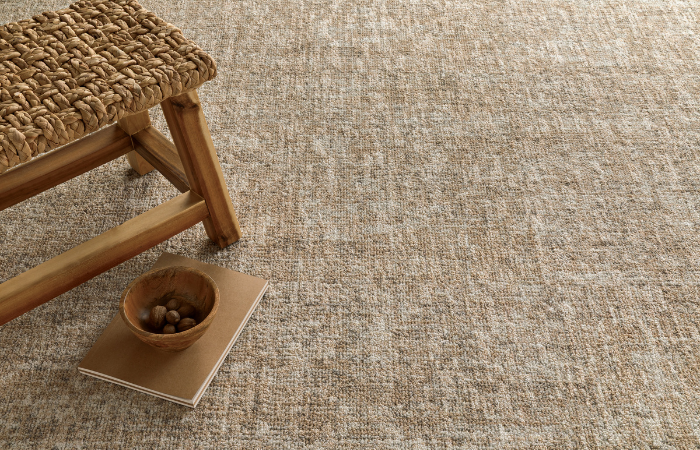
7. As an in-house designer at Milliken, how do you balance personal creative inspiration with designing products that architects and designers can confidently specify across many different types of commercial environments?
As an in-house designer at Milliken, balancing creative inspiration with commercial awareness is something I’m constantly thinking about. I’m always collecting ideas from the world around me, whether that’s through travel, art, materials, nature or simply details I notice in everyday life. Those observations become the starting point for a collection. Inspiration also comes from collaboration. Conversations with colleagues, architects, designers and customers across different sectors all bring new perspectives and help shape an idea in ways I might not have considered on my own.
The process is then about taking the initial creative spark and developing it through a broader commercial lens, sometimes that means simplifying an idea, other times it means looking at it from a completely different perspective. The goal is always the same; to create products with a strong design story and integrity, while giving architects and designers the confidence and flexibility to use them in a variety of spaces.
For me, that’s where the most successful commercial design happens, when creativity and practicality come together in a way that feels both inspiring and usable

8. When you look back at Quiet Statement now that it’s complete, what do you hope designers and specifiers notice first and, perhaps more importantly, what do you hope they continue discovering the longer they live with the collection?
When I look back at Quiet Statement, I hope designers and specifiers first notice the sense of texture, richness and sophistication within the collection. It’s intentionally understated, but I want customers to see that it still has character and personality, proving that a statement doesn’t always have to be bold or obvious.
More importantly, I hope the collection continues to reveal new possibilities the longer people work with it. I see it as a creative toolbox rather than a fixed design solution. The different patterns and colourways have been designed to work together, giving designers the freedom to mix, layer and create something that feels unique to their project.
For me, the most rewarding outcome would be seeing customers use the collection in ways I never imagined—combining products, introducing custom elements, and telling their own story through the floor space. While the collection was inspired by my experiences of Marrakech, I don’t want that to be the only story it tells. I hope it becomes a starting point for others to bring their own creativity, personality and vision into the spaces they create.
Ultimately, if people continue discovering new combinations, new details and new ways to use the collection over time, then I think Quiet Statement will have achieved exactly what it was designed to do.
Thank you so much to Helen for her time, discover more about the new collection from Milliken here.
Find Milliken on Supplier Finder
Supplier Finder is the UK’s only search platform for accredited suppliers of commercial interior furnishings.
At Supplier Finder, our mission is simple: to help you find the perfect commercial furnishing suppliers for your interior schemes and projects. We understand the importance of having confidence in the suppliers you specify and the products that bring your designs to life. That’s why each supplier featured on our platform is accredited through Commercial Interiors UK’s rigorous membership application process. This ensures that you engage with only the best in the industry!